



How to Hire Overnight Stockers: Proven Strategies for Small Business Success
Discover essential steps and best practices to hire overnight stockers efficiently and build a reliable team for your small business’s late-night operations.

How to Hire Overnight Stockers: The Practical Guide for Small Business Owners
Let’s be real—finding reliable folks to work the graveyard shift isn’t exactly a walk in the park. If you’re a franchisee, retailer, or run a busy restaurant, you already know that to hire overnight stockers who actually show up and do the job well can feel like searching for a needle in a haystack. But with the right approach, you can build a team that keeps your shelves stocked and your business humming, even while most of the world sleeps.
Why Overnight Stockers Matter (And Why It’s So Hard to Find Them)
Overnight stockers are the unsung heroes of retail and restaurant operations. They ensure that when customers walk in at sunrise, your shelves are full and your space looks sharp. But let’s face it, the hours are tough, the work is physical, and turnover can be sky-high. According to Michelin Guide, high turnover is a persistent challenge, especially for roles that require late-night or early-morning shifts.
So, why is it so tough to find overnight stockers? Well, most people just don’t want to work nights. The hours can disrupt sleep, social life, and even health. But here’s the thing: for the right person, overnight work is a golden opportunity—less customer interaction, more autonomy, and sometimes even a pay bump.
Common Pitfalls When Trying to Hire Night Shift Stockers
- Posting generic job ads that don’t highlight the unique perks of the shift
- Overlooking the importance of clear job descriptions and handbooks
- Neglecting to screen for reliability and self-motivation
- Failing to offer incentives or flexibility that appeal to night owls
If you ask me, the secret sauce is understanding what makes overnight stockroom staff tick and tailoring your approach to attract them.
Building a Smart Recruitment Strategy for Overnight Stockroom Staff
Write Job Ads That Speak to Night Owls
Don’t just copy-paste your daytime job ad. Instead, get creative with your postings—call out the benefits of night shifts, like higher pay, quieter work environments, or flexible scheduling. Highlight any perks that matter, like instant pay access or meal discounts.
For inspiration, check out these creative recruitment ads that actually make people want to apply. And remember, clarity is key—spell out the hours, physical demands, and any must-have skills.
Screen for the Right Traits
Reliability, self-motivation, and attention to detail are non-negotiable for overnight roles. Use pre-employment assessments to weed out folks who aren’t up for the challenge. And don’t underestimate the power of a good reference check—sometimes, a quick call can save you a world of headaches.
Want to make this process easier? Platforms like Workstream automate screening, scheduling, and even reminders, so you can focus on connecting with the best candidates instead of chasing paperwork.
Tap Into the Right Talent Pools
- Post on job boards that attract hourly workers—Indeed, Craigslist, and even Facebook groups are goldmines for night shift talent.
- Ask your current team for referrals. Sometimes, your best overnight stockers know other folks looking for similar work.
- Partner with local community organizations or colleges—many students or second-job seekers prefer overnight shifts for flexibility.
Onboarding and Retaining Your Night Shift Team
Streamline Onboarding for Success
Once you hire overnight stockers, you want them to hit the ground running. A clunky onboarding process can scare off even the most eager new hires. Consider using digital onboarding templates to make paperwork, training, and compliance a breeze.
And don’t forget about compliance—keeping accurate records is a must. The U.S. Department of Labor spells out exactly what you need to track for each worker. Automated HR platforms like Workstream help you stay organized, avoid costly mistakes, and keep everything in one place.
Keep Them Engaged (So They Don’t Bolt)
Here’s the kicker: retention is just as important as recruitment. High turnover eats into your profits and drains your team’s morale. Studies from Notch show that losing a single front-line employee can cost thousands—ouch.
So, how do you keep your overnight stockroom staff happy? A few ideas:
- Offer meaningful perks—health benefits, instant pay, or even just free snacks can make a difference (see how benefits boost retention).
- Recognize hard work—sometimes a simple thank you or a shout-out goes a long way. Check out employee recognition strategies that actually work.
- Provide flexible scheduling—tools like Workstream’s scheduling features let employees swap shifts or request time off via text, reducing no-shows and burnout.
- Invest in training—well-trained staff stick around longer. Here are some effective training techniques to boost confidence and performance.
Honestly, sometimes it’s the little things—like a flexible schedule or a manager who listens—that keep people coming back night after night.
Compliance, Legal Details, and Practical Tips
Don’t Get Tripped Up by Labor Laws
Night shifts come with their own set of legal quirks. Make sure you’re up to speed on overtime rules, break requirements, and recordkeeping. The Department of Labor has the nitty-gritty details. And if you’re ever unsure, consult a local labor attorney or HR pro. It’s not worth risking a lawsuit over a missed meal break.
For businesses juggling lots of hourly staff, using a platform like Workstream can save you serious money—think $25K a year on compliance headaches alone.
Seasonal Trends and Current Realities
It’s no secret that demand for overnight stockers spikes during the holidays or back-to-school season. Plan ahead—start recruiting early, and consider offering seasonal bonuses or extra perks. According to Modern Restaurant Management, being proactive with your hiring and retention strategy pays off big time when things get busy.
Practical Tips for Success
- Automate what you can—scheduling, reminders, and payroll can all be handled digitally now.
- Communicate often—night shift workers can feel isolated. Use team communication tools to keep everyone in the loop.
- Check in regularly—ask for feedback, listen, and adjust as needed. Engagement is a two-way street.
Conclusion: The Right Tools Make All the Difference
At the end of the day, to hire overnight stockers successfully, you need a blend of smart recruiting, solid onboarding, and genuine care for your team. The right technology—like Workstream’s all-in-one HR and payroll platform—can cut your turnover in half, slash your hiring time, and save you thousands on compliance and scheduling headaches. But more than that, it gives you back the time to focus on what matters: building a team that’s as invested in your business as you are.
Ready to make your next overnight hire your best one yet? Start with a clear plan, lean on proven tools, and never underestimate the power of a well-timed “thank you.” Your shelves—and your bottom line—will thank you come sunrise.
Further Reading from Workstream
- Discover creative tips for job postings that attract quality candidates.
- Learn how technology gives hourly employees more control over their schedules.
- Explore hiring automation tools to streamline your process.
- See how onboarding templates can help you retain new hires.
- Find out how to call out benefits in your job descriptions to stand out in a crowded market.
.svg)


All your important HR tasks under one roof
Today’s business owners and HR teams are overwhelmed with administrative tasks: manual processes and exports, duplicative data entry, and siloed information. Workstream centralizes and simplifies people tasks so you can move fast, reduce labor costs, and simplify operations—all in one place.
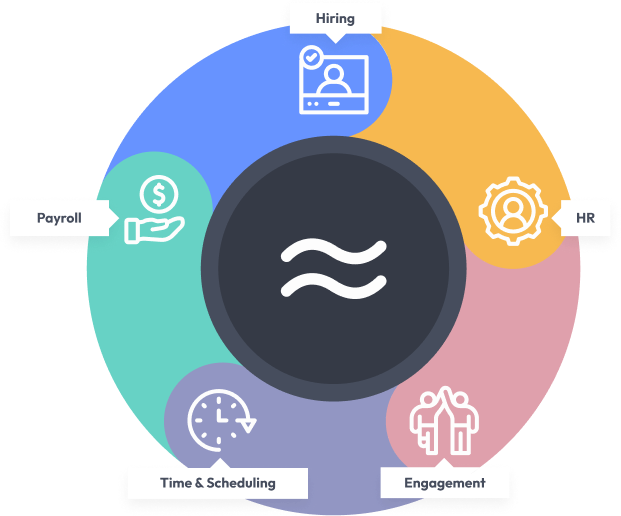

Hiring
Hire better quality workers, faster

HR
Streamline people processes and ensure employee records are always accurate

Engagement
Reduce turnover and increase worker engagement

Time & Scheduling
Manage schedules and hours worked to optimize your labor costs

Payroll
Pay your team quickly, easily, and accurately
resources
Become a hiring and onboarding expert.



Be smart with your hourly workforce
