



How to Hire Janitors: Step-by-Step Guide to Find and Keep Top Cleaning Talent for Your Business
Discover expert tips to hire janitors efficiently, streamline your recruitment process, and build a reliable cleaning team for your small business.

How to Hire Janitors: A Practical Guide for Small Business Owners
Let’s be honest—finding and keeping great janitorial staff can feel like chasing a moving target. Whether you run a bustling restaurant, a busy retail store, or a growing franchise, the need to hire janitors who are reliable, detail-oriented, and trustworthy is always front and center. But how do you make sure you’re not just filling a spot, but actually building a team that keeps your business sparkling and your customers happy?
Why the Right Janitorial Staff Matters More Than You Think
First off, janitors and commercial cleaners are the unsung heroes of any operation. They’re the folks who keep things running smoothly behind the scenes, ensuring safety, compliance, and a positive first impression for every customer who walks through your door. And yet, turnover rates for these roles are notoriously high—sometimes even higher than in the restaurant industry, according to industry reports.
Why does this matter? High turnover doesn’t just mean more time spent on hiring and training; it also hits your bottom line hard. The cost of replacing a single front-line worker can be surprisingly steep, especially when you factor in lost productivity and the impact on team morale. So, if you ask me, investing a little extra time up front to hire cleaning crew members who are a good fit is worth its weight in gold.
What Makes a Great Janitor?
- Reliability: You need people who show up on time, every time.
- Attention to Detail: The difference between “clean” and “spotless” is all in the details.
- Trustworthiness: Janitors often work when no one else is around, so integrity is non-negotiable.
- Adaptability: Every day brings a new mess—flexibility is key.
For more on what to look for in committed employees, check out these five traits that make a real difference.
Building a Strong Hiring Process for Janitorial Roles
Writing a Clear and Compelling Job Description
Start with a job description that’s honest, specific, and highlights what sets your business apart. Don’t just list duties—talk about your company culture, growth opportunities, and any unique perks. For inspiration, these tips for employee handbooks can help you craft language that resonates with today’s workforce.
And don’t forget to call out benefits—these are a huge driver for recruitment and retention, as this DoorDash report makes clear. Even small perks can tip the scales for a candidate deciding between you and the competition.
Where to Find the Best Candidates
- Online Job Boards: Platforms like Indeed and Craigslist are tried-and-true. For tips on posting, check out these Craigslist job posting do’s and don’ts.
- Social Media: Don’t underestimate the power of Facebook groups or even Instagram for reaching local talent. Here’s how to use Instagram to hire hourly workers.
- Employee Referrals: Your current team knows what it takes. Encourage them to refer friends or family—they might just bring in your next star cleaner.
And if you’re looking for a streamlined way to manage applications and automate screening, Workstream’s hiring automation tools are designed specifically for hourly roles like janitorial staff. They can cut your time-to-hire in half, which, let’s face it, is a game-changer when you need help fast.
Smart Screening and Interviewing
Screening for janitorial roles isn’t just about experience; it’s about attitude and reliability. Consider using pre-employment assessments to evaluate attention to detail and work ethic. And when it comes to interviews, behavioral questions can help you spot red flags early—think, “Tell me about a time you had to handle a difficult cleaning task.”
Need some interview inspiration? Motivational interviewing techniques and cultural fit questions can help you dig deeper and find candidates who’ll stick around.
Background Checks and Compliance
Janitors often have access to sensitive areas, so background checks are a must. Make sure you’re following all legal guidelines—the Department of Labor has a handy rundown of what records you need to keep. And if you’re wondering about wage and hour compliance, this guide on part-time hours can help you stay on the right side of the law.
Onboarding and Retaining Your Cleaning Crew
Effective Onboarding Makes All the Difference
Once you hire janitors, don’t just toss them a mop and hope for the best. A structured onboarding process—complete with clear expectations, safety training, and a tour of your facility—sets your new hires up for success. These onboarding templates can help you get started.
And remember, first impressions go both ways. A smooth, welcoming onboarding experience can boost engagement and reduce turnover, according to recent onboarding statistics.
Keeping Your Janitorial Team Engaged
Retention is the name of the game. Regular feedback, recognition, and opportunities for advancement keep your cleaning crew motivated. For more on why employees stay (or leave), check out this deep dive on turnover causes and how to improve engagement for hourly workers.
Offering flexibility—like shift swaps or part-time schedules—can also make a big difference. Curious how tech can help? Here’s how Gap gave their hourly employees more control over their work-life balance.
Compliance and Payroll: Don’t Drop the Ball
Payroll for janitorial staff can get complicated, especially if you juggle full-time, part-time, and temp workers. Automated payroll tools like those from Workstream can help you avoid costly errors and keep everyone paid on time. For a deeper dive into restaurant payroll (which shares many similarities with janitorial payroll), this practical approach is worth a look.
Common Pitfalls and How to Avoid Them
- Rushing the Process: It’s tempting to hire the first warm body, but that often leads to higher turnover. Take your time and use clear job postings to attract the right people.
- Neglecting Training: Even experienced janitors need to learn your way of doing things. Invest in effective training sessions to set standards and prevent mistakes.
- Ignoring Employee Feedback: Your cleaning crew sees things you don’t. Regular check-ins can surface issues before they become big problems.
- Forgetting About Recognition: A simple thank you goes a long way. Consider small rewards or public shoutouts to keep morale high—employee recognition software can help if you want to get fancy.
Seasonal and Current Trends
Right now, cleanliness is under the microscope more than ever. Customers expect spotless spaces, and health regulations are stricter than ever. Staying ahead of the curve with digital scheduling, contactless checklists, and mobile-first communication (all things Workstream does well) can help you keep up without breaking a sweat.
Conclusion: Set Your Janitorial Team—and Your Business—Up for Success
Hiring janitors isn’t just about filling a job; it’s about building a foundation for your business’s reputation and success. With the right approach—clear job descriptions, smart screening, effective onboarding, and ongoing recognition—you’ll not only hire cleaning crew members who stick around but also create a workplace that shines from the ground up.
And if you’re looking to save time, cut costs, and keep your team connected, Workstream’s all-in-one HR and payroll platform is tailor-made for businesses like yours. It’s not just about technology—it’s about giving you the freedom to focus on what matters most: your people and your customers.
Want to Learn More?
.svg)


All your important HR tasks under one roof
Today’s business owners and HR teams are overwhelmed with administrative tasks: manual processes and exports, duplicative data entry, and siloed information. Workstream centralizes and simplifies people tasks so you can move fast, reduce labor costs, and simplify operations—all in one place.
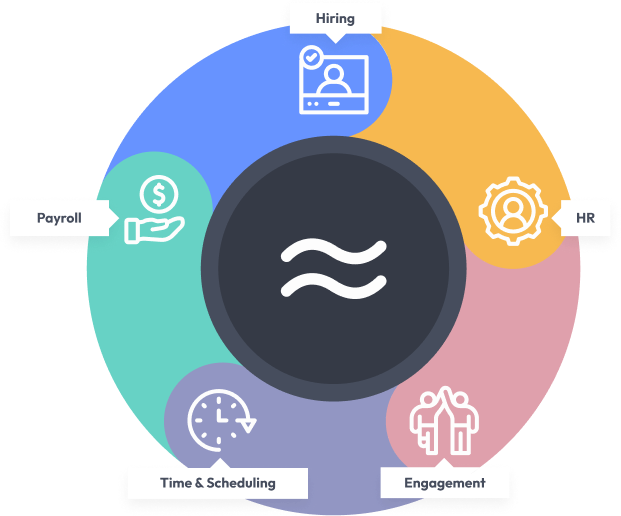

Hiring
Hire better quality workers, faster

HR
Streamline people processes and ensure employee records are always accurate

Engagement
Reduce turnover and increase worker engagement

Time & Scheduling
Manage schedules and hours worked to optimize your labor costs

Payroll
Pay your team quickly, easily, and accurately
resources
Become a hiring and onboarding expert.



Be smart with your hourly workforce
