



How to Hire Care Coordinators: Streamline Healthcare Staffing with Workstream
Streamline how you hire care coordinators with Workstream’s all-in-one platform—making it easier to find healthcare staff, recruit care coordinators, and simplify healthcare coordinator staffing.

How to Hire Care Coordinators: A Practical Guide for Small Business Owners
If you’re a franchise owner, a healthcare administrator, or just someone who’s been tasked with finding the next superstar care coordinator, you know it’s not as easy as sticking a “Help Wanted” sign in the window. The need to hire care coordinators who can juggle schedules, manage patient needs, and keep the wheels spinning is more critical than ever. But what does it actually take to find healthcare staff who are up for the job? Let’s break it down, sprinkle in some real-world wisdom, and talk about how you can recruit care coordinators without losing your mind (or your weekends).
Why Care Coordinators Matter—And Why They’re Hard to Find
Care coordinators are the glue that keeps patient care running smoothly. They’re part administrator, part advocate, part therapist—sometimes all in one day. If you’ve ever tried to hire patient care coordinators and found the process frustrating, you’re not alone.
The Role: More Than Just Scheduling
Sure, they handle appointments and paperwork, but great care coordinators also:
- Bridge communication between patients, families, and providers
- Ensure compliance with regulations and insurance requirements (see federal recordkeeping basics)
- Spot gaps in care plans before they become real problems
- Support both clinical and non-clinical staff
Honestly, it’s a bit like being the quarterback and the coach at the same time. No wonder staffing shortages in healthcare are making headlines.
Why the Talent Pool Feels Shallow
The demand for healthcare coordinator staffing is outpacing supply. According to SHRM data on turnover, burnout and lack of support drive many out of these roles. Add in wage compression (Robert Half research) and you’ve got a recipe for high turnover.
Step-by-Step: How to Hire Care Coordinators (Without Losing Sleep)
1. Craft a Job Description That Actually Attracts Talent
If your job post reads like a grocery list of demands, you’ll scare off great candidates. Instead:
- Highlight growth opportunities and meaningful work (why meaningful work matters)
- Mention flexibility or perks that set your business apart
- Be transparent about pay and benefits (salary transparency attracts applicants)
- Use clear, friendly language—ditch the jargon when possible (see examples of effective job postings)
If you ask me, a little personality in your job ad goes a long way. And if you want to stand out even more, try these creative job posting tips.
2. Source Candidates Where They Actually Are
Your next hire probably isn’t lurking on obscure job boards. Instead:
- Leverage social media—think Facebook groups for local healthcare professionals (using Instagram for hiring hourly workers)
- Tap into referral networks; current employees often know someone perfect for the role (employee happiness and referrals)
- Post on platforms built for healthcare roles (find patient care coordinators on Workstream)
- Don’t forget community colleges or local training programs—fresh grads bring energy and new ideas (why new hires matter in retention strategies)
Pro tip: Use hiring automation tools like Workstream’s smart screening and automated scheduling to cut your time-to-hire in half. Who doesn’t want to reclaim those lost hours?
3. Interview for More Than Just Skills
You want someone who can handle pressure, empathize with patients, and work well with your team. Try:
- Behavioral interview questions that get at real-world problem solving (the STAR method for interviews)
- Cultural fit questions—does this person vibe with your values? (cultural fit interview questions guide)
- Scenario-based assessments (think: “What would you do if…?”) (effective training and assessment techniques)
- Checking for soft skills like patience and communication (motivational interviewing techniques for hiring)
If you’re not sure what to ask, Workstream offers templates and guides for structured interviews that help you stay consistent—and legal.
4. Onboard Like You Mean It (Or Risk Losing Them Fast)
The first week sets the tone. Don’t just hand them a binder and hope for the best:
- Create a digital onboarding checklist so nothing falls through the cracks (onboarding templates that work)
- Assign a mentor or buddy—someone they can turn to when things get confusing (how teamwork boosts productivity and learning)
- Automate paperwork and compliance training (Workstream’s digital onboarding platform)
- Schedule regular check-ins during the first month (how recognition builds loyalty over time)
Here’s the thing: A strong onboarding process can reduce turnover by up to half. That’s not just fluff—that’s real money saved (the true cost of turnover explained).
Troubleshooting: Common Pitfalls When You Hire Care Coordinators (And How to Dodge Them)
Pitfall #1: Rushing Through Recruitment
I get it—you need someone yesterday. But cutting corners leads to mismatches and fast exits. Use tools that automate the busywork so you can focus on quality interviews (hourly workers for hire made easy with Workstream). Automation doesn’t mean impersonal; it means efficient.
Pitfall #2: Overlooking Compliance Details
This one’s not glamorous, but it’s crucial. From HIPAA to wage laws, missing a requirement can cost you big time (legal compliance for employers explained by Fisher Phillips). Digital onboarding platforms can help ensure every “i” is dotted.
Pitfall #3: Neglecting Culture Fit and Engagement
You want someone who’ll stick around—not just fill a seat. Culture matters more than you might think (building a successful company culture matters for retention). Recognize achievements early and often; even small gestures go a long way.
The Subtle Art of Retaining Great Care Coordinators (Because Hiring Is Only Half the Battle)
You’ve managed to recruit care coordinators who are sharp, compassionate, and reliable. Now what? Keeping them engaged is an ongoing process:
- Offer ongoing training and growth opportunities (effective employee training tips from BLR)
- Recognize milestones—work anniversaries, certifications, or even just surviving flu season together (work anniversary celebration ideas)
- Create open lines of communication—no one likes feeling left out of the loop (solving communication problems in teams)
- Use scheduling tools that give employees more control over their shifts (how flexible scheduling boosts retention at Gap)
- Benchmark pay and benefits regularly against industry standards (how much does an employee cost?)
If you’re still using spreadsheets for scheduling or onboarding, it’s probably time to upgrade. Platforms like Workstream can help reduce turnover by half and save thousands in unnecessary costs each year.
The Takeaway: Smart Tools Make Hiring (and Life) Easier
If you want to hire care coordinators who stick around, blend smart tech with good old-fashioned human connection. Streamline your process with automation where it counts—like applicant tracking or digital onboarding—but never lose sight of the personal touch.
If you’re curious how other businesses are winning at healthcare coordinator staffing, check out these resources:
- Hire Patient Care Coordinators with Workstream ATS
- Hiring Automation Tools by Workstream
- Onboarding Templates for New Hires
- Understanding Turnover in Assisted Living Facilities
- Rules for Part-Time Hours & Benefits Eligibility
Disclaimer: This article is intended as general guidance only; always consult legal counsel regarding compliance with healthcare hiring regulations in your state or industry.
.svg)


All your important HR tasks under one roof
Today’s business owners and HR teams are overwhelmed with administrative tasks: manual processes and exports, duplicative data entry, and siloed information. Workstream centralizes and simplifies people tasks so you can move fast, reduce labor costs, and simplify operations—all in one place.
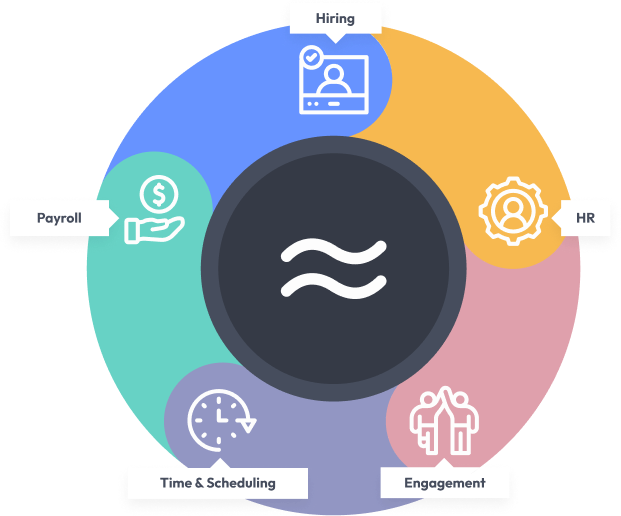

Hiring
Hire better quality workers, faster

HR
Streamline people processes and ensure employee records are always accurate

Engagement
Reduce turnover and increase worker engagement

Time & Scheduling
Manage schedules and hours worked to optimize your labor costs

Payroll
Pay your team quickly, easily, and accurately
resources
Become a hiring and onboarding expert.



Be smart with your hourly workforce
