



How to Hire Service Clerks: Step-by-Step Guide to Attract, Hire, and Retain Top Talent
Learn how to hire service clerks efficiently with our step-by-step guide. Discover best practices, interview tips, and tools to attract and retain top service clerk talent for your restaurant.

How to Hire Service Clerks: A Practical Guide for Small Business Owners
Let’s be honest, finding and keeping great service clerks can feel like trying to catch lightning in a bottle—especially when you’re juggling a million other things. But if you ask me, the right service clerk is the backbone of any retail, hospitality, or service-driven business. They’re the face your customers remember, the hands that keep things running, and sometimes, the glue holding your team together. So, how do you hire service clerks who stick around, deliver top-notch service, and fit your culture? Grab a cup of coffee, and let’s walk through the essentials together.
Understanding the Role: What Makes a Great Service Clerk?
What Does a Service Clerk Do?
Before you start your service clerk recruitment journey, it’s worth clarifying what you need. Service clerks handle everything from ringing up sales and stocking shelves to answering customer questions and keeping things tidy. It’s a jack-of-all-trades job, and that means you need someone with flexibility, patience, and a knack for people.
Curious about how to craft the perfect job description? Check out these tips for writing an effective employee handbook—trust me, it’ll save you headaches later. And if you want to see what other businesses are paying, this guide to hourly wages is a solid starting point.
Key Qualities to Look For
- Communication: Service clerks are your frontline communicators. They need to listen, explain, and sometimes defuse tricky situations.
- Reliability: Showing up on time, every time, is non-negotiable. You can’t run a smooth ship if your crew is AWOL.
- Attention to Detail: From counting change to keeping shelves organized, the little things matter.
- Adaptability: No two days are the same. One minute they’re helping a customer, the next they’re restocking or troubleshooting a register.
Want to dig deeper? This list of traits for committed employees is a must-read.
Recruiting and Attracting Top Service Clerk Talent
Modern Approaches to Service Clerk Recruitment
Let’s face it, the days of sticking a “Help Wanted” sign in the window and waiting for the perfect candidate are long gone. Today, service clerk hiring is about meeting candidates where they are—often on their phones. Platforms like Workstream make it easy to post jobs, screen applicants, and even schedule interviews via text. That’s a game-changer for busy owners and managers.
For a fresh perspective, see how Instagram can boost your hiring or check out these job posting examples that really stand out.
Crafting a Compelling Job Posting
Your job ad is your first impression. Make it count by highlighting what makes your business unique, the perks of the job, and what you expect. Need inspiration? These creative tips for job postings can help you attract the right folks.
- Be clear about pay, hours, and expectations.
- Highlight growth opportunities or unique benefits.
- Share your business’s values and culture.
According to DoorDash’s research on benefits and retention, offering even small perks can make a huge difference in attracting and keeping the best staff.
Interviewing and Selecting the Right Service Clerk
Screening and Interviewing Tips
Alright, you’ve got a stack of applications—now what? Start with a quick phone or text screen to weed out no-shows and those who aren’t a fit. Then, move on to in-person interviews. If you’re short on time, automated hiring tools can help you cut your time-to-hire in half. That’s not just a sales pitch—it’s a real, measurable impact on your bottom line.
When you’re interviewing, focus on soft skills as much as experience. Ask questions that reveal how candidates handle stress, multitask, or deal with difficult customers. For more, try these motivational interviewing techniques and cultural fit interview questions.
Common Pitfalls and How to Avoid Them
- Rushing the process: It’s tempting to hire the first warm body, but that usually backfires.
- Ignoring red flags: If someone’s late to the interview or seems disengaged, believe them the first time.
- Not checking references: A quick call can save you a world of trouble.
For more on what not to do, this look at turnover costs is eye-opening, and this deep dive on turnover causes is well worth your time.
Onboarding, Retention, and Compliance: Setting Service Clerks Up for Success
Onboarding Best Practices
Once you employ service clerks, don’t just toss them the keys and hope for the best. A structured onboarding process sets the tone for their whole tenure. Digital onboarding tools, like those from Workstream, can cut onboarding time from hours to minutes, keep you compliant, and make new hires feel welcome from day one.
Looking for a template? Here are five onboarding templates to streamline the process. And for a broader perspective, this onboarding guide is packed with practical advice.
Keeping Service Clerks Engaged and Reducing Turnover
Retention is where the rubber meets the road. The cost of replacing a single hourly worker can be staggering—sometimes up to 200% of their annual salary, according to Harvard Business Review. So, how do you keep your new hires happy?
- Offer flexible scheduling—see how technology can help.
- Recognize good work, even if it’s just a shout-out in a team meeting.
- Provide clear paths for advancement.
Want to know what really makes employees happy? This survey on restaurant employee happiness is a great read, and these turnover cost numbers might just convince you to invest more in your people.
Staying Compliant and Organized
Let’s not forget the paperwork. The Department of Labor requires you to keep certain records for each employee—hours worked, wages paid, and more. For a quick reference, check out the official recordkeeping guidelines. Digital HR platforms like Workstream can make compliance a breeze, saving you time and reducing risk.
Conclusion: Building a Winning Service Clerk Team
Hiring, onboarding, and retaining great service clerks isn’t just about filling a spot on the schedule—it’s about building the foundation for your business’s success. With the right tools, a bit of patience, and a people-first mindset, you can create a workplace where service clerks thrive and customers keep coming back. And if you’re looking for a partner to help you every step of the way, Workstream is designed with hourly businesses like yours in mind.
For more tips and inspiration, check out these resources:
- Restaurant hiring: What you need to know
- Tips for calling out benefits in job descriptions
- 10 Must-Know Statistics to Inform Your HR Strategy
- Onboarding templates for a great new hire experience
- Celebrating a Decade: The 10 Year Work Anniversary Guide
Honestly, hiring great service clerks is never a walk in the park, but with the right approach, it can be a whole lot less stressful—and maybe even a little fun.
.svg)


All your important HR tasks under one roof
Today’s business owners and HR teams are overwhelmed with administrative tasks: manual processes and exports, duplicative data entry, and siloed information. Workstream centralizes and simplifies people tasks so you can move fast, reduce labor costs, and simplify operations—all in one place.
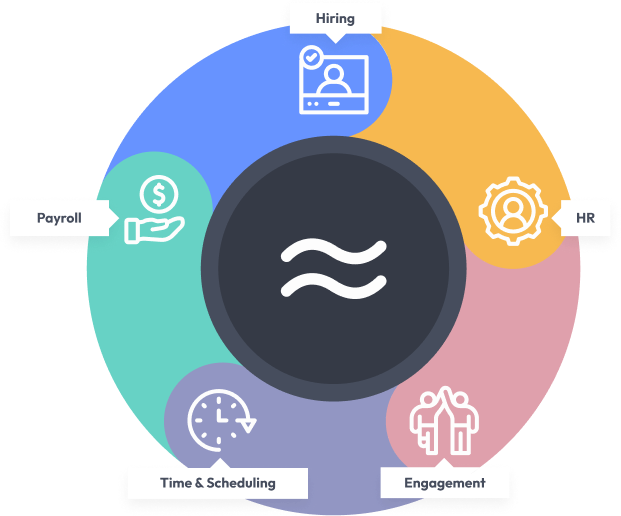

Hiring
Hire better quality workers, faster

HR
Streamline people processes and ensure employee records are always accurate

Engagement
Reduce turnover and increase worker engagement

Time & Scheduling
Manage schedules and hours worked to optimize your labor costs

Payroll
Pay your team quickly, easily, and accurately
resources
Become a hiring and onboarding expert.



Be smart with your hourly workforce
