



How to Hire Store Clerks: Proven Steps to Recruit, Interview, and Retain Top Retail Talent
Learn how to hire store clerks efficiently with our step-by-step guide. Discover tips for sourcing, interviewing, and onboarding top retail talent for your business.

How to Hire Store Clerks: A Practical Guide for Small Business Owners
If you’re running a retail business—whether it’s a bustling corner shop or a family-owned franchise—knowing how to hire store clerks can make or break your operation. The right clerks keep your shelves stocked, your customers happy, and your business humming along. But let’s be honest: finding and keeping reliable retail staff isn’t always a walk in the park. So, what’s the secret sauce? Let’s roll up our sleeves and get into it.
Understanding the Role: What Makes a Great Store Clerk?
Why Store Clerks Matter More Than You Think
Your store clerks are the face of your business. They’re the ones greeting customers, ringing up sales, and sometimes even resolving the odd complaint about a missing price tag. According to industry research, high turnover in these roles can cost you thousands each year—not just in hiring costs, but in lost sales and poor customer experiences. So, hiring right the first time is key.
Key Qualities to Look For
- Reliability: You want someone who shows up on time, every time. No-shows can throw your whole day off.
- People Skills: A smile goes a long way in retail. Look for candidates who are naturally friendly and can handle a variety of customers.
- Attention to Detail: Whether it’s stocking shelves or handling cash, the little things matter.
- Adaptability: Retail can be unpredictable. Your clerks need to roll with the punches.
For more on what makes a committed employee, check out these five traits that can help you spot a keeper.
Where to Find Store Clerks: Casting a Wider Net
Modern Sourcing Strategies
Back in the day, you might have just put a “Help Wanted” sign in the window. These days, you’ve got a lot more options. Posting on online job boards like these free sites can get your listing in front of more eyes. And don’t forget about social media—platforms like Instagram are surprisingly effective for recruiting younger workers.
For a more proactive approach, consider tapping into candidate sourcing strategies that help you reach passive job seekers. And if you’re looking to really streamline things, platforms like Workstream can automate much of the process, saving you hours each week.
Writing a Winning Job Description
A good job post does more than list duties—it sells the opportunity. Highlight what makes your store unique, mention any perks, and be clear about expectations. For inspiration, check out these job posting examples and creative tips to make your listing stand out.
The Interview Process: Separating the Wheat from the Chaff
Screening and Interviewing Tips
Once the applications start rolling in, it’s time to separate the best from the rest. Automated screening tools—like those built into Workstream—can help you quickly identify top candidates based on your criteria. When it comes to interviews, don’t just ask about experience. Try some motivational interviewing techniques or cultural fit questions to see how candidates handle real-world situations.
And here’s a little secret: sometimes, attitude trumps experience. According to this Harvard Business Review article, hiring for attitude and training for skill can dramatically reduce turnover.
Compliance and Legal Considerations
Don’t skip the paperwork. Make sure you’re following all local labor laws, including recordkeeping requirements outlined by the U.S. Department of Labor. If you’re hiring minors or part-time staff, check out these rules for part-time hours and eligibility for benefits.
Onboarding and Retention: Keeping Your Best Clerks Around
Why Onboarding Matters
First impressions count. A solid onboarding process can turn a new hire into a long-term asset. Digital onboarding tools—like those offered by Workstream—make it easy to handle paperwork, training, and compliance in one place. For practical onboarding templates, see these resources.
Reducing Turnover and Building Engagement
Retail turnover is notoriously high—sometimes costing up to $5,864 per lost employee. To keep your clerks happy, focus on engagement and growth. Offering competitive benefits and clear paths for advancement can make a big difference. If you’re wondering what really keeps employees sticking around, this survey breaks down what matters most to retail staff.
Don’t forget the power of recognition and communication. Regular feedback and team-wide announcements—features you’ll find in Workstream’s platform—help keep everyone in the loop and feeling valued. For more on engagement, check out these tips for boosting morale among hourly workers.
Common Pitfalls and How to Avoid Them
- Rushing the Process: Don’t hire just to fill a gap. A bad hire can cost you more in the long run.
- Ignoring Cultural Fit: Skills can be taught, but attitude and values matter for team harmony.
- Skipping Background Checks: It’s tempting to trust your gut, but a little due diligence goes a long way.
- Neglecting Training: Even seasoned clerks need to learn your way of doing things. Invest in training from day one.
For a deeper dive into the causes of turnover and how to tackle them, see this guide and this breakdown on turnover rates.
Conclusion: Make Hiring Store Clerks Your Competitive Advantage
Let’s face it: hiring and keeping great store clerks isn’t just about plugging holes in your schedule. It’s about building a team that helps your business thrive. By understanding what makes a great clerk, casting a wide recruiting net, using smart screening tools, and investing in onboarding and engagement, you’ll set your business up for long-term success. And if you ask me, that’s something worth putting in the window—right next to your “Now Hiring” sign.
Ready to make your next hire? Explore how Workstream’s hiring automation can help you hire store clerks faster, smarter, and with less hassle than ever before.
Further Reading on Workstream
- Learn more about restaurant hiring strategies
- Discover how to highlight benefits in your job descriptions
- Explore key HR statistics for hiring
- Check out onboarding templates for a great new hire experience
- See Workstream’s hiring automation platform in action
.svg)


All your important HR tasks under one roof
Today’s business owners and HR teams are overwhelmed with administrative tasks: manual processes and exports, duplicative data entry, and siloed information. Workstream centralizes and simplifies people tasks so you can move fast, reduce labor costs, and simplify operations—all in one place.
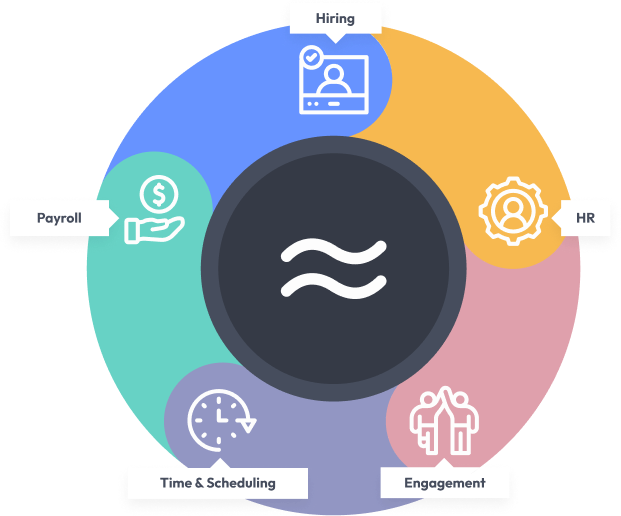

Hiring
Hire better quality workers, faster

HR
Streamline people processes and ensure employee records are always accurate

Engagement
Reduce turnover and increase worker engagement

Time & Scheduling
Manage schedules and hours worked to optimize your labor costs

Payroll
Pay your team quickly, easily, and accurately
resources
Become a hiring and onboarding expert.


Be smart with your hourly workforce
