



How to Hire Staffs: Proven Steps for Restaurants, Franchises, and Hourly Businesses
Learn the best practices and essential steps to hire staffs efficiently for your restaurant, streamline recruitment, and build a reliable team to boost your business success.

How to Hire Staffs: A Real-World Guide for Restaurants, Franchises, and Hourly Businesses
If you’ve ever tried to hire staffs for a busy restaurant or franchise, you know it’s not just about filling empty aprons. It’s about building a team that clicks, keeps customers coming back, and doesn’t vanish after a few paychecks. So, how do you actually find (and keep) the right people? Let’s walk through the process—pitfalls, practical tips, and a few stories from the trenches.
Getting Started: What Makes a Great Restaurant Team?
Understanding the Unique Challenges
Restaurants and franchises face some of the highest turnover rates in any industry. According to Michelin Guide, turnover is so common that some owners joke about installing a revolving door. But it’s no laughing matter when you’re constantly retraining staff or scrambling to cover shifts. The cost of losing a single front-line employee? On average, nearly $6,000—not to mention the impact on morale and customer experience.
So, what’s behind the churn? Harver breaks it down: lack of engagement, poor training, unclear expectations, and, frankly, not enough flexibility. If you ask me, it’s a wonder anyone sticks around without a little extra support.
Defining Roles and Expectations
Before you even post a job ad, get clear on what you need. Are you looking to hire hourly wait staff for the dinner rush, or do you need someone who can handle opening duties and inventory? A detailed, well-written job description is your first line of defense against high turnover. For inspiration, check out these employee handbook tips and job posting examples that attract the right candidates.
Hiring Smarter, Not Harder: Tactics for Success
Where to Find the Best Candidates
Today’s best franchise staffing solutions blend old-school word-of-mouth with digital tools. Posting on Indeed or even Instagram can reach a younger, tech-savvy crowd. But don’t ignore referrals—some of your best hires might come from current employees or loyal customers.
- Use digital recruiting strategies to broaden your reach.
- Tap into proactive candidate sourcing for hard-to-fill roles.
- Leverage hourly worker platforms to connect with ready-to-work applicants.
Screening and Interviewing: Speed Matters
Let’s be honest—if you’re slow to respond, you’ll lose good people to the competition. Automated screening tools, like those built into Workstream’s hiring automation, can help you cut time-to-hire in half. That’s not just a marketing claim; it’s a reality for many busy owners.
When it comes to interviews, focus on attitude and train for skill. As Harvard Business Review points out, hiring for attitude can dramatically lower your turnover rates. And don’t forget to ask the right questions—these cultural fit interview questions can reveal a lot about a candidate’s potential.
Onboarding and Retention: Turning New Hires into Loyal Staff
Streamlined Onboarding: First Impressions Matter
Remember your first day at a new job? If it was a mess—no schedule, no clear instructions—you probably didn’t stay long. Streamlined onboarding, like the digital workflows from Workstream, can reduce onboarding time from hours to minutes. That means less paperwork and more time training on the floor.
For more onboarding ideas, check out these onboarding best practices and onboarding templates to set your new hires up for success.
Keeping Your Team Engaged
Okay, you’ve managed to hire restaurant employees—now what? Keeping them happy is a whole other ballgame. According to DoorDash and Technomic, offering benefits—even to part-timers—can make a huge difference in retention. Flexible scheduling, instant pay access, and clear communication all help reduce no-shows and burnout. For a closer look at how benefits impact hiring, see how Starbucks uses benefits to engage hourly workers.
Don’t underestimate the power of recognition and growth opportunities. As Harvard Business Review reports, young hourly workers want to feel valued and see a path forward. Regular feedback, team-wide announcements, and even celebrating milestones (like a 10-year work anniversary) can boost morale and loyalty.
Compliance, Scheduling, and Avoiding Common Pitfalls
Staying Compliant and Organized
It’s tempting to focus just on hiring, but compliance is non-negotiable. The Department of Labor requires you to keep accurate records for every employee—hours, wages, and more. Mess this up, and you could be facing fines or lawsuits. Tools like Workstream’s integrated platform help you stay organized and compliant without drowning in paperwork.
Scheduling is another headache. Overstaff and you’re bleeding cash; understaff and your service suffers. Smart scheduling, with features like overtime warnings and shift swaps, can save you thousands per year per location. If you’re curious about maximizing efficiency, these schedule templates are a lifesaver.
Common Pitfalls (and How to Dodge Them)
- Ignoring cultural fit—It’s not just about skills; it’s about teamwork. Organizational culture is a major predictor of job satisfaction and turnover intention.
- Moving too slowly—Top candidates won’t wait around. Automate what you can, and respond quickly.
- Skipping onboarding—A rocky start often leads to a quick exit. Don’t leave new hires guessing.
- Neglecting benefits—Even small perks can make a big difference. Check out what makes restaurant employees happy for ideas.
Wrapping Up: Building a Strong, Reliable Team
Hiring and keeping great staff isn’t about luck—it’s about having the right systems and a bit of heart. If you want to recruit wait staff who’ll stick around, focus on clear expectations, fast and fair hiring, and a welcoming environment. And don’t be afraid to lean on technology—Workstream is purpose-built for hourly businesses, helping you save time, cut costs, and keep your team connected.
Honestly, there’s no silver bullet. But with the right tools and a people-first mindset, you’ll find yourself spending less time scrambling for staff and more time building a business you’re proud of. And isn’t that the real goal?
More Resources for Smart Hiring
.svg)


All your important HR tasks under one roof
Today’s business owners and HR teams are overwhelmed with administrative tasks: manual processes and exports, duplicative data entry, and siloed information. Workstream centralizes and simplifies people tasks so you can move fast, reduce labor costs, and simplify operations—all in one place.
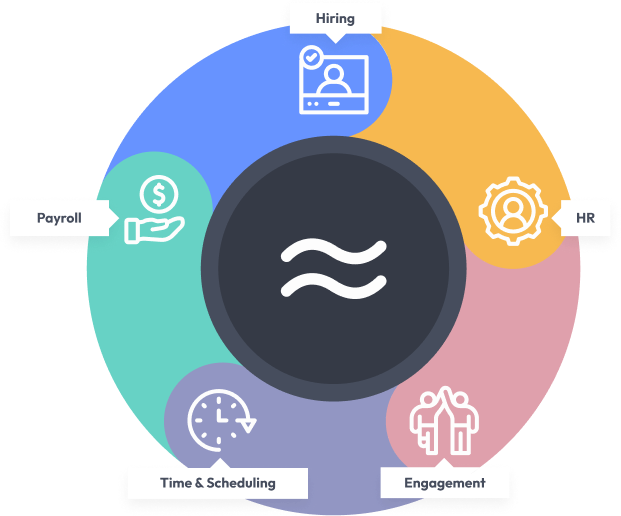

Hiring
Hire better quality workers, faster

HR
Streamline people processes and ensure employee records are always accurate

Engagement
Reduce turnover and increase worker engagement

Time & Scheduling
Manage schedules and hours worked to optimize your labor costs

Payroll
Pay your team quickly, easily, and accurately
resources
Become a hiring and onboarding expert.

Be smart with your hourly workforce
