



How to Hire Waiters: Proven Steps to Find and Keep Top Waitstaff for Your Restaurant
Discover the best tips and proven strategies to hire waiters efficiently, attract top talent, and build a strong restaurant team for exceptional customer service.

How to Hire Waiters: A Practical Guide for Restaurant Owners
Ever feel like finding the right waitstaff is a bit like searching for the perfect avocado—sometimes you get lucky, but more often, it takes patience, a good eye, and a little know-how? If you’re looking to hire waiters who’ll stick around and help your restaurant shine, you’re not alone. The restaurant industry’s notorious for high turnover, and let’s be honest, nobody wants to spend their nights scrambling to cover shifts or training new hires every other week. Let’s walk through what works, what doesn’t, and how you can build a team that keeps your guests—and your bottom line—happy.
The Real Cost of Hiring and Why It Matters
Turnover: More Than Just a Headache
First things first—turnover isn’t just an inconvenience. According to Modern Restaurant Management, losing a single front-line employee can cost a restaurateur nearly $6,000. That’s not pocket change. And when you factor in the time spent recruiting, onboarding, and training, the numbers add up fast. Michelin Guide highlights how high turnover impacts morale, service quality, and even your ability to keep regulars coming back.
But why is turnover so rampant? Harver points to reasons like lack of engagement, poor scheduling, and, sometimes, just plain burnout. If you ask me, it’s a little bit of everything—sometimes even the best managers can’t predict when a star server will decide to move on.
Hiring the Right Way: It’s About More Than a Warm Body
So, what’s the secret sauce? For starters, Harvard Business Review suggests hiring for attitude and training for skill. It’s tempting to fill an empty spot fast, but a rushed decision can backfire. Take the time to hire waiters who fit your restaurant’s culture and pace. Trust me, your regulars will notice the difference.
Building a Waitstaff Recruitment Strategy That Works
Crafting the Perfect Job Posting
Your job post is your first handshake with potential hires. Make it count. Highlight what makes your place unique—maybe you offer flexible shifts, staff meals, or a fun, supportive team. For inspiration, check out these job posting examples that attract quality hourly workers. And don’t forget to call out benefits and growth opportunities; DoorDash’s research shows that benefits can be a game-changer for recruitment and retention.
Where to Find Server Staff
Where do you look for great waiters? The old “help wanted” sign in the window still works, but these days, online platforms are where the action is. Sites like Indeed, Craigslist, and even Instagram (yes, really—see how to use Instagram to hire hourly workers) are goldmines for finding motivated candidates. And if you’re looking for a faster, more streamlined approach, Workstream’s hiring automation tools can help you reach more applicants and cut your time-to-hire in half.
- Post on multiple job boards and social platforms
- Encourage employee referrals—your current team often knows who’ll fit in
- Consider local job fairs or hospitality schools
Screening and Interviewing: Look Beyond the Resume
Resumes only tell part of the story. During interviews, focus on soft skills—communication, teamwork, and a genuine desire to serve. Try asking cultural fit interview questions to see how candidates handle real-life scenarios. And if you want to go deeper, pre-employment assessments can help you evaluate skills and personality traits before making a decision.
Onboarding and Retaining Your Waitstaff
Onboarding: Set the Stage for Success
Once you’ve made a hire, don’t just toss them an apron and hope for the best. A structured onboarding process—think checklists, shadow shifts, and clear expectations—sets new hires up for success. Workstream’s onboarding templates can help you get new staff up to speed quickly, reducing the risk of early turnover.
And let’s not forget compliance. According to the U.S. Department of Labor, accurate recordkeeping is a must for every employer. Digital onboarding tools make it easier to stay organized and compliant—no more lost paperwork or missed signatures.
Keeping Waiters Engaged and Motivated
Retention isn’t just about pay—though fair wages matter (see how top companies pay their hourly teams). Engagement comes from feeling valued and connected. Harvard Business Review notes that young hourly workers crave recognition, flexibility, and a sense of purpose. Small gestures, like celebrating work anniversaries (here’s a guide), can go a long way.
Consider offering perks like instant pay access (learn how daily pay works), flexible scheduling (see how Gap does it), or even professional development opportunities. According to Modern Restaurant Management, these extras can boost morale and reduce no-shows.
- Offer clear paths for advancement
- Recognize achievements—big and small
- Keep communication open and honest
Common Pitfalls and How to Avoid Them
Don’t Rush the Process
It’s tempting to fill a spot fast, especially when you’re short-staffed. But a bad hire can cost you more in the long run. Take your time—use structured interviews, reference checks, and even trial shifts if needed. Notch Financial breaks down the true cost of turnover and why a little patience pays off.
Ignoring Culture Fit
Skills can be taught, but attitude is harder to change. Make sure your new hires mesh with your team and your restaurant’s vibe. If you’re not sure what to look for, here are some qualities of great restaurant managers—many apply to waitstaff, too.
Neglecting Ongoing Training
Even seasoned servers need refreshers. Regular training sessions—whether on customer service, menu knowledge, or safety protocols—keep your team sharp and engaged. For tips, check out Sling’s guide to employee handbooks and BLR’s training techniques.
How Workstream Can Help You Hire Waiters (Without the Hassle)
Streamlining the Process, Saving Time and Money
Let’s face it—juggling job postings, interviews, onboarding, and payroll can feel like spinning plates. Workstream brings everything under one roof, from hiring automation to digital onboarding and payroll. Their mobile-first tools help you cut turnover by half, reduce HR tool costs, and save hours every week. That means more time for you to focus on what matters—running your restaurant and building a team you trust.
Curious how other restaurants are making it work? See how Dunkin’ franchisees improved hiring and how Five Guys scaled up their team without losing their culture.
Conclusion: Building a Waitstaff Dream Team
Hiring the right waiters isn’t rocket science, but it does take intention, effort, and the right tools. Focus on finding people who fit your culture, invest in their growth, and use technology to make your life easier. If you do, you’ll not only fill seats—you’ll fill them with folks who care about your guests as much as you do. And isn’t that what every restaurant owner wants at the end of a long shift?
Want to Go Deeper?
- Check out restaurant hiring tips for more strategies
- Explore how to highlight benefits in your job postings
- See traits of committed employees you should look for
- Learn about creative ways to make your job posting stand out
- Discover the best free job posting sites to find your next star waiter
.svg)


All your important HR tasks under one roof
Today’s business owners and HR teams are overwhelmed with administrative tasks: manual processes and exports, duplicative data entry, and siloed information. Workstream centralizes and simplifies people tasks so you can move fast, reduce labor costs, and simplify operations—all in one place.
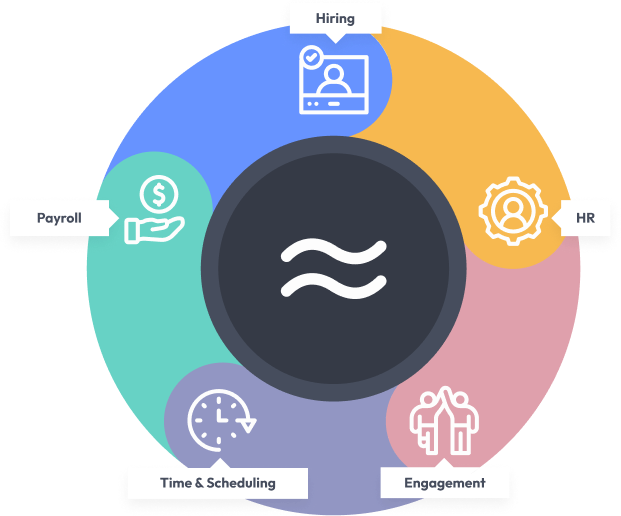

Hiring
Hire better quality workers, faster

HR
Streamline people processes and ensure employee records are always accurate

Engagement
Reduce turnover and increase worker engagement

Time & Scheduling
Manage schedules and hours worked to optimize your labor costs

Payroll
Pay your team quickly, easily, and accurately
resources
Become a hiring and onboarding expert.


Be smart with your hourly workforce
