



How to Hire Skilled Laborers: Proven Tips to Attract and Retain Top Talent
Discover proven tips and effective steps to hire skilled laborers. Streamline your recruitment process and build a strong, reliable team for your restaurant business.

How to Hire Skilled Laborers: A Practical Guide for Small Businesses
Let’s be honest—if you’re trying to hire skilled laborers these days, it can feel like searching for a needle in a haystack. Whether you run a bustling restaurant, a construction company, or a local franchise, finding and keeping the right talent is a challenge that keeps even the most seasoned owners up at night. But don’t worry, you’re not alone. Let’s break down how you can build a reliable, high-performing team—without losing your mind or your margins.
Why Skilled Labor Recruitment Feels So Tough
If you ask me, the labor market has never been more unpredictable. According to industry stats, the demand for skilled workers is sky-high, but the supply? Not so much. The restaurant and hospitality sectors are especially feeling the pinch, with turnover rates that would make anyone’s head spin. And it’s not just about numbers—employee turnover is costing businesses thousands, sometimes even more than $5,000 per lost worker.
But what’s driving this? Hourly workers want more than just a paycheck—they want fair treatment, flexibility, and a clear path to growth. If you’re still relying on old-school hiring methods, you might be missing out on the best candidates before they even walk through your door.
What Makes a Skilled Laborer “Skilled”?
It’s not just about technical know-how. Sure, a journeyman plumber or a licensed electrician needs certifications, but attitude, reliability, and adaptability matter just as much. According to Harvard Business Review, hiring for attitude and training for skill can actually reduce turnover and boost performance.
Where to Find—and How to Attract—Top Talent
So, where do you even start? Here’s the thing: skilled labor recruitment isn’t just about posting a job and hoping for the best. It’s about casting a wide net and using every tool at your disposal.
- Leverage digital platforms: Sites like Indeed and Craigslist can help you reach a broader pool of candidates, but don’t forget about social media—Instagram is surprisingly effective for younger workers.
- Write clear, compelling job descriptions: Highlight benefits, growth opportunities, and your company culture. Need inspiration? Check out these job posting examples and creative tips.
- Tap into referral programs: According to SHRM, employee referrals are often the fastest way to find trustworthy candidates.
- Partner with schools and training programs: Building relationships with local trade schools or community colleges can help you access a pipeline of new talent.
Don’t Forget About Benefits and Flexibility
Let’s face it—benefits are a game-changer. The DoorDash Impact of Benefits report shows that offering perks like health insurance, paid time off, or even instant pay access can make your job postings stand out. And flexibility? It’s not just a buzzword. Studies show flexible scheduling boosts engagement and retention—something every small business owner can appreciate.
The Nuts and Bolts: Streamlining Your Skilled Workforce Hiring Process
Now, let’s talk shop. The process to hire skilled workers shouldn’t feel like running a marathon in work boots. Here’s how to make it smoother and more efficient:
- Automate screening and scheduling: Tools like Workstream can cut your time-to-hire in half, saving you hours every week. Automated workflows mean you spend less time on paperwork and more time building your business.
- Standardize onboarding: A solid onboarding process reduces confusion and helps new hires hit the ground running. For inspiration, see these onboarding templates and onboarding tips.
- Stay compliant: Don’t get caught off guard by labor laws. The Department of Labor has clear guidelines, and Workstream’s platform helps keep your records in order, reducing the risk of costly fines.
- Track performance and engagement: Use digital tools to monitor attendance, productivity, and morale. Engaged employees are less likely to jump ship, according to Gallup.
Common Pitfalls (and How to Avoid Them)
Even the best-laid plans can go sideways. Here are a few pitfalls to watch out for:
- Ignoring culture fit: A technically skilled worker who doesn’t mesh with your team can cause more harm than good. Use cultural fit interview questions to screen for alignment.
- Underestimating onboarding: Skipping a thorough onboarding process can lead to confusion and early turnover. Don’t rush it—invest in a structured approach.
- Neglecting ongoing training: Upskilling your team keeps them engaged and ready to tackle new challenges. For tips, see effective training techniques.
Retaining Your Skilled Workforce: The Secret Sauce
Here’s the kicker: hiring is only half the battle. Keeping your skilled laborers happy and motivated is what really moves the needle. According to Modern Restaurant Management, turnover can cost up to 200% of an employee’s annual salary. That’s a number that’ll keep anyone up at night.
So, how do you keep your team around for the long haul?
- Offer clear growth paths: Employees want to know there’s room to grow. Whether it’s a path to management or learning new skills, make it visible.
- Recognize and reward: A simple thank you or a small bonus can go a long way. For more ideas, check out employee recognition programs.
- Listen to feedback: Regular check-ins and open communication build trust. If you’re not sure where to start, motivational interviewing techniques can help.
- Leverage technology: With platforms like Workstream, you can automate reminders, manage schedules, and keep everyone connected—saving you time and headaches.
Case Study: How Tech Can Transform Your Hiring
Let’s look at real-world impact. Businesses using Workstream have reported cutting turnover by half and saving thousands on administrative costs. One franchisee even replaced seven different HR tools with a single platform, slashing their expenses by $30,000 a year. That’s not just a win—it’s a game-changer.
Conclusion: Building Your Skilled Dream Team—One Hire at a Time
Hiring skilled laborers isn’t just about filling a slot—it’s about building a team that’ll help your business thrive for years to come. By focusing on smart recruitment, streamlined processes, and genuine employee engagement, you’ll not only find the right people but keep them around. And if you’re ready to take your hiring game to the next level, platforms like Workstream can give you the edge you need—without the hassle.
Want more tips on restaurant hiring, committed employees, calling out benefits in job descriptions, or scheduling hourly workers? Check out the Workstream blog for more resources to help your business grow.
.svg)


All your important HR tasks under one roof
Today’s business owners and HR teams are overwhelmed with administrative tasks: manual processes and exports, duplicative data entry, and siloed information. Workstream centralizes and simplifies people tasks so you can move fast, reduce labor costs, and simplify operations—all in one place.
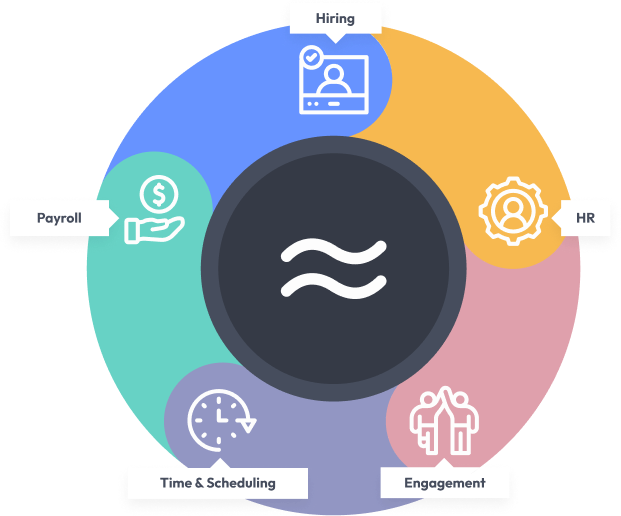

Hiring
Hire better quality workers, faster

HR
Streamline people processes and ensure employee records are always accurate

Engagement
Reduce turnover and increase worker engagement

Time & Scheduling
Manage schedules and hours worked to optimize your labor costs

Payroll
Pay your team quickly, easily, and accurately
resources
Become a hiring and onboarding expert.

Be smart with your hourly workforce
