



How to Hire Purchasing Managers: Proven Steps for Restaurants and Small Businesses
Discover the best practices to hire purchasing managers for your restaurant. Learn step-by-step strategies to attract, interview, and onboard top purchasing talent for your team.

How to Hire Purchasing Managers: A Modern Guide for Small Businesses
Let’s be real—if you’re running a restaurant, franchise, or any small business, you know that the person handling your purchasing can make or break your bottom line. The right purchasing manager keeps the shelves stocked, the kitchen humming, and the budget in check. But how do you actually hire purchasing managers who can juggle all those plates (sometimes literally)? Let’s break it down, with a few digressions and a dash of real-world wisdom.
Why Hiring the Right Purchasing Manager Matters
Ever felt the sting of a delivery gone wrong or a supplier who ghosts you at the worst moment? That’s where a skilled purchasing manager steps in. They’re part negotiator, part detective, and part relationship-builder. Great managers like these can save you thousands in wasted inventory and missed opportunities. And in the restaurant world, where margins are razor-thin, that’s not just nice—it’s necessary.
But here’s the thing: the purchasing management recruitment process isn’t just about finding someone who can haggle over prices. It’s about finding someone who fits your culture, understands your business, and can build resilient supply chains. High turnover in key roles like this can disrupt operations and cost you more than you think.
What Makes a Great Purchasing Manager?
- Strong negotiation and communication skills
- Attention to detail—because one missed order can mean a menu meltdown
- Experience with supply chain management and vendor relations
- Ability to analyze costs and forecast needs
- Adaptability—especially when the market throws a curveball (think: supply chain crunches, inflation, or that one supplier who always runs late)
Honestly, if you ask me, finding someone who can keep their cool and solve problems on the fly is worth their weight in gold—especially with today’s sustainability and cost pressures.
Where and How to Find Purchasing Managers
So, where do you even start to find purchasing managers who check all those boxes? Gone are the days when a classified ad in the local paper would do the trick. Now, you need a blend of digital reach and personal touch.
Modern Sourcing Strategies
- Leverage digital recruiting platforms to cast a wider net and reach candidates who may not be actively looking but are open to new opportunities.
- Tap into your network—referrals from trusted industry contacts can be gold. Sometimes, the best candidates aren’t even looking for a job.
- Consider proactive candidate sourcing and outreach, especially for specialized roles like procurement director or supply chain manager.
- Use creative job postings that highlight what makes your business unique and the impact the role will have.
And don’t forget: platforms like Workstream can automate much of the hiring process for hourly and management roles alike, saving you time and reducing turnover by half. That’s not just a stat—it’s a lifeline for busy owners.
Screening and Interviewing: Beyond the Resume
It’s tempting to focus on years of experience or a shiny degree, but the best purchasing managers often have a mix of street smarts and book smarts. Use motivational interviewing techniques and cultural fit questions to get a sense of how they’ll handle real-world scenarios—like a supplier suddenly raising prices or a last-minute shortage before a big event.
And don’t be afraid to ask about their approach to documenting processes or managing compliance. With labor laws and food safety regulations always shifting, you want someone who’s not just reactive, but proactive (without being too rigid, of course).
Recruiting Supply Chain Managers and Procurement Directors: What’s Different?
While the titles might sound interchangeable, recruiting supply chain managers and procurement directors comes with its own set of challenges. These roles often require a broader view—think logistics, risk management, and even sustainability initiatives.
Key Skills and Experience to Look For
- Experience with multi-location operations or franchise environments
- Familiarity with digital tools and automation platforms
- Ability to lead teams and manage cross-functional projects
- Strong analytical skills for cost control and forecasting
Here’s a fun fact: businesses using integrated HR and payroll platforms like Workstream can replace up to seven separate tools, reducing HR costs by 50%. That’s a lot of extra dough you can invest in growth—or maybe just a well-earned vacation.
Common Pitfalls to Avoid
- Ignoring cultural fit—someone may be a procurement wizard, but if they don’t mesh with your team, it’s a recipe for conflict.
- Overlooking the importance of onboarding—a structured onboarding process helps new managers hit the ground running and reduces early turnover.
- Neglecting compliance—accurate recordkeeping and understanding wage laws are non-negotiable, especially in regulated industries.
Streamlining Purchasing Management Recruitment with Technology
Let’s face it, nobody wants to spend hours buried in paperwork or chasing down references. That’s where technology comes in. Workstream’s platform lets you automate everything from screening to onboarding, with mobile-friendly workflows and text-based communication that keeps candidates engaged (and reduces interview no-shows by 55%—yes, really).
And if you’re recruiting for multiple locations or need to post jobs across several boards, automation is your best friend. You can even integrate pre-employment assessments to ensure your candidates have the skills you need.
Practical Tips for a Smoother Hiring Process
- Write clear, compelling job descriptions—clarity attracts the right candidates and weeds out the wrong ones.
- Highlight benefits and growth opportunities—benefits matter more than ever for recruitment and retention.
- Use digital onboarding tools to cut paperwork and reduce errors—templates and checklists can make a world of difference.
- Stay on top of compliance—resources like the Department of Labor can help you avoid costly mistakes.
And here’s a little redundancy for emphasis: the right tools don’t just save you time—they help you build a stronger, more resilient team. That’s something every business owner can appreciate, especially when the going gets tough.
Conclusion: Building a Better Purchasing Team for the Long Haul
Hiring a purchasing manager isn’t just about filling a seat—it’s about investing in your business’s future. By focusing on skills, cultural fit, and leveraging the right technology, you can hire purchasing managers who will help your business thrive, not just survive.
Remember, the competition for top talent is fierce, but with a thoughtful approach and the right partners (like Workstream), you can stay ahead of the curve. And who knows? Maybe you’ll even have a little fun along the way.
Want to Go Deeper?
- Read about streamlining restaurant hiring with automation
- Explore tips for highlighting benefits in job descriptions
- See how Dunkin’ franchisees improved hiring with digital tools
- Check out traits of committed employees to look for in your next hire
- Discover onboarding templates for a smoother start
.svg)


All your important HR tasks under one roof
Today’s business owners and HR teams are overwhelmed with administrative tasks: manual processes and exports, duplicative data entry, and siloed information. Workstream centralizes and simplifies people tasks so you can move fast, reduce labor costs, and simplify operations—all in one place.
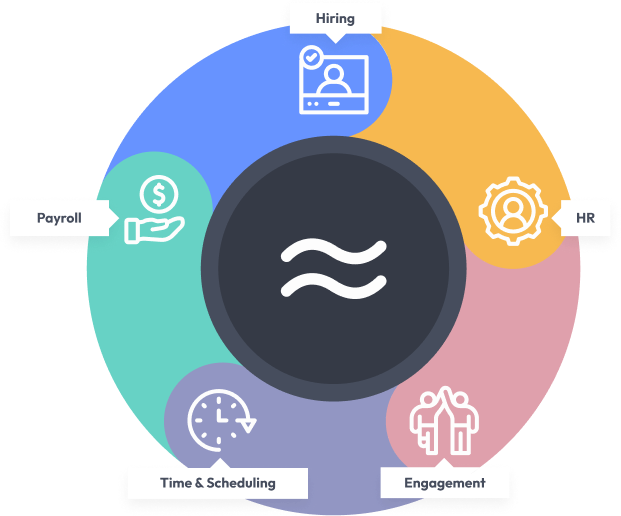

Hiring
Hire better quality workers, faster

HR
Streamline people processes and ensure employee records are always accurate

Engagement
Reduce turnover and increase worker engagement

Time & Scheduling
Manage schedules and hours worked to optimize your labor costs

Payroll
Pay your team quickly, easily, and accurately
resources
Become a hiring and onboarding expert.

Be smart with your hourly workforce
