



How to Hire Secretaries: Proven Steps to Find and Retain Top Administrative Talent for Your Business
Learn how to hire secretaries efficiently with our step-by-step guide. Discover best practices, interview tips, and key skills to look for when hiring secretaries for your business.

How to Hire Secretaries: The Practical Guide for Small Business Owners
If you’ve ever found yourself knee-deep in paperwork or missed a critical email because you were juggling too many tasks, you know just how essential a great secretary can be. But how do you hire secretaries who truly keep your business humming? Let’s unravel the process together—no jargon, just real talk and actionable steps.
Why Secretaries Are the Heartbeat of Your Office
Before we get into the nuts and bolts of hiring a secretary, let’s pause for a second. Secretaries—sometimes called office assistants or administrative staff—are the glue that holds your day-to-day operations together. They’re the first line of communication, the keepers of your calendar, and often the friendly face that greets your customers or clients.
But here’s the thing: finding the right person isn’t just about filling a seat. It’s about finding someone committed, organized, and adaptable—someone who can handle the unexpected curveballs that small businesses face. If you ask me, a great secretary is worth their weight in gold.
What Makes a Stellar Secretary?
- Strong communication skills (verbal and written)
- Organizational wizardry
- Tech-savvy—think spreadsheets, scheduling tools, and cloud docs
- Discretion and trustworthiness
- Flexibility (because, let’s be honest, no two days are ever the same)
Building a Winning Secretary Job Description
Let’s talk about the first step: crafting a job description that attracts the right candidates. Too many small businesses recycle bland, generic templates. Instead, try highlighting what makes your business unique and what you truly need from your next hire. For inspiration, check out these job posting examples and tips for employee handbooks that can help clarify expectations from day one.
Don’t forget to mention benefits—yes, even if they’re simple perks like flexible hours or free coffee. According to DoorDash’s research on benefits, even small perks can make a big difference in attracting top talent.
Key Sections for Your Secretary Job Posting
- Job Title (be specific: “Office Secretary” or “Executive Assistant”)
- Key Responsibilities (list the top 5-7 tasks)
- Skills & Experience (focus on must-haves, not just nice-to-haves)
- Benefits & Culture (why should they want to work for you?)
Want to stand out? Use creative job posting tips to make your ad shine. And if you’re hiring for multiple roles, see how to find hourly workers for hire with streamlined tools.
Recruiting and Screening: Where the Magic Happens
Now, on to the fun part: recruiting administrative staff. You could post on the usual job boards, but let’s be real—your ideal secretary might not be actively job hunting. That’s why it pays to use smart screening tools, like those in Workstream’s hiring automation platform, which can cut your time-to-hire in half and reduce turnover. (Honestly, who doesn’t want to save time and money?)
Consider these strategies:
- Leverage employee referrals—people trust their friends’ recommendations
- Use digital recruiting strategies to widen your reach
- Screen for soft skills as much as technical know-how; see motivational interviewing techniques
- Ask cultural fit interview questions to ensure alignment with your team
- Don’t underestimate the power of a well-timed follow-up—sometimes, it’s the personal touch that seals the deal
And if you’re feeling overwhelmed by the sheer volume of applications, automated workflows can help you highlight your unique benefits and move qualified candidates forward—fast.
Onboarding and Retention: Keeping Your Secretary Happy (and Productive)
So you’ve made your hire—congrats! But the work doesn’t stop there. Effective onboarding is crucial for long-term success. According to recent onboarding statistics, a structured onboarding process can boost retention and productivity significantly.
Try these onboarding essentials:
- Use onboarding templates to streamline paperwork and training
- Set clear expectations and milestones (and revisit them regularly)
- Offer ongoing feedback—don’t wait for the annual review
- Encourage professional growth and recognize achievements (even a simple “thank you” goes a long way)
Retention doesn’t have to be rocket science. Small gestures—like celebrating work anniversaries (here’s a guide) or offering flexible scheduling (see how Gap does it)—can make all the difference. If you want to go deeper, check out the true cost of turnover and why investing in retention pays off.
Compliance, Recordkeeping, and Avoiding Common Pitfalls
Now, let’s get a little technical—but not too dry, promise. When you hire secretaries, you’re responsible for accurate recordkeeping and compliance. The U.S. Department of Labor spells out what records you need to keep, from hours worked to wages paid. Missing the mark here can cost you big time—think lawsuits or fines, which, if you ask me, is money better spent on team lunches or tech upgrades.
Avoid these common pitfalls:
- Skipping background checks or reference calls
- Neglecting to clarify job expectations up front
- Letting onboarding drag on (use digital tools to speed things up)
- Forgetting about ongoing training—skills get rusty fast
Platforms like Workstream help automate compliance and document storage, so you can focus on what matters—building a stronger team.
Digression: The Secret Sauce of Small Business Success
Ever notice how some businesses just seem to “click,” while others struggle with constant turnover? It’s rarely about luck. It’s about investing in people and processes—whether that’s using operations manuals, setting SMART goals, or simply making sure your secretary feels valued. If you’re curious about what makes top franchises tick, check out these franchise success stories for inspiration.
Conclusion: Ready to Hire Secretaries Who Make a Difference?
Hiring a secretary isn’t just about filling a role—it’s about finding a partner who can help your business thrive. From writing a standout job description to leveraging smart technology and focusing on retention, you’ve got the tools to build a winning team. And if you want to make the process even smoother, platforms like Workstream are purpose-built for small business owners like you, offering everything from hiring automation to onboarding and compliance support.
Honestly, the right secretary can change everything. So take your time, use the right tools, and remember—you’re building the foundation for your business’s future, one great hire at a time.
Further Reading & Internal Resources
- Learn more about hiring automation for secretaries and office assistants
- Explore onboarding templates for a smooth start
- Discover tips for calling out benefits in job descriptions
- Find qualified secretaries for hire through Workstream
- Contact the Workstream team for personalized support
.svg)


All your important HR tasks under one roof
Today’s business owners and HR teams are overwhelmed with administrative tasks: manual processes and exports, duplicative data entry, and siloed information. Workstream centralizes and simplifies people tasks so you can move fast, reduce labor costs, and simplify operations—all in one place.
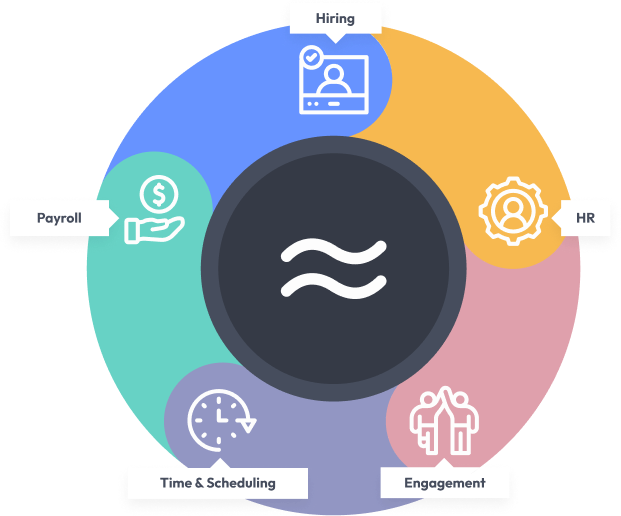

Hiring
Hire better quality workers, faster

HR
Streamline people processes and ensure employee records are always accurate

Engagement
Reduce turnover and increase worker engagement

Time & Scheduling
Manage schedules and hours worked to optimize your labor costs

Payroll
Pay your team quickly, easily, and accurately
resources
Become a hiring and onboarding expert.



Be smart with your hourly workforce
