



How to Hire Food Runners: Step-by-Step Guide for Restaurants to Recruit Top Talent
Learn the best practices to hire food runners efficiently, from crafting job descriptions to onboarding, and ensure smooth restaurant operations with the right team members.

How to Hire Food Runners: A Practical Guide for Restaurant Owners
Let’s be honest—if you run a restaurant, you know that finding and keeping great food runners can feel like trying to catch lightning in a bottle. The pace is fast, the stakes are high, and the margin for error is razor-thin. But when you hire food runners who are reliable, energetic, and team-oriented, your whole operation just clicks. So, how do you actually make that happen, especially when the competition for talent is fierce? Let’s break it down, with a few digressions along the way—because, honestly, who doesn’t love a good story about restaurant chaos turning into harmony?
Why Food Runners Matter More Than You Think
Food Runners: The Unsung Heroes
Food runners are the glue between your kitchen and your guests. They keep the flow moving, make sure dishes arrive hot, and help servers focus on what they do best—upselling and building relationships. If you’ve ever watched a seasoned food runner in action, you know it’s almost an art form. According to Michelin Guide, high turnover in these roles can disrupt the entire dining experience, impacting guest satisfaction and your bottom line.
The Cost of Getting It Wrong
Here’s the thing: turnover isn’t just an inconvenience—it’s expensive. Notch Financial estimates that losing a front-line employee can cost a restaurateur nearly $6,000. That’s not pocket change, especially if you’re running on tight margins. And with hospitality turnover rates among the highest in any industry, getting your food runner recruitment right is crucial.
Building a Winning Food Runner Recruitment Process
Step 1: Write a Clear, Compelling Job Description
First impressions matter. A well-crafted job description not only attracts more candidates but also sets expectations. For inspiration, check out Sling’s guide to employee handbooks and these job posting examples that help you stand out in a crowded market. Highlight the pace, teamwork, and growth opportunities—because, honestly, most folks applying for food runner roles want to know what’s in it for them.
Step 2: Source Candidates Where They Actually Are
Sure, you can post on the usual job boards, but don’t overlook social media and local networks. Many successful restaurants use platforms like Instagram for hiring to reach younger candidates. If you’re recruiting in smaller towns or tight-knit communities, word of mouth is gold. And yes, Craigslist still works—just avoid the common pitfalls with these tips.
Step 3: Screen for Attitude and Hustle, Not Just Experience
Food runners don’t always need years of experience. What you want are folks who can hustle, communicate, and stay cool under pressure. Harvard Business Review suggests hiring for attitude and training for skill—especially in fast-paced environments. Use motivational interviewing techniques to dig into their work ethic and teamwork skills.
Step 4: Streamline the Interview and Onboarding Process
Don’t let great candidates slip away because your process takes too long. Automated scheduling and text-based workflows—like those offered by Workstream’s hiring automation—can cut time-to-hire in half. With tools that send reminders, collect digital documents, and handle compliance, you’ll get new hires on the floor faster and with less paperwork. For onboarding, check out these onboarding templates to ensure a smooth start.
How to Find Food Runners That Stick Around
Offer More Than Just a Paycheck
Benefits matter—a lot. According to DoorDash’s report, offering perks like flexible schedules, instant pay access, or meal discounts can be the difference between a revolving door and a loyal team. If you’re curious about daily pay options, see how instant pay access is changing the game for hourly workers.
Build a Culture People Want to Join
Culture isn’t just a buzzword—it’s what keeps people coming back. Modern Restaurant Management found that employees value respect, teamwork, and recognition. Small gestures—like celebrating milestones or giving shout-outs—go a long way. For ideas, check out this guide to work anniversaries.
Invest in Training and Growth
Training isn’t just about learning the menu. It’s about building confidence and showing your team you care about their growth. BLR’s training tips can help you design sessions that actually stick. And if you want to give your runners a path to server or even management roles, talk about it during interviews—ambition is contagious.
Stay Competitive With Pay and Scheduling
Let’s not kid ourselves—pay matters. See how your wages stack up against other restaurants. But don’t forget about scheduling. Giving employees more control, as seen in Gap’s scheduling approach, can boost engagement and reduce no-shows. And if you’re still doing schedules by hand, maybe it’s time to try a 24-hour schedule template or digital tool.
Common Pitfalls and How to Avoid Them
- Dragging your feet: In this labor market, speed is everything. Automate what you can and keep candidates in the loop.
- Ignoring culture fit: A great resume is nice, but if someone doesn’t mesh with your team, it won’t last. Use cultural fit interview questions to spot red flags early.
- Overlooking compliance: Don’t get caught off guard by paperwork or wage issues. The Department of Labor’s recordkeeping guide is a must-read, and digital HR platforms like Workstream can help you stay organized.
- Neglecting feedback: Ask your current runners what’s working and what isn’t. Sometimes, the best ideas come from the people in the trenches.
Conclusion: Hiring Food Runners Doesn’t Have to Be a Headache
If you ask me, hiring food runners is both an art and a science. It’s about finding the right people, moving fast, and giving them reasons to stay. With tools like Workstream’s hiring automation, you can cut turnover by half, save thousands in labor costs, and—maybe best of all—spend less time on paperwork and more time building a team you’re proud of. Whether you’re recruiting your first food runner or your fiftieth, remember: every great restaurant is built on the shoulders of its hourly team. Treat them well, and they’ll take care of your guests—and your business.
For More Resources
.svg)


All your important HR tasks under one roof
Today’s business owners and HR teams are overwhelmed with administrative tasks: manual processes and exports, duplicative data entry, and siloed information. Workstream centralizes and simplifies people tasks so you can move fast, reduce labor costs, and simplify operations—all in one place.
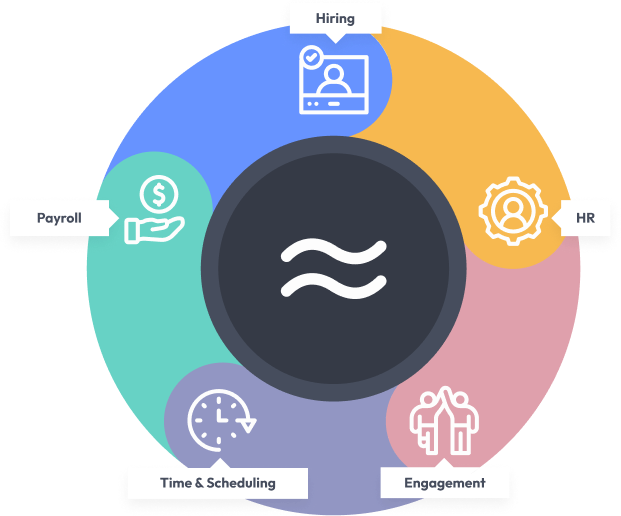

Hiring
Hire better quality workers, faster

HR
Streamline people processes and ensure employee records are always accurate

Engagement
Reduce turnover and increase worker engagement

Time & Scheduling
Manage schedules and hours worked to optimize your labor costs

Payroll
Pay your team quickly, easily, and accurately
resources
Become a hiring and onboarding expert.

Be smart with your hourly workforce
