



How to Hire Mechanic Apprentices: Step-by-Step Guide for Small Businesses to Build Skilled Teams
Discover the best strategies to hire mechanic apprentices for your small business. Learn key tips to attract, evaluate, and onboard top apprentice talent in the automotive industry.

How to Hire Mechanic Apprentices: A Practical Guide for Small Business Owners
Finding the right talent for your shop isn’t just about plugging a hole in the schedule—it’s about building a team that’ll stick around, grow with you, and maybe even become your next lead technician. If you’re looking to hire mechanic apprentices, you’re not alone. The need for skilled hands in the auto repair industry is bigger than ever, and let’s be honest, the old “help wanted” sign just doesn’t cut it anymore.
Why Invest in Mechanic Apprentices?
Let’s start with the basics—why bother with apprenticeships in the first place? Well, for one thing, the cost of turnover in skilled trades is nothing to sneeze at. Training up fresh talent through a mechanic apprentice program gives you a pipeline of loyal, skilled workers who know your shop’s way of doing things. Plus, you get to shape their skills from the ground up. Who wouldn’t want that?
And here’s the kicker: according to industry research, losing a front-line employee can cost you thousands in lost productivity and retraining. So, investing in apprentices isn’t just good karma—it’s good business.
Recruiting Mechanic Apprentices: Where Do You Start?
Get Your Job Description Right
Before you post a job, make sure your description is clear and appealing. Highlight growth opportunities, training, and any perks. For inspiration, check out these job posting examples designed to attract quality hourly workers. And if you’re not sure what to include, the Job Accommodation Network has some great resources on developing effective job descriptions.
Where to Find Auto Technician Trainees
- Technical schools and community colleges: Many students are eager for hands-on experience. Partner with local programs to create a direct pipeline.
- Online job boards: Platforms like Indeed and Craigslist are still goldmines for entry-level talent, especially when you know how to write a standout post.
- Social media: Don’t overlook platforms like Instagram for reaching younger candidates.
- Employee referrals: Your current team probably knows someone looking to break into the trade. A simple referral bonus can work wonders.
And let’s be real—sometimes the best hires come from word-of-mouth. If your shop has a good reputation, people will come knocking. But you can’t just sit back and wait. Proactive outreach is key, as highlighted in this guide on sourcing candidates.
Screening and Interviewing: What to Look For
When you recruit mechanic apprentices, attitude often trumps experience. Sure, technical know-how is important, but you can teach skills—you can’t teach work ethic. As Harvard Business Review puts it, hiring for attitude and training for skill is a recipe for long-term retention. Use motivational interviewing techniques and cultural fit interview questions to find candidates who’ll mesh with your team.
Building a Mechanic Apprentice Program That Works
Structure and Compliance
Setting up a mechanic apprentice program isn’t just about handing someone a wrench and hoping for the best. You’ll need a clear training plan, mentorship, and regular feedback. For compliance, make sure you’re up to speed with Department of Labor recordkeeping requirements and any state-specific apprenticeship regulations. If you’re not sure where to start, onboarding templates can help streamline the paperwork and training process.
Mentorship and Growth
Pairing apprentices with experienced techs is a game-changer. Not only does it speed up the learning curve, but it also builds camaraderie. According to industry insights, mentorship is one of the top ways to reduce turnover and boost job satisfaction.
Technology and Tools
Let’s face it, running a shop is hectic. That’s why tools like Workstream’s hiring automation can be a lifesaver—automating interview scheduling, onboarding, and even compliance tracking. It’s like having an extra set of hands (without the payroll headache). Plus, digital scheduling and communication tools help keep everyone on the same page, reducing no-shows and confusion—something Axonify highlights as a key to employee engagement.
Common Pitfalls (and How to Dodge Them)
- Vague expectations: If you don’t spell out what success looks like, you’re setting everyone up for frustration. Use clear goals and regular check-ins.
- Neglecting culture fit: Even the most skilled trainee can become a headache if they clash with your team. Prioritize attitude and values in your hiring process.
- Ignoring feedback: Apprentices need guidance, but they also need to feel heard. A two-way feedback loop keeps everyone engaged and growing.
- Manual paperwork overload: Honestly, nobody wants to spend hours on forms. Digital onboarding and payroll tools (like those from Workstream) save time and reduce errors.
And if you’re worried about the cost, consider this: streamlining your hiring and onboarding can cut your HR tool costs by 50% and reduce time-to-hire by half. That’s not just a drop in the bucket—it’s a real boost to your bottom line.
Staying Competitive: Retain and Grow Your Talent
Once you’ve managed to find auto technician trainees, the work isn’t over. Competitive pay, benefits, and a clear path to advancement are crucial. The DoorDash report on benefits and retention shows that perks like flexible schedules and health coverage can make all the difference. And don’t forget, a little appreciation goes a long way—celebrating milestones and recognizing hard work keeps morale high.
For more ideas on keeping your team happy, check out what makes employees happy and how to avoid costly turnover.
Conclusion: Hiring Apprentices is an Investment, Not an Expense
At the end of the day, learning how to hire mechanic apprentices is about more than filling a spot on the roster—it’s about building the future of your business. With the right approach, you’ll not only recruit car repair apprentices who stick around, but you’ll also create a shop culture that attracts top talent year after year. And if you ask me, that’s worth every bit of effort.
For more resources and practical guides on hiring, onboarding, and managing your hourly workforce, check out these helpful reads from Workstream:
.svg)


All your important HR tasks under one roof
Today’s business owners and HR teams are overwhelmed with administrative tasks: manual processes and exports, duplicative data entry, and siloed information. Workstream centralizes and simplifies people tasks so you can move fast, reduce labor costs, and simplify operations—all in one place.
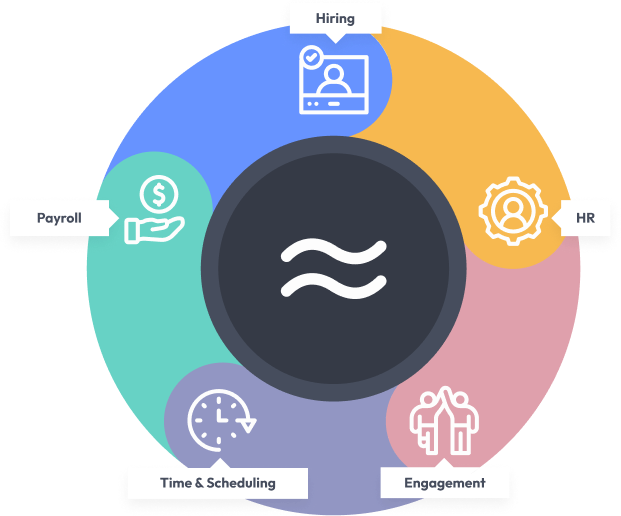

Hiring
Hire better quality workers, faster

HR
Streamline people processes and ensure employee records are always accurate

Engagement
Reduce turnover and increase worker engagement

Time & Scheduling
Manage schedules and hours worked to optimize your labor costs

Payroll
Pay your team quickly, easily, and accurately
resources
Become a hiring and onboarding expert.

Be smart with your hourly workforce
