



How to Hire Auto Electricians: A Practical Guide for Small Business Owners
Discover how to hire auto electricians who fit your shop’s needs. Streamline recruiting, onboarding, and compliance with expert tips and digital tools.

How to Hire Auto Electricians: A Practical Guide for Small Business Owners
If you’re running a shop, dealership, or mobile repair business, knowing how to hire auto electricians can make or break your bottom line. It’s not just about finding someone who can rewire a dashboard or troubleshoot a check engine light—it's about building a reliable team that keeps your customers coming back. But let’s be honest, the process can feel like chasing wires in a haystack. So, what does it really take to find auto electricians who fit your business, culture, and workflow?
Understanding the Role: What Makes a Great Auto Electrician?
Before you start posting job ads, pause for a second. What exactly are you looking for? An auto electrician isn’t just a car mechanic—they’re specialists in vehicle electrical systems, from basic wiring to advanced diagnostics and even hybrid technologies. If you ask me, the right hire is part technician, part detective.
- They must read complex wiring diagrams and understand evolving vehicle tech.
- They need strong troubleshooting skills—think of them as the ER doctors of the garage.
- Communication matters: Can they explain issues to customers without jargon overload?
For more on what makes a great hourly worker tick, check out this guide to committed employees.
Compliance and Certifications: Don’t Skip the Details
Regulations around vehicle repairs vary by state, but most require certifications or proof of training for auto electricians. The Department of Labor mandates accurate recordkeeping for all employees—don’t cut corners here! And if you’re hiring for specialized vehicles, make sure your candidate has the right background. No one wants to learn about compliance the hard way (read: lawsuits).
The Search: Where and How to Find Auto Electricians
Let’s get real—posting a job on Craigslist and hoping for the best is like tossing a wrench into the wind. To recruit car electricians, you need a plan that goes beyond the basics.
- Use targeted job boards and industry groups. For example, see how others are proactively finding candidates.
- Leverage social media—Instagram isn’t just for food pics. Learn how to use it for hiring hourly workers.
- Tap into local trade schools and certification programs. These are goldmines for fresh talent.
- Don’t underestimate referrals from your current team—sometimes the best hires come from word of mouth.
If you want to see how top franchises handle hiring, check out these stories on Five Guys’ growth and McDonald’s profitability.
Recruiting Automotive Electricians: Writing Job Ads That Work
Your job description is your handshake with potential hires. Make it count! Be clear about required skills, certifications, and what makes your workplace unique. For inspiration, browse some best job posting examples.
Highlight perks like flexible schedules or instant pay access (which is huge in today’s labor market—see why in this piece on instant pay access). And don’t forget to call out benefits—here are some tips for showcasing benefits in job descriptions.
The Interview Process: Screening and Selection Tips
This is where rubber meets the road. Don’t just grill candidates on technical skills; ask about real-world scenarios. For example, “Tell me about a time you diagnosed an electrical fault no one else could find.” Want more ideas? Here are some motivational interviewing techniques and cultural fit interview questions.
- Test their hands-on skills—set up a practical task if possible.
- Assess soft skills: reliability, communication, and adaptability matter as much as wiring know-how.
- Check references thoroughly. A quick call can save you months of headaches.
If you’re pressed for time (and who isn’t?), consider using hiring automation tools like Workstream’s hiring automation. It streamlines screening, automates interview scheduling, and helps you move fast—because good candidates don’t wait around.
Onboarding: Setting Up Your New Hire for Success
A strong onboarding process reduces turnover by half and gets your new hire productive faster. Don’t believe me? Read about effective onboarding in this onboarding and training guide for hourly employees. Or explore these onboarding templates to create a smooth experience from day one.
And if you want to see how onboarding impacts retention, check out this deep dive on the impact of benefits on recruitment and retention.
Pitfalls to Avoid When You Hire Vehicle Electricians
Honestly, hiring isn’t always smooth sailing. Here’s where many businesses trip up:
- Poor job descriptions: Vague ads attract vague candidates. Be specific!
- No clear onboarding: A rocky start leads to quick exits. Set expectations early.
- Lack of flexibility: Rigid schedules drive away good talent. See why flexible scheduling matters in this article on hourly worker retention.
- Ignoring culture fit: Skills can be taught; attitude can’t. Learn how culture impacts turnover in this study on job satisfaction and organizational culture.
If you’re struggling with turnover, see how high turnover affects businesses in this look at employee turnover in restaurants, or get strategies for reducing churn in this piece on robust retention strategies.
The Power of Technology in Recruiting Automotive Electricians
If you want to stay ahead, don’t ignore tech. Platforms like Workstream let you automate repetitive tasks so you can focus on building relationships with your team—not shuffling paperwork. From digital onboarding to instant messaging with candidates, technology can help you recruit automotive electricians faster and smarter. Explore more about how tech is changing hiring in this article on digital recruiting strategies.
The Bottom Line: Building Your Dream Team
You don’t have to reinvent the wheel every time you need to hire auto electricians. With clear expectations, smart recruiting channels, and streamlined onboarding, you’ll build a team that keeps engines—and your business—running smoothly.
If you’re ready to start now, browse available candidates or post your job directly through Workstream’s platform for electricians, auto mechanics, or even auto body technicians. And if you need help with compliance or scheduling headaches, Workstream has tools to keep you covered—saving time, money, and maybe even your sanity.
Further Reading & Resources on Workstream
.svg)


All your important HR tasks under one roof
Today’s business owners and HR teams are overwhelmed with administrative tasks: manual processes and exports, duplicative data entry, and siloed information. Workstream centralizes and simplifies people tasks so you can move fast, reduce labor costs, and simplify operations—all in one place.
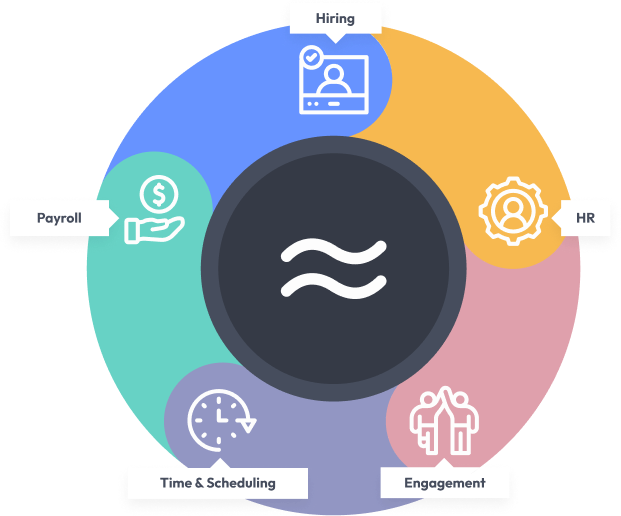

Hiring
Hire better quality workers, faster

HR
Streamline people processes and ensure employee records are always accurate

Engagement
Reduce turnover and increase worker engagement

Time & Scheduling
Manage schedules and hours worked to optimize your labor costs

Payroll
Pay your team quickly, easily, and accurately
resources
Become a hiring and onboarding expert.

Be smart with your hourly workforce
