



How to Hire Healthcare Data Analysts: Proven Steps to Attract and Retain Top Talent
Learn how to hire healthcare data analysts efficiently with our step-by-step guide—find top talent, streamline your hiring process, and build a strong healthcare data team.

How to Hire Healthcare Data Analysts: A Practical Guide for Small Businesses
Let’s face it—if you’re running a healthcare business, hiring the right healthcare data analysts can feel a bit like searching for a needle in a haystack. The stakes are high, the regulations are strict, and the competition for talent is fierce. But here’s the thing: getting your healthcare data analyst recruitment strategy right can be the difference between running a smooth operation and drowning in paperwork, compliance headaches, or even costly errors. So, how do you hire healthcare data analysts who will actually help your business thrive? Let’s dig into the details, with a few real-world detours along the way.
Why Healthcare Data Analysts Matter (And Why They’re So Hard to Find)
Healthcare is a data-heavy field—think patient records, insurance claims, compliance reports, and more. A great data analyst can turn all that raw information into actionable insights, helping you spot trends, improve patient care, and stay on top of compliance. But here’s the rub: turnover rates in healthcare are notoriously high, and the demand for skilled analysts keeps rising. According to the American Staffing Association, the staffing industry is booming, but specialized roles like data analysts are still tough to fill.
So, what’s making hire data analysts in healthcare such a challenge?
- Ever-changing regulations (HIPAA, anyone?)
- Need for industry-specific expertise
- Competition from larger health systems and tech companies
And honestly, who hasn’t felt a little overwhelmed by all the acronyms and compliance requirements?
Building a Healthcare Data Analyst Recruitment Strategy That Works
Start with a Crystal-Clear Job Description
Before you even think about posting your job, make sure you know exactly what you need. A vague job description is like a leaky boat—it’ll never get you where you want to go. For tips on crafting a standout job post, check out these job posting examples and creative tips for job postings.
- List specific technical skills (SQL, Python, EHR systems, etc.)
- Highlight experience with healthcare regulations and data privacy
- Emphasize soft skills like communication and problem-solving
And don’t forget to call out benefits and growth opportunities—benefits are a huge driver for attracting top talent, even in healthcare. If you’re not sure how to showcase perks, these tips for calling out benefits can help.
Source Candidates Where They Actually Hang Out
Healthcare data analysts aren’t always scrolling through the same job boards as everyone else. You’ll want to expand your reach:
- Tap into industry-specific platforms and professional networks
- Leverage referrals from current employees (they know who’s good!)
- Don’t underestimate the power of social media recruiting—yes, even for technical roles
For more on finding qualified candidates, this guide is packed with actionable ideas.
Screen and Assess Like a Pro
Screening resumes is just the start. You want to make sure your candidates can walk the walk, not just talk the talk. Consider using pre-employment assessments to test technical skills and real-world problem-solving. And when it comes to interviews, structure your questions to dig into both technical know-how and cultural fit—these cultural fit interview questions are a great place to start.
Pro tip: Automated hiring tools like Workstream’s hiring automation can help you filter candidates quickly and fairly, saving you hours each week and reducing bias. If you ask me, that’s a win-win for small teams with limited HR bandwidth.
Compliance, Onboarding, and Retention: Don’t Drop the Ball
Stay on Top of Compliance (Or Pay the Price)
Healthcare is a minefield of compliance requirements. From wage recordkeeping to HIPAA, you need airtight processes. Digital onboarding tools and centralized document storage (like those offered by Workstream) help keep you compliant and organized. For a deeper dive into onboarding, these onboarding templates can streamline your process.
Onboarding: Make It Fast, Friendly, and Foolproof
First impressions matter. A clunky onboarding process can turn off new hires before they even get started. Automate what you can, keep communication clear, and use digital workflows to cut down on paperwork. For inspiration, check out how Gap gave employees more control over their schedules—the lesson applies even outside retail.
Retention: Keep Your Data Analysts Happy (and Productive)
Hiring is just the beginning. Retaining top talent is where the real challenge lies. High turnover can cost you big—some estimates peg the cost of losing an employee at thousands of dollars. So, what keeps healthcare data analysts sticking around?
- Clear career growth paths
- Competitive pay and benefits
- Strong workplace culture and engagement
- Opportunities for ongoing learning (think certifications, conferences, or even just regular feedback)
For more on employee engagement and retention, don’t miss this Harvard Business Review piece and these traits of committed employees.
Technology: Your Secret Weapon for Smarter Hiring
Why Automation and Integration Matter
Let’s be real—manual hiring processes are slow, error-prone, and just plain exhausting. Platforms like Workstream bring everything under one roof: job posting, screening, onboarding, scheduling, and payroll. This isn’t just about convenience; it’s about saving money and reducing costly mistakes. In fact, switching to an all-in-one HR tool can save businesses up to $30,000 a year. That’s not pocket change.
And with AI-powered features, you can screen candidates 24/7, cut interview no-shows by more than half, and fill roles twice as fast. If you’re tired of chasing paperwork or playing phone tag with candidates, it’s time to rethink your hiring stack.
Real-World Success Stories
Don’t just take my word for it—see how other businesses are succeeding:
- Five Guys’ rapid growth was fueled by smart hiring and onboarding.
- Dunkin’ franchisees improved hiring and applicant experience with automation.
- Culver’s secrets to growth include streamlined HR processes and strong team culture.
Conclusion: Make Hiring Healthcare Data Analysts Your Competitive Edge
If you’re serious about growing your healthcare business, getting your data analyst recruitment right is non-negotiable. Start with a clear job description, use smart sourcing and screening tools, and don’t skimp on onboarding or retention. Lean on technology like Workstream to cut costs, save time, and keep your team focused on what matters—great patient care and business growth.
And hey, if you ever feel stuck, remember: hiring is a journey, not a one-and-done task. Stay curious, keep learning, and don’t be afraid to try new tools or approaches. After all, the right data analyst might just be the missing piece your team needs.
Related Resources on Workstream
.svg)


All your important HR tasks under one roof
Today’s business owners and HR teams are overwhelmed with administrative tasks: manual processes and exports, duplicative data entry, and siloed information. Workstream centralizes and simplifies people tasks so you can move fast, reduce labor costs, and simplify operations—all in one place.
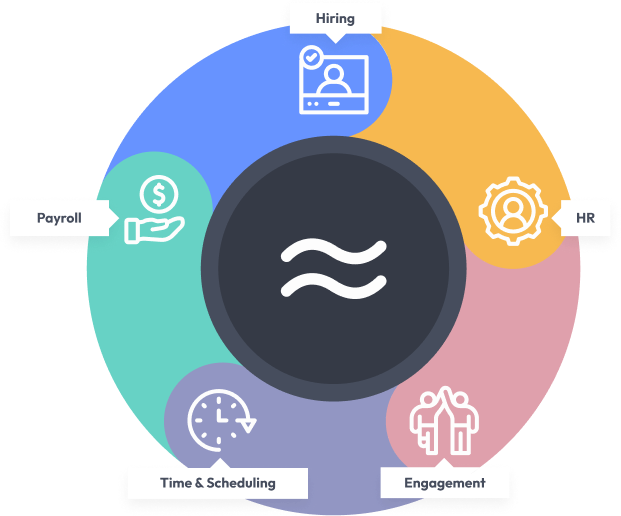

Hiring
Hire better quality workers, faster

HR
Streamline people processes and ensure employee records are always accurate

Engagement
Reduce turnover and increase worker engagement

Time & Scheduling
Manage schedules and hours worked to optimize your labor costs

Payroll
Pay your team quickly, easily, and accurately
resources
Become a hiring and onboarding expert.


Be smart with your hourly workforce
