



How to Hire Chemical Technicians: Streamline Your Process and Find Top Talent
Streamline how you hire chemical technicians with Workstream’s mobile-first platform—automate recruiting, onboarding, and compliance to quickly build a reliable staff.

How to Hire Chemical Technicians: The Complete Guide for Small Businesses
If you run a lab, a manufacturing plant, or even a bustling franchise with a back-of-house that looks more like a chemistry set than a kitchen, you know just how crucial it is to hire chemical technicians who are sharp, reliable, and ready to jump into the action. But finding the right people? It’s not as easy as mixing vinegar and baking soda. Let’s break down how to recruit chemistry staff, avoid common hiring headaches, and build a team that keeps your business humming—without blowing your budget or your sanity.
Why Hiring the Right Chemical Technicians Matters (More Than You Think)
Honestly, if you ask me, chemical technicians are the unsung heroes of any operation that deals with formulas, mixing, or compliance. They’re the folks who keep things safe, efficient, and—let’s be real—legal. A single bad hire can lead to costly mistakes, compliance nightmares, or even safety hazards. Employee turnover in technical roles can cost your business thousands in retraining and lost productivity. So why risk it?
But there’s more. The right chemical lab worker brings:
- Attention to detail—because one decimal point off can mean disaster.
- Teamwork skills—labs aren’t solo acts; they’re more like jazz bands.
- Adaptability—regulations and processes change faster than you can say “OSHA.”
And don’t forget: high turnover in technical roles can cripple your operation. Retaining great people is half the battle.
The Blueprint: How to Hire Lab Technicians Who Stick Around
Step 1: Nail Your Job Description (And Make Compliance a Priority)
Your job post isn’t just a list of duties—it’s your first filter for quality candidates. Spell out exactly what you need: certifications, experience with certain equipment, willingness to work shifts, and so on. For inspiration, check out these job posting examples tailored for hourly and technical workers.
Don’t gloss over legal requirements! For example, the Department of Labor mandates specific recordkeeping for nonexempt workers. And if you’re dealing with hazardous materials, OSHA compliance isn’t optional—it’s essential.
Disclaimer: This article is for informational purposes only and does not constitute legal advice. Always consult with a qualified attorney or compliance expert regarding hiring laws in your state.
Step 2: Cast a Wide Net (But Don’t Waste Time on Unqualified Leads)
Recruiting chemistry technicians isn’t just about posting on one job board and hoping for the best. Use multiple channels—industry sites, local colleges, even social media. Did you know you can use Instagram to hire hourly workers? It sounds wild, but it works for younger candidates who live on their phones.
If you want to get fancy, consider pre-employment assessments like those discussed at eSkill. These tools help weed out folks who look good on paper but can’t tell a pipette from a paperclip.
Step 3: Streamline Screening and Interviews (Your Time Is Money!)
You don’t have all day to sift through resumes. That’s where platforms like Workstream’s hiring automation come in—they let you automate screening questions, schedule interviews via text, and move candidates through the pipeline faster than you can say “next!” In fact, businesses using smart screening tools save up to three hours per week per location and reduce interview no-shows by 55%.
When you do interview, focus on both technical skills and soft skills. Ask questions that reveal how candidates handle pressure or unexpected lab results. For ideas, see these motivational interviewing techniques.
Step 4: Onboard Like You Mean It (Retention Starts Day One)
If you think onboarding is just paperwork, think again! Proper onboarding boosts retention by up to 82%, according to recent onboarding statistics. Use digital tools to make onboarding painless—no more chasing signatures or losing track of certifications. Platforms like Workstream let new hires complete forms on their phones and send automated reminders so nothing falls through the cracks.
Need onboarding templates? Check out these onboarding templates for inspiration.
Pitfalls and Pro Tips: What Most Small Businesses Get Wrong
The Hidden Costs of Bad Hires (And How to Dodge Them)
If you’ve ever had to fire someone after a month because they couldn’t follow basic lab safety protocols, you know the pain—and the expense. According to Beebole’s guide on employee costs, replacing an employee can cost up to twice their annual salary when you factor in lost productivity and retraining.
The fix? Invest in better screening and don’t skip reference checks. And remember: sometimes it’s worth paying a bit more for someone who’ll stick around. Want more on retention? See this Harvard Business Review piece on engaging hourly workers.
Compliance Isn’t Just Paperwork—It’s Your Safety Net
Chemical labs are regulated environments. If you’re not careful with documentation or training, you could face hefty fines—or worse. Stay up-to-date with OSHA standards and use digital tools to track certifications and training dates. For a deeper dive into compliance tracking and benefits administration, check out this overview of Workstream’s platform.
Don’t Forget Culture (Yes, Even in the Lab!)
You might think culture is just for tech startups with beanbag chairs, but it matters in technical environments too. A positive culture reduces turnover and increases productivity—research shows that job satisfaction is directly linked to retention rates.
The Future of Hiring Chemical Lab Workers: Tech Tools & Trends
The world of recruiting chemistry staff is changing fast. AI-powered tools now help businesses cut time-to-hire in half and reduce labor costs by automating repetitive admin tasks. Text-based workflows keep candidates engaged—and let’s be honest, if your process feels like it was built in 1999, you’ll lose top talent to competitors who move faster.
- Mobile-first applications: Candidates expect to apply from their phones—don’t make them hunt for a desktop.
- Automated scheduling: Tools that warn about overtime or understaffing save money (and headaches).
- Integrated payroll: Fewer errors mean happier employees—and less time fixing mistakes every payday.
If you want to see how modern platforms can help you recruit chemistry technicians efficiently, explore Workstream’s HR suite.
A Few Final Words—And Where to Go Next
If you want your business to thrive—not just survive—you need to hire chemical technicians who bring skill, reliability, and a dash of curiosity to the table. Don’t settle for “good enough.” Use smart recruiting strategies, invest in onboarding, and leverage technology so your team can do their best work without getting bogged down in paperwork or outdated processes.
And if you’re curious about how other businesses are tackling similar hiring challenges—or just want more practical tips—take a look at these resources:
- The real cost of employee turnover
- Causes of turnover in hospitality
- Impact of benefits on recruitment & retention
- How to proactively find candidates
- Solving communication problems for frontline teams
- Effective training techniques for employees
- Reducing employee turnover through retention strategies
- Salary transparency in job ads
- Variable pay plans for performance rewards
- Improving labor and productivity in small business
- Legal guidance on employment practices
- Year-end bonuses and employee incentives research
- Creative recruitment ad inspiration
- Staffing industry statistics and trends
If you’re ready to take your hiring process up a notch—or just want to see what’s possible—explore these resources from Workstream:
.svg)


All your important HR tasks under one roof
Today’s business owners and HR teams are overwhelmed with administrative tasks: manual processes and exports, duplicative data entry, and siloed information. Workstream centralizes and simplifies people tasks so you can move fast, reduce labor costs, and simplify operations—all in one place.
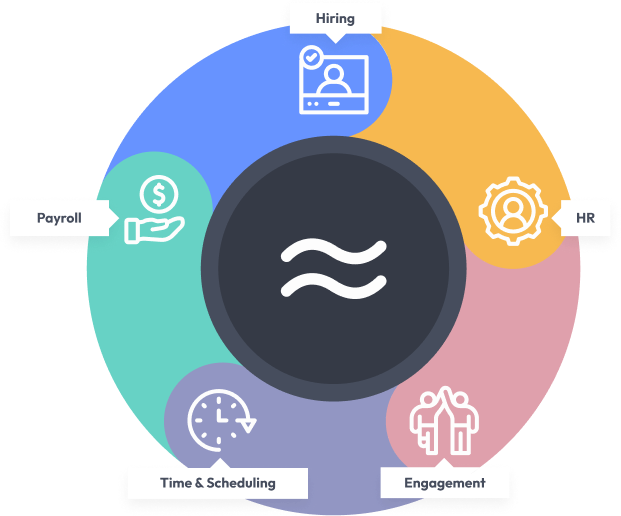

Hiring
Hire better quality workers, faster

HR
Streamline people processes and ensure employee records are always accurate

Engagement
Reduce turnover and increase worker engagement

Time & Scheduling
Manage schedules and hours worked to optimize your labor costs

Payroll
Pay your team quickly, easily, and accurately
resources
Become a hiring and onboarding expert.

Be smart with your hourly workforce
