



How to Hire Mystery Shoppers: Step-by-Step Guide to Recruiting Secret Shoppers
Discover the best tips and strategies to hire mystery shoppers, improve customer experience, and boost your business performance with Workstream’s expert guide.

How to Hire Mystery Shoppers: A Practical Guide for Small Businesses
If you run a restaurant, retail store, or any kind of customer-facing business, you’ve probably wondered: How do I really know what’s happening when I’m not around? Enter the world of mystery shopping. It’s not just a tool for big chains—small business owners can hire mystery shoppers and gain powerful insights, too. But how do you get started, and what should you look out for? Let’s walk through the process, with a few real-world tips, some industry wisdom, and a dash of friendly advice.
Why Mystery Shopping Matters (and Why It’s Not Just for the Big Guys)
Honestly, mystery shopping is like having a secret weapon in your back pocket. You get to see your business through a customer’s eyes—warts and all. Hiring mystery shoppers can reveal gaps in service, highlight star employees, and even catch compliance issues before they snowball into bigger problems.
But here’s the thing: mystery shopping isn’t only about catching mistakes. It’s about building a culture of continuous improvement. When you hire secret shoppers, you’re investing in your team and your customer experience. As employee turnover remains a huge cost in hospitality, keeping your staff motivated and accountable can save you thousands each year.
What Is Mystery Shopping, Really?
Mystery shopping is a form of undercover customer experience research. You send trained individuals—sometimes called secret shoppers—into your business to act like regular customers. They observe, interact, and report back on everything from cleanliness to staff friendliness to speed of service. Their feedback is gold for managers who want to know what’s really going on.
And if you’re thinking, “Isn’t this a little sneaky?”—well, maybe a bit, but it’s all above board. In fact, many top brands use mystery shopping solutions to improve training, reward great service, and identify process hiccups.
How to Hire Mystery Shoppers Without the Headache
Let’s be honest: finding the right mystery shoppers can feel a bit like hiring a magician—someone who blends in but still delivers the goods. Here’s how to do it right:
1. Define Your Goals and What You Want to Measure
- Are you testing speed of service, product quality, or compliance with health codes?
- Do you want feedback on a new menu item, or are you worried about upselling techniques?
- Clear goals help you write better assignments and get actionable results.
For inspiration, check out tips for effective employee handbooks—many of the same principles apply to clear mystery shopping instructions.
2. Choose a Reliable Recruitment Platform
It’s tempting to just post on Craigslist or ask friends, but professional mystery shopping platforms offer vetted shoppers and structured reporting. If you want to hire mystery shoppers quickly and efficiently, consider using a digital platform that specializes in hourly workforce management. Platforms like Workstream let you post jobs, screen candidates, and automate scheduling—all from your phone. This saves time and reduces the risk of “no-shows,” which, if you ask me, is a lifesaver during busy seasons.
For more on hiring hourly workers, see how restaurant hiring software streamlines the process.
3. Screen for Reliability and Attention to Detail
Not everyone is cut out for undercover work. Look for candidates who:
- Have strong written communication skills
- Are punctual and reliable (late reports are useless!)
- Can follow instructions to the letter
- Have experience in your industry, if possible
Consider using pre-employment assessments to test for the right skills. And don’t forget to ask for sample reports or references—just like you would for any other role.
4. Provide Clear Training and Guidelines
Even the best shoppers need direction. Give them a checklist, a script, or a template for their report. If you’re new to this, onboarding templates can help ensure consistency and compliance.
And here’s a quick tip: set expectations for confidentiality and professionalism. Mystery shoppers represent your brand, even if they’re “undercover.”
5. Automate Scheduling and Communication
Managing multiple mystery shoppers can get messy fast. Use tools that let you automate reminders, shift assignments, and feedback collection. Platforms like Workstream offer employee scheduling templates and communication features to keep everyone on track.
Want to see how technology helps teams stay connected? Read about employee communication solutions for the frontline.
Common Pitfalls and How to Dodge Them
Let’s face it, not every mystery shopping program goes off without a hitch. Here are a few common mistakes—and how to avoid them:
- Vague instructions: If your shoppers don’t know what to look for, you’ll get useless data. Be specific!
- Relying on one shopper: One person’s experience isn’t the whole story. Rotate shoppers and compare reports for a fuller picture.
- Ignoring feedback: What’s the point of gathering intel if you don’t act on it? Share results with your team and celebrate improvements.
- Not staying compliant: If your mystery shopping involves recording conversations or sensitive data, check local laws. When in doubt, consult an employment attorney or labor law resource. Disclaimer: This article is for informational purposes only and does not constitute legal advice.
For more on legal compliance and recordkeeping, see the U.S. Department of Labor’s recordkeeping guidelines.
How Mystery Shopping Boosts Employee Engagement
Here’s something you might not expect: mystery shopping can actually improve morale. When employees know their work will be recognized (and not just criticized), they’re more likely to deliver their best. Research shows that engaged hourly workers stay longer and perform better. So, use mystery shopping as a tool for positive reinforcement—not just a “gotcha” moment.
Choosing the Right Mystery Shopping Solution for Your Business
With so many mystery shopping solutions out there, how do you pick? Look for platforms that offer:
- Mobile-first workflows (so shoppers can report in real time)
- Automated scheduling and reminders
- Centralized data management
- Easy integration with your HR or payroll system
For a deeper look at how technology is changing the game, check out Workstream’s platform overview.
And don’t just take my word for it—see how other businesses are using employee engagement strategies to reduce turnover and boost performance.
Recruiting Mystery Shoppers: Best Practices
Recruitment is half the battle. Here are a few ways to attract top-notch secret shoppers:
- Write clear, compelling job posts (see examples here)
- Highlight perks like flexible hours and prompt payment
- Use multiple channels—don’t rely solely on job boards
- Screen for attention to detail and reliability (it’s worth repeating!)
For more on sourcing candidates, read about proactive candidate sourcing.
Bringing It All Together: The Value of Mystery Shopping for Small Businesses
If you’re serious about improving your customer experience, hiring mystery shoppers is a smart move. It’s not just about catching mistakes—it’s about building a better business, one interaction at a time. With the right tools and a thoughtful approach, you can turn undercover feedback into real-world results.
And if you want to make the process painless, platforms like Workstream can help you recruit, schedule, and manage your mystery shopping program—all while keeping your team connected and your data secure.
Ready to see what’s really happening on the floor? Maybe it’s time to bring in a secret shopper or two. You might be surprised at what you discover—and how quickly you can make things better.
Further Reading and Resources
- Learn more about hiring mystery shoppers with Workstream
- Explore Workstream’s full HR and payroll platform
- Check out onboarding templates for new hires
- See creative tips for job postings that attract quality candidates
- Discover how to streamline restaurant hiring with automation
.svg)


All your important HR tasks under one roof
Today’s business owners and HR teams are overwhelmed with administrative tasks: manual processes and exports, duplicative data entry, and siloed information. Workstream centralizes and simplifies people tasks so you can move fast, reduce labor costs, and simplify operations—all in one place.
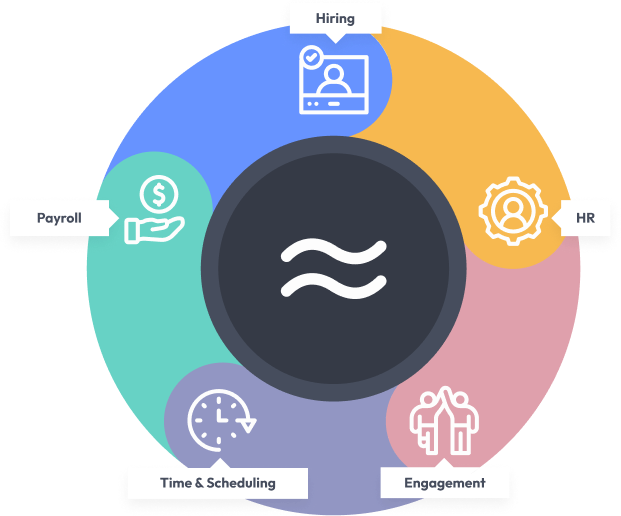

Hiring
Hire better quality workers, faster

HR
Streamline people processes and ensure employee records are always accurate

Engagement
Reduce turnover and increase worker engagement

Time & Scheduling
Manage schedules and hours worked to optimize your labor costs

Payroll
Pay your team quickly, easily, and accurately
resources
Become a hiring and onboarding expert.



Be smart with your hourly workforce
