



How to Hire Retail Sales Consultants: Proven Strategies for Finding Top Retail Talent
Discover the best practices and proven steps to hire retail sales consultants who drive results, enhance customer experience, and boost your store’s success.

How to Hire Retail Sales Consultants: A Practical Guide for Modern Retailers
If you’ve ever tried to hire retail sales consultants, you know it’s not as simple as posting a job and hoping the perfect candidate walks in. Retail is a people-first business, and your frontline staff can make or break the customer experience. So, how do you find retail staff who are reliable, motivated, and ready to drive sales? Let’s talk shop—because honestly, the right approach can save you time, money, and more than a few headaches.
Why Retail Sales Consultants Matter (And Why Turnover Hurts)
Retail sales consultants are the face of your brand. They greet customers, answer questions, and close the deal. But turnover in retail is notoriously high—sometimes it feels like a revolving door, doesn’t it? According to industry reports, high turnover disrupts team morale and drains your budget. The cost to replace a single front-line worker can be thousands of dollars, not to mention the lost sales and customer trust along the way (learn more here).
It’s not just about filling a spot. Understanding why people leave—from poor management to lack of career growth—can help you build a better workplace and keep your best people around longer. And if you ask me, that’s half the battle won.
Building a Winning Retail Sales Team: Where to Start?
Crafting the Right Job Description
Your hiring journey starts with a clear, compelling job description. Be honest about the role, expectations, and what makes your store unique. Need help? Check out these tips for writing handbooks—they work for job descriptions, too. And don’t forget to highlight perks and growth opportunities, as benefits matter more than ever in attracting top talent.
Where to Find Retail Staff
- Leverage online job boards and social media. Platforms like Indeed for Employers are great for reaching a wide pool of candidates.
- Tap into local networks—referrals from current staff can be gold. Learn how referral programs boost hiring.
- Consider seasonal trends—holidays and back-to-school periods bring in fresh talent looking for flexible work.
Screening and Interviewing: Spotting the Standouts
Screening is where you separate the wheat from the chaff. Automated tools like Workstream’s hiring automation can help you filter applicants quickly, saving you hours each week. When it comes to interviews, focus on attitude and cultural fit—skills can be trained, but a positive mindset is priceless (see how top chains do it).
For interview tips, explore motivational interviewing techniques and cultural fit questions to get beyond the surface. And if you’re looking for creative ways to stand out, these recruitment ads might spark some ideas.
Retail Sales Consultant Recruitment: Streamlining the Process
Speed Matters—Don’t Let Great Candidates Slip Away
In retail, timing is everything. The best candidates often get snapped up fast. Automating your retail sales consultant recruitment process can cut your time-to-hire in half. Tools that offer digital onboarding and scheduling templates make it easier for both you and your new hires to hit the ground running.
Onboarding and Training: Setting Up for Success
Don’t skimp on onboarding. A structured process—think checklists, digital forms, and clear expectations—can reduce early turnover and boost engagement (onboarding tips here). For more on why onboarding matters, see these onboarding statistics.
And let’s be real: training isn’t just about product knowledge. It’s about teaching soft skills, customer service, and how to handle tough situations. Effective training sessions can make all the difference.
Retention: Keeping Your Sales Consultants Happy (And Productive)
Why Engagement and Benefits Matter
Want to keep your team around? Focus on engagement and meaningful benefits. According to Harvard Business Review, young hourly workers are more likely to stay when they feel valued and see a path for growth. Flexible schedules, instant pay access, and recognition programs go a long way—here’s how instant pay works.
And don’t underestimate the power of a positive workplace culture. Organizational culture is strongly linked to job satisfaction and lower turnover. If you’re curious about what drives engagement, this survey breaks it down.
Common Pitfalls in Retail Sales Consultant Recruitment
- Rushing the process and hiring out of desperation—this rarely ends well.
- Neglecting onboarding or ongoing training—leads to disengaged staff.
- Failing to offer competitive pay or benefits—top candidates will walk.
- Ignoring feedback from your current team—sometimes they know best.
For more on reducing turnover, check out these robust retention strategies and real cost breakdowns.
Tech Tools for Retail Hiring: Why Workstream Makes Sense
Let’s face it—juggling job postings, interviews, onboarding, and compliance can feel like herding cats. That’s where platforms like Workstream come in. With mobile-first hiring automation, you can post jobs, screen candidates, schedule interviews, and onboard—all in one place. You’ll save time, reduce errors, and—if you ask me—finally get a good night’s sleep.
Don’t just take my word for it. See how Dunkin’ franchisees improved hiring and how Five Guys scaled up with streamlined processes. And if you’re curious about how your pay stacks up, compare hourly wages across companies.
Conclusion: The Secret Sauce to Hiring Retail Sales Consultants
Finding and keeping the right retail sales consultants isn’t rocket science, but it does take intention, the right tools, and a dash of empathy. Focus on clear communication, efficient processes, and genuine care for your people. Automate what you can, but never lose the human touch. And remember, every great team starts with a single great hire—so why not make that next one your best yet?
Want to Learn More?
- Explore restaurant hiring strategies for more industry insights.
- Get inspired by creative job posting tips.
- See how calling out benefits in job descriptions can attract better candidates.
- Read about traits of committed employees to look for in your next hire.
- Discover how onboarding templates can streamline your process.
.svg)


All your important HR tasks under one roof
Today’s business owners and HR teams are overwhelmed with administrative tasks: manual processes and exports, duplicative data entry, and siloed information. Workstream centralizes and simplifies people tasks so you can move fast, reduce labor costs, and simplify operations—all in one place.
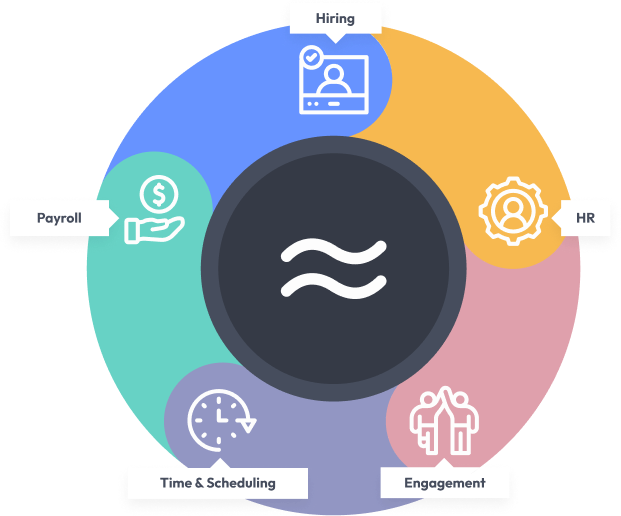

Hiring
Hire better quality workers, faster

HR
Streamline people processes and ensure employee records are always accurate

Engagement
Reduce turnover and increase worker engagement

Time & Scheduling
Manage schedules and hours worked to optimize your labor costs

Payroll
Pay your team quickly, easily, and accurately
resources
Become a hiring and onboarding expert.

Be smart with your hourly workforce
