



How to Hire Patient Care Coordinators: Step-by-Step Guide for Healthcare Employers
Learn how to hire patient care coordinators efficiently with our step-by-step guide, including best practices, interview tips, and key qualifications to find top talent for your team.

How to Hire Patient Care Coordinators: A Practical Guide for Healthcare Businesses
Let’s be honest—finding and keeping great patient care coordinators can feel like searching for a needle in a haystack, especially when the stakes are high and the clock is always ticking. If you’re a clinic manager, HR lead, or small healthcare business owner, you know that a patient care coordinator is the glue holding together the patient experience, provider schedules, and all those little details that make or break a day. So, how do you hire patient care coordinators who will stick around, keep patients happy, and help your business thrive? Let’s break it down, with a few side notes and a dash of real talk.
Why Patient Care Coordinators Matter—And Why It’s So Hard to Find the Right Ones
First things first: patient care coordinators are the heartbeat of any busy medical office or clinic. They juggle appointments, answer patient questions, handle insurance headaches, and keep the front desk running like a well-oiled machine. But here’s the rub—turnover in healthcare admin roles is sky-high, and the cost of hiring the wrong person can be more than just a headache. According to industry data, losing a single front-line employee can cost thousands in lost productivity and rehiring expenses.
So, why is it so tough to find healthcare staff who thrive in these roles? The answer is a mix of high stress, burnout, and sometimes just not having the right tools or support. If you ask me, the secret sauce is a blend of smart recruiting, clear onboarding, and ongoing support—plus a few modern tools to keep things humming along.
What Makes a Great Patient Care Coordinator?
- Strong communication skills—think empathy, patience, and the ability to translate medical jargon into plain English.
- Organizational wizardry—they’re the ones who can keep a dozen balls in the air without breaking a sweat.
- Tech-savvy—comfortable with scheduling software, EMRs, and digital forms.
- Team player—because healthcare is a team sport, not a solo act.
For more on what makes an employee stick, check out this research on engagement and retention—it’s eye-opening, especially for hourly and entry-level roles.
Building a Patient Care Coordinator Recruitment Strategy That Works
Alright, let’s get practical. When you’re ready to recruit patient care coordinators, you need a repeatable, efficient process. Here’s the thing: old-school methods like paper applications and phone tag just don’t cut it anymore. You need to meet candidates where they are—on their phones, online, and ready for quick responses.
Step 1: Write a Clear, Compelling Job Description
Don’t just copy-paste generic templates. Instead, highlight what makes your workplace special and call out benefits and growth opportunities. If you need inspiration, these tips for writing handbooks can be adapted for healthcare settings. And don’t forget to mention flexibility and work-life balance—those are huge selling points, according to this study on employee engagement.
Step 2: Source Candidates Where They’re Looking
Post your job on healthcare-specific boards, but don’t ignore mainstream platforms. Social media recruiting is on the rise—just look at how restaurants are using Instagram to hire hourly workers. And if you want to cast a wider net, check out these free job posting sites to maximize your reach without breaking the bank.
Step 3: Screen for the Right Skills—Fast
Speed matters. According to recruitment benchmarks, top candidates are off the market in days, not weeks. Use screening questions and assessments to filter out unqualified applicants quickly. Platforms like Workstream’s hiring automation can save you hours per week by automating these first steps—honestly, it’s a lifesaver when you’re juggling a million other tasks.
Step 4: Interview for Fit and Growth Potential
Don’t just focus on experience—look for attitude, adaptability, and a genuine desire to help others. For a deeper dive into interview techniques, check out these motivational interviewing tips and cultural fit questions. And if you’re feeling stuck, remember that hiring for attitude and training for skill is a proven formula, as highlighted in this Harvard Business Review article.
Step 5: Onboard Like You Mean It
First impressions matter—a lot. A smooth, digital onboarding process sets the tone for retention and engagement. Consider using these onboarding templates to streamline paperwork and training. For even more impact, check out advice on getting onboarding right.
Common Pitfalls and How to Avoid Them
Now, here’s where things get real. Even the best-laid plans can go sideways if you’re not careful. Here are a few classic mistakes—and how to steer clear:
- Dragging your feet: The best candidates get snatched up fast. Automate your process with tools like Workstream to keep things moving.
- Ignoring compliance: Healthcare is a minefield of regulations. Make sure you’re up to speed on recordkeeping requirements and onboarding documentation.
- Overlooking culture fit: Skills can be taught, but attitude is harder to change. Use creative job postings and targeted interview questions to find the right match.
- Skipping follow-up: A little communication goes a long way. Automated reminders and team-wide announcements (like those built into Workstream’s engagement tools) help keep everyone in the loop and reduce no-shows.
If you want to see how benefits and flexibility can help you recruit medical assistants and other healthcare staff, don’t miss this report on the impact of benefits on recruitment and retention—the lessons translate surprisingly well to healthcare.
How Workstream Makes Patient Care Coordinator Recruitment Easier
Here’s something you might not know: using an all-in-one HR and payroll platform like Workstream can cut your time-to-hire in half and reduce turnover by up to 50%. That’s not just marketing fluff—real businesses are saving thousands every year on administrative costs, lawsuits, and scheduling headaches. And with mobile-first workflows, your team can manage hiring, onboarding, scheduling, and payroll from anywhere—no more chasing paper trails or playing phone tag.
Want to see how it works in the real world? Check out how a Dunkin’ franchisee improved hiring and applicant experience using Workstream’s platform. Or, if you’re curious about the nitty-gritty of hiring patient care coordinators directly, you’ll find plenty of practical details there.
Quick Recap: Your Checklist for Success
- Write a job description that stands out and speaks to what candidates want.
- Source candidates where they’re already looking—think online, mobile, and social.
- Screen and interview for attitude, not just experience.
- Onboard quickly and digitally to boost retention from day one.
- Use tech tools like Workstream to save time, cut costs, and keep your team connected.
Wrapping Up: The Human Side of Healthcare Hiring
If you ask me, hiring patient care coordinators isn’t just about filling a seat—it’s about building a team that cares, communicates, and keeps your business running smoothly. Sure, the process can be a little bumpy (what in healthcare isn’t?), but with the right strategy and a few smart tools, you’ll be well on your way to finding—and keeping—the right people.
And if you ever feel stuck, remember: you’re not alone. There’s a whole community of business owners, managers, and HR pros out there, all working to make healthcare a little more human, one hire at a time.
Related Resources on Workstream
- Discover more about Workstream’s platform for healthcare hiring.
- Find out how to automate your hiring process for hourly and admin roles.
- Explore onboarding templates to welcome new hires the right way.
- See the details for hiring patient care coordinators with Workstream.
- Learn more about Workstream’s mission and how we support small businesses.
.svg)


All your important HR tasks under one roof
Today’s business owners and HR teams are overwhelmed with administrative tasks: manual processes and exports, duplicative data entry, and siloed information. Workstream centralizes and simplifies people tasks so you can move fast, reduce labor costs, and simplify operations—all in one place.
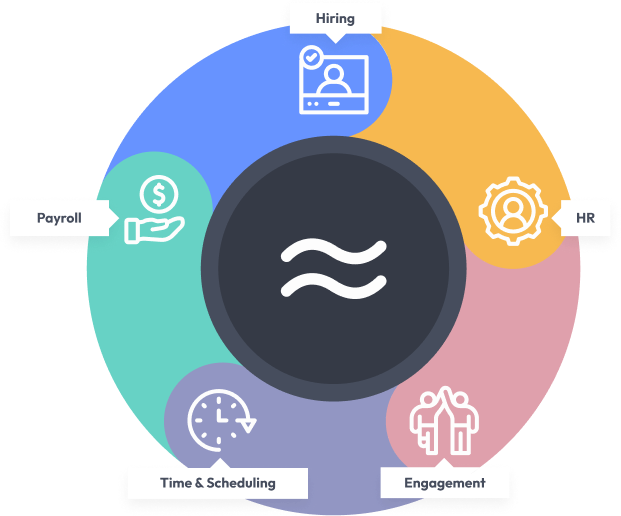

Hiring
Hire better quality workers, faster

HR
Streamline people processes and ensure employee records are always accurate

Engagement
Reduce turnover and increase worker engagement

Time & Scheduling
Manage schedules and hours worked to optimize your labor costs

Payroll
Pay your team quickly, easily, and accurately
resources
Become a hiring and onboarding expert.



Be smart with your hourly workforce
