



How to Hire Sales Clerks: Step-by-Step Guide to Find and Recruit the Best Retail Talent
Discover the best strategies to hire sales clerks efficiently. Learn key steps, interview tips, and best practices for finding top retail talent for your business.

How to Hire Sales Clerks: A Practical Guide for Small Businesses
Hiring the right sales clerks can make or break your business—especially if you’re running a retail shop or franchise where every customer interaction counts. But let’s be real, the process can feel overwhelming. Where do you even start? And how do you make sure you’re not just filling a spot, but actually building a team that keeps customers coming back? Let’s walk through the essentials of how to hire sales clerks and set your business up for success.
Understanding the Role: What Makes a Great Sales Clerk?
Before you post that job ad, it’s worth pausing to think about what you really need in a sales clerk. Sure, you want someone who can ring up sales, but there’s more to it. Great sales clerks are the face of your brand—they’re the folks who greet customers, answer questions, and keep the shelves looking sharp. If you ask me, hiring for attitude and training for skill is a winning formula, as this Harvard Business Review article on fast-food turnover smartly points out.
Think about these key traits:
- Communication skills: Can they connect with customers and team members?
- Reliability: Will they show up on time, every time?
- Flexibility: Retail hours can be unpredictable—are they up for the challenge?
- Teamwork: Are they willing to pitch in wherever needed?
For more on what makes hourly workers stick around, check out this research on engaging young hourly workers—it’s eye-opening.
Recruiting Sales Clerks: Where and How to Find the Best Candidates
Crafting a Standout Job Posting
Your job ad is your first impression. Make it count by being clear about expectations, pay, and growth opportunities. According to SHRM's insights on job ads, including salary ranges and benefits can give you a leg up in the competitive hiring market. And don’t forget to highlight perks—benefits matter more than ever, as this DoorDash report shows.
Need inspiration? Take a look at these job posting examples for ideas that attract quality hourly workers.
Choosing the Right Channels
Where you post matters. Sure, Indeed and Craigslist are classics, but don’t overlook social platforms—Facebook can be a goldmine for local talent, especially in retail. For a fresh approach, see how to use Instagram for hiring hourly workers. And if you want to cast a wider net, these free job posting sites can help you reach more candidates without breaking the bank.
Screening and Interviewing: Finding the Right Fit
Screening resumes is just the start. Look for signs of commitment and reliability—sometimes, a short stint at a previous job isn’t a red flag, but a sign of a bad fit. For interview tips, these motivational interviewing techniques can help you dig deeper. And don’t forget to ask about cultural fit—these interview questions are a lifesaver.
Onboarding and Training: Setting Up Sales Clerks for Success
Streamlining Onboarding
Let’s face it, a clunky onboarding process can scare off even the most eager new hires. A digital, mobile-friendly approach—like what Workstream offers—can reduce onboarding time from hours to minutes. For more onboarding inspiration, check out these onboarding tips and these onboarding templates.
And don’t forget the basics: a clear employee handbook is a must. Sling’s guide to writing an employee handbook is packed with practical advice—even if you’re not running a restaurant.
Training That Sticks
Training isn’t just about learning the register. It’s about building confidence and competence. Here’s how to run effective training sessions that actually engage new sales clerks. And if you want to keep turnover low (who doesn’t?), this Michelin Guide article on employee turnover is a must-read.
Retention and Compliance: Keeping Your Sales Clerks Happy and Your Business Safe
Reducing Turnover
Retail turnover is notoriously high, but it doesn’t have to be your reality. According to industry data, losing a front-line employee can cost a business over $5,800 on average. Ouch. That’s why investing in benefits and perks—even small ones—can pay off big time. For more on the true cost of turnover, see this breakdown and this Modern Restaurant Management analysis.
Want to know what makes employees happy? This survey digs into what keeps retail and restaurant workers engaged. Spoiler: scheduling flexibility and recognition matter more than you think.
Staying Compliant
Don’t let paperwork trip you up. The Department of Labor’s recordkeeping guidelines are a must for every employer. And if you’re looking to streamline compliance, digital solutions like Workstream’s HR platform can help you stay organized and avoid costly mistakes—saving you up to $25,000 a year on lawsuits and fees.
Why Workstream Makes Hiring Sales Clerks Easier
Honestly, if you’re tired of juggling a patchwork of tools, Workstream’s all-in-one platform can be a game-changer. From automated hiring workflows to streamlined onboarding, digital scheduling, and payroll built for hourly teams, it’s designed for businesses just like yours. And with features that cut time-to-hire in half and reduce turnover by up to 50%, you’ll have more time to focus on what matters—building relationships with your team and your customers.
Wrapping Up: Building a Winning Sales Team
Hiring sales clerks isn’t just another item on your to-do list—it’s the foundation of your business’s reputation and growth. By focusing on clear job postings, smart recruiting, thoughtful onboarding, and ongoing engagement, you’ll not only hire sales clerks—you’ll build a team that sticks around and helps your business thrive. And if you’re looking for a little extra help, you know where to find it.
Related Resources on Workstream
- Learn more about hiring automation for retail and hourly roles
- Explore job posting examples to attract top talent
- Get onboarding templates for a smooth start
- See how calling out benefits in job descriptions boosts recruitment
- Contact the team at Workstream for more information or a demo
.svg)


All your important HR tasks under one roof
Today’s business owners and HR teams are overwhelmed with administrative tasks: manual processes and exports, duplicative data entry, and siloed information. Workstream centralizes and simplifies people tasks so you can move fast, reduce labor costs, and simplify operations—all in one place.
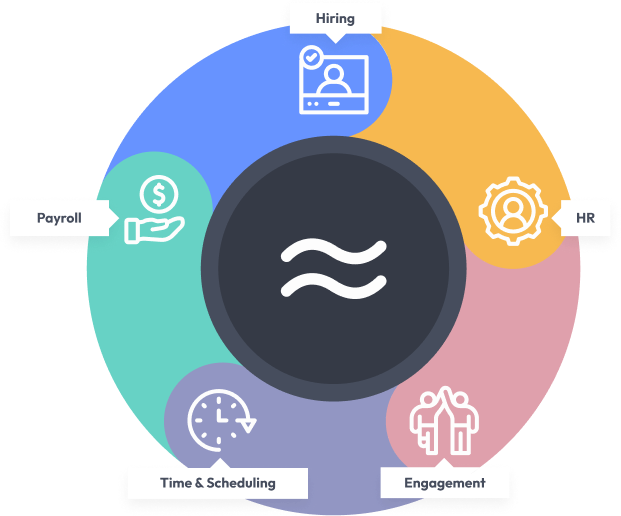

Hiring
Hire better quality workers, faster

HR
Streamline people processes and ensure employee records are always accurate

Engagement
Reduce turnover and increase worker engagement

Time & Scheduling
Manage schedules and hours worked to optimize your labor costs

Payroll
Pay your team quickly, easily, and accurately
resources
Become a hiring and onboarding expert.


Be smart with your hourly workforce
