



How to Hire Groundsmans: Proven Steps to Recruit and Build a Reliable Grounds Crew
Discover the best practices to hire groundsmans efficiently. Learn step-by-step recruitment tips to find, attract, and onboard skilled grounds maintenance staff for your restaurant.

How to Hire Groundsmans: A Down-to-Earth Guide for Building a Winning Grounds Crew
Let’s be honest—finding and keeping reliable grounds crew members isn’t as simple as mowing the lawn on a Saturday morning. If you’re a small business owner, franchisee, or manager in need of a solid team to keep your property looking sharp, you know the stakes. Whether you’re managing a golf course, a bustling park, or a chain of restaurants with outdoor seating, the right people make all the difference. Today, we’ll walk through practical, actionable steps to hire groundsmans and build a landscaping team that sticks around, takes pride in their work, and helps your business thrive.
Why Getting Groundsman Recruitment Right Matters
Here’s the thing: turnover in grounds maintenance can be brutal. According to industry research, high turnover drains your time and your wallet. Losing a single front-line worker can cost thousands, not to mention the headaches of constant recruiting and retraining. That’s why nailing your groundsman recruitment process is essential—not just for your sanity, but for your bottom line.
But it’s not just about cost. The right crew keeps your property safe, your customers happy, and your brand looking top-notch. So, how do you attract and retain the best? Let’s dig in.
Understanding the Role: What Makes a Great Groundsman?
Before you post that job ad, get clear on what you actually need. A top-notch groundsman isn’t just someone who can push a mower; they’re detail-oriented, reliable, and often the first to spot issues before they become expensive problems. If you’re not sure how to write a clear job description, there are great resources to help you outline expectations, necessary skills, and even ADA compliance.
Recruiting Grounds Maintenance Workers: Where to Look and What to Say
Crafting a Job Posting That Attracts the Right Talent
Honestly, a generic job ad won’t cut it. You want to stand out, right? Highlight what makes your company unique—maybe it’s flexible schedules, training opportunities, or a tight-knit team. For inspiration, check out these job posting examples or get creative with engaging recruitment ads.
- Be specific about duties and expectations.
- Mention any perks or benefits—these matter more than you think, especially in hourly roles.
- Use plain language and avoid jargon that might confuse applicants.
Where to Find the Best Candidates
If you ask me, it’s all about meeting people where they are. Post on job boards, but don’t overlook local community centers, trade schools, or even social media platforms like Instagram. And don’t forget employee referrals—sometimes your best hires come from within your own network.
To make things easier (and a lot faster), platforms like Workstream’s hiring automation can help you manage postings, screen applicants, and schedule interviews—all from your phone. That’s a game-changer when you’re juggling a million other tasks.
Streamlining Your Landscaping Team Hiring Process
Screening and Interviewing: Look Beyond the Resume
Let’s face it, resumes only tell part of the story. When you’re hiring for grounds crew roles, attitude and work ethic often matter more than a fancy work history. Consider using pre-employment assessments or structured interviews to get a sense of reliability and fit. For tips on asking the right questions, here are some cultural fit interview questions and motivational interviewing techniques.
Onboarding and Compliance: Don’t Skip the Paperwork
It’s tempting to rush new hires onto the field, but a strong onboarding process pays off. Digital onboarding tools, like those from Workstream, let you collect documents, set expectations, and ensure compliance—without drowning in paperwork. For a deeper dive, check out these onboarding templates and tips for highlighting benefits in job descriptions.
And don’t forget the legal stuff! The Department of Labor has clear guidelines on recordkeeping and wage compliance. Cutting corners here can cost you big—sometimes up to $25K a year in lawsuits and fees, according to industry estimates.
Retaining Your Grounds Crew: The Secret Sauce
Why Retention Is Just as Important as Recruitment
You’ve probably heard horror stories about high turnover in landscaping and grounds maintenance. It’s not just you—hospitality and service industries face the same challenge. But here’s the kicker: small changes can make a huge difference. Offering consistent schedules, recognizing hard work, and providing growth opportunities can cut turnover by half. Don’t believe it? Just look at how top fast-food chains do it.
Keeping Your Team Engaged and Motivated
- Provide regular feedback and recognition—sometimes a simple thank you goes a long way (here’s proof).
- Offer benefits, even for part-time workers. This isn’t just a “nice-to-have”—it’s a proven way to boost retention (see how Starbucks does it).
- Invest in training and development. Not only does this improve skills, but it also shows you care about your crew’s future (training tips here).
And if you’re struggling to keep people engaged, you’re not alone. The majority of hourly workers say they want more than just a paycheck—they want respect, flexibility, and a path forward. That’s where smart scheduling, mobile communication, and digital payroll solutions (like those from Workstream) can make your life a whole lot easier.
Common Pitfalls and How to Avoid Them
Even the best managers slip up now and then. Here are a few traps to watch for when hiring and managing your landscaping team:
- Rushing the process: Take time to screen and onboard properly. It pays off in the long run (see onboarding do’s and don’ts).
- Ignoring compliance: Labor laws are no joke. Stay up to date with legal resources and digital tools.
- Neglecting team culture: A positive work environment can be your best retention tool. Learn more about the link between job satisfaction and turnover.
Conclusion: Build Your Dream Grounds Crew—And Keep Them
Hiring and retaining a reliable landscaping team isn’t rocket science, but it does take intention, the right tools, and a bit of heart. Start by writing clear job descriptions, recruit through multiple channels, and screen for attitude and fit, not just experience. Onboard thoroughly, stay compliant, and—maybe most importantly—treat your crew with respect and appreciation.
And if you’re ready to make your life a whole lot easier, consider how Workstream’s all-in-one HR and payroll platform can streamline your grounds crew recruitment from start to finish. With features built for hourly businesses, you can cut your time-to-hire in half, reduce turnover, and focus on what really matters—growing your business and keeping your property looking its best.
Want to Learn More?
- Explore tips for hiring hourly workers
- See how committed employees can transform your team
- Discover how to highlight benefits in your job postings
- Read up on onboarding templates for new hires
- Find out more about Workstream’s mission and platform
.svg)


All your important HR tasks under one roof
Today’s business owners and HR teams are overwhelmed with administrative tasks: manual processes and exports, duplicative data entry, and siloed information. Workstream centralizes and simplifies people tasks so you can move fast, reduce labor costs, and simplify operations—all in one place.
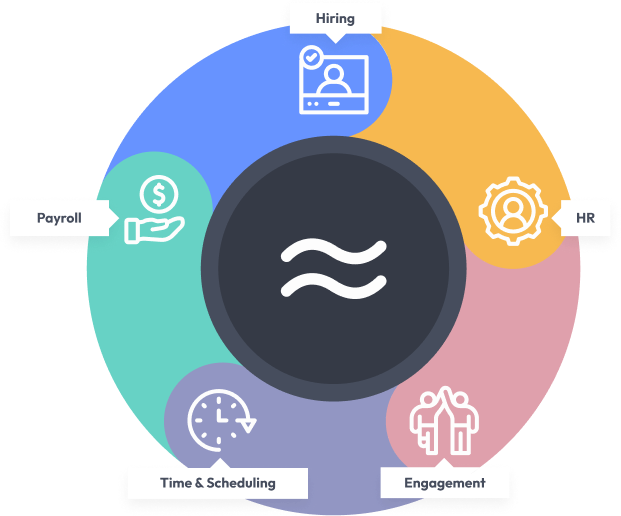

Hiring
Hire better quality workers, faster

HR
Streamline people processes and ensure employee records are always accurate

Engagement
Reduce turnover and increase worker engagement

Time & Scheduling
Manage schedules and hours worked to optimize your labor costs

Payroll
Pay your team quickly, easily, and accurately
resources
Become a hiring and onboarding expert.



Be smart with your hourly workforce
