



How to Hire House Sitters: Step-by-Step Guide for Homeowners, Business Owners, and Busy Families
Discover the best ways to hire house sitters, from posting jobs to interviewing candidates. Ensure your home’s safety with our expert hiring tips for homeowners.

How to Hire House Sitters: The Ultimate Guide for Small Business Owners and Busy Households
Ever gone on vacation and spent half your time worrying if your plants are parched or your dog is plotting an escape? If you ask me, the peace of mind from knowing you’ve found the right person to watch over your home is worth its weight in gold. Whether you’re a franchisee, a restaurant owner heading to a trade show, or just a busy family, learning how to hire house sitters (and find pet sitters you can trust) is a skill that pays off—literally and emotionally. Let’s talk practical steps, common pitfalls, and how technology is making this easier than ever.
Why House Sitters Matter: More Than Just Watering the Plants
House sitting isn’t just about keeping the lights on. It’s about protecting your investment, maintaining routines for your pets, and even deterring break-ins. For business owners, especially those with multiple locations or rental properties, reliable house sitting services can be the difference between a relaxing trip and a string of frantic phone calls.
And let’s not forget the emotional side—pets get anxious, plants wilt, and even the best security system can’t scoop a litter box. That’s where professional house sitters come in, offering a blend of responsibility, flexibility, and genuine care. If you’re in the hospitality or food service world, you already know how valuable it is to have someone you trust handling things behind the scenes. The same goes for your home.
Step-by-Step: How to Hire House Sitters Who Won’t Let You Down
1. Define Your Needs—And Be Honest About Them
Before you start your search, jot down exactly what you need. Is it just plant watering, or do you need someone to handle mail, feed pets, and manage deliveries? The more specific, the better. Some folks even want daily updates or video calls with their furry friends—no judgment here!
2. Where to Find Pet Sitters and House Sitting Services
- Word of Mouth: Ask friends, neighbors, or your local business network. Personal recommendations are gold.
- Online Platforms: There are dedicated sites for house sitting services and pet care. Look for platforms with background checks and verified reviews.
- Social Media: Don’t underestimate your neighborhood Facebook group or local community boards. Sometimes the best sitters are just down the street.
For business owners, consider leveraging hiring automation tools to streamline the process, especially if you need sitters for multiple properties or recurring gigs.
3. Screening and Interviewing: Trust, But Verify
Here’s the thing—gut feeling matters, but so does due diligence. Ask for references, check reviews, and conduct a quick interview. Some smart questions:
- What’s your experience with pets (if relevant)?
- How do you handle emergencies?
- Are you comfortable with security cameras or alarm systems?
For a deeper dive, check out these motivational interviewing techniques to help you get to know your candidates better.
4. Set Clear Expectations—In Writing
Don’t just shake hands and hope for the best. Create a written agreement outlining duties, schedules, pay, and emergency contacts. If you’re running a business, this is doubly important for compliance and liability reasons. The same principles that apply to a restaurant employee handbook work for house sitters, too—clarity prevents confusion.
5. Onboarding and First Day Walkthrough
Sound a little formal? Maybe, but walking your sitter through the house, pointing out quirks (like that one window that sticks), and reviewing routines can make all the difference. If you’re managing multiple properties, consider digital checklists or onboarding templates—like these—to keep things organized and repeatable.
What to Look for in Professional House Sitters
Red Flags and Green Lights
- Green Lights: Strong references, clear communication, relevant experience, and a willingness to follow instructions.
- Red Flags: Vague answers, reluctance to provide references, or a lack of insurance (for pros).
Professional sitters should be able to demonstrate reliability. If you’re hiring through a platform, check if they offer insurance or bonding. For business owners, this is non-negotiable.
Paying for Peace of Mind
Rates vary, but remember: cheap isn’t always cheerful. The real cost of turnover—even in house sitting—can be high if things go wrong. Sometimes, paying a little more for a pro with great reviews is worth every penny.
Technology, Trends, and Tips for the Modern House Sitter Search
Leveraging Tech to Find Pet Sitters and House Sitters
It’s 2024, and yes, there’s an app for that. Platforms like Workstream are changing how we hire for hourly and gig roles, making it easier to find qualified sitters quickly and securely. Automated background checks, digital contracts, and mobile notifications mean you can manage everything from your phone—no more sticky notes on the fridge.
For business owners, integrating your HRIS system with your hiring process can save time and reduce errors. And if you’re juggling multiple locations, tools like 24-hour schedule templates can help you keep track of who’s where, when.
Legal and Compliance Considerations
Let’s not get caught off guard—if you’re paying someone to watch your house or pets, you may need to consider wage and recordkeeping requirements, especially for regular gigs. For business owners, compliance is key; using a platform that automates documentation (like Workstream) can save you headaches—and potentially thousands in legal fees. Disclaimer: Always check local labor laws or consult an attorney if you’re unsure.
Common Pitfalls and How to Avoid Them
- Skipping the background check—don’t do it, even if your neighbor swears by them.
- Assuming “cheaper” means “just as good.” Sometimes you really do get what you pay for.
- Not clarifying expectations—miscommunications lead to missed feedings, wilted plants, and unhappy returns.
And here’s a tip: if you’re hiring for the first time, use a clear, creative job posting to attract the right candidates. Highlight perks, flexibility, and any unique quirks of your home or pets. You’d be surprised how much the little details matter.
Conclusion: Hiring House Sitters Doesn’t Have to Be a Headache
Honestly, finding the right house sitter—or pet sitter—can feel like searching for a needle in a haystack. But with a bit of planning, the right tools, and a dash of common sense, you’ll be able to travel or focus on your business without that nagging worry. Remember, whether you’re a seasoned franchisee or a first-time homeowner, investing in professional house sitters pays off in peace of mind and happier returns.
And if you want to make the process even easier, consider using a platform like Workstream to manage your hiring, onboarding, and scheduling. It’s built for busy people who don’t have time for guesswork—just results.
Want More Tips?
- Explore how onboarding templates can streamline your process.
- See how Workstream’s mobile-first platform helps with hiring and compliance.
- Check out creative job posting tips to attract top talent.
- Read about HRIS analyst roles for more on HR tech trends.
- Learn how Workstream can help you find the right hourly workers for any job.
.svg)


All your important HR tasks under one roof
Today’s business owners and HR teams are overwhelmed with administrative tasks: manual processes and exports, duplicative data entry, and siloed information. Workstream centralizes and simplifies people tasks so you can move fast, reduce labor costs, and simplify operations—all in one place.
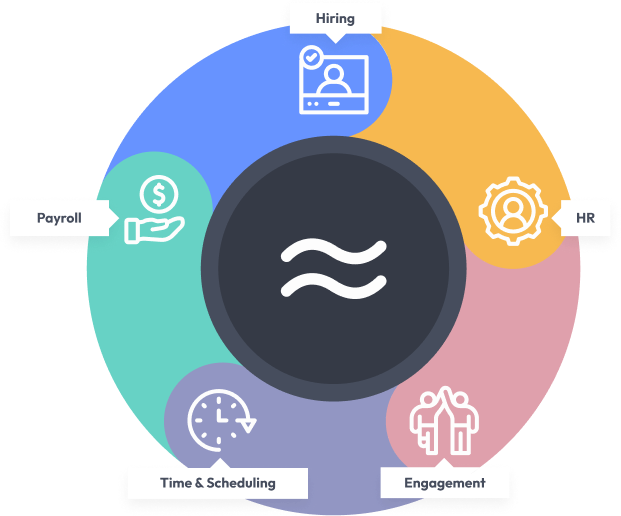

Hiring
Hire better quality workers, faster

HR
Streamline people processes and ensure employee records are always accurate

Engagement
Reduce turnover and increase worker engagement

Time & Scheduling
Manage schedules and hours worked to optimize your labor costs

Payroll
Pay your team quickly, easily, and accurately
resources
Become a hiring and onboarding expert.



Be smart with your hourly workforce
