



How to Hire Mall Security Guards: Step-by-Step Process for Safe and Secure Shopping Centers
Learn how to hire mall security guards with our step-by-step guide. Discover best practices, tips, and requirements to build a reliable mall security team.

How to Hire Mall Security Guards: A Practical Guide for Business Owners
If you run a shopping center, you know mall security staff are the unsung heroes who keep things running smoothly. But figuring out how to hire mall security guards who are reliable, alert, and customer-friendly? That can feel like trying to find a needle in a haystack. Let’s break down what really matters when you’re looking to recruit security guards for your property—and how to make the process less of a headache and more of a win for your business.
Why Mall Security Matters More Than Ever
Shopping malls are bustling hubs, and with that energy comes a need for top-notch security personnel. Not only do they deter theft and vandalism, but they also help shoppers feel safe—a must for keeping your tenants happy and your foot traffic steady. High turnover in any role is costly, but when it comes to mall security services, the stakes are even higher. The wrong hire can mean lapses in safety, legal headaches, and a tarnished reputation.
What’s at Stake?
- Safety: Guards are your first line of defense against incidents.
- Customer Experience: Friendly, visible staff reassure shoppers.
- Compliance: Security teams help you stay on the right side of the law—think ADA, emergency protocols, and more.
Honestly, if you ask me, investing in the right team is non-negotiable. But how do you actually hire mall guards who fit the bill?
Building a Winning Security Team: Steps to Success
1. Define the Role Clearly
Before you post a job ad, get specific about what you need. Are you looking for someone to patrol parking lots, monitor cameras, handle customer disputes, or all of the above? Well-crafted job descriptions attract the right candidates and set clear expectations from day one.
2. Look for the Right Qualities
- Alertness and Integrity: You want guards who are sharp and honest. No exceptions.
- Communication Skills: Security personnel need to de-escalate situations and interact with the public.
- Physical Fitness: It’s not just about looking the part—they may need to act quickly in emergencies.
Remember, hiring for attitude and training for skill can pay off big time.
3. Source Candidates Effectively
Gone are the days when a “Help Wanted” sign in the window did the trick. Use digital recruiting platforms and consider posting on Indeed or leveraging social media for a wider reach. And don’t underestimate the power of employee referrals—your current team often knows who’d be a good fit.
4. Screen and Interview Thoroughly
Background checks are a must. You want to be sure your new hire has a clean record and the right certifications. During interviews, ask scenario-based questions—“What would you do if…?”—to gauge their judgment. For more tips, check out motivational interviewing techniques and cultural fit questions that reveal how candidates might handle real-life situations.
Compliance, Training, and Retention: Don’t Drop the Ball
Stay on the Right Side of the Law
Security guards are subject to local and federal regulations. Make sure you’re up to speed on recordkeeping requirements and licensing laws in your area. And don’t forget about ADA compliance—accommodate staff with disabilities as needed. If you’re unsure, consult resources like JAN for guidance.
Onboarding and Ongoing Training
Don’t just toss new hires the keys and hope for the best. A structured onboarding process—like the ones described in this Forbes onboarding guide—can make all the difference. Regular training on emergency procedures, customer service, and tech tools keeps your team sharp and engaged. For practical onboarding templates, visit Workstream’s onboarding resources.
Retention: Keep Your Best Guards
Turnover in security roles can be brutal for your bottom line. According to industry research, losing a front-line employee costs thousands in recruiting and training. To keep your best people, offer competitive pay, meaningful benefits, and opportunities for advancement. Benefits packages and growth paths are proven to boost retention. And don’t forget about flexible scheduling—tools like Workstream’s scheduling platform can help you keep shifts covered without burning out your staff.
Common Pitfalls and How to Avoid Them
The Usual Suspects
- Rushed Hiring: Filling a gap fast can lead to poor fits. Take your time, even if you’re short-staffed.
- Neglecting Training: Even experienced guards need to learn your mall’s unique needs.
- Ignoring Culture: Security teams should mesh with your broader staff and customer base.
Honestly, it’s tempting to cut corners, but the long-term costs just aren’t worth it. If you’re feeling overwhelmed, remember you don’t have to go it alone—platforms like Workstream can help automate hiring, onboarding, and scheduling, saving you time and reducing turnover by half. That’s not just a sales pitch; it’s a real game-changer for busy managers juggling a million things at once.
Conclusion: Building a Safer, Happier Mall
Hiring the right mall security staff isn’t just about ticking boxes—it’s about creating an environment where shoppers, tenants, and employees all feel safe. From crafting clear job descriptions to investing in onboarding and retention, every step matters. And with the right tools and a little know-how, you can build a team that not only protects your property but also boosts your mall’s reputation and bottom line.
If you’re ready to take your security hiring to the next level, consider exploring Workstream’s platform for streamlined recruiting, onboarding, and scheduling. It’s one less thing to worry about—so you can focus on what really matters: running a thriving, secure business.
Further Reading from Workstream
- Discover onboarding templates for a smooth start
- Learn more about hiring automation to save time and reduce turnover
- Check out scheduling solutions for shift flexibility
- Explore tips for highlighting benefits in your job ads
- See how great managers lead effective teams
.svg)


All your important HR tasks under one roof
Today’s business owners and HR teams are overwhelmed with administrative tasks: manual processes and exports, duplicative data entry, and siloed information. Workstream centralizes and simplifies people tasks so you can move fast, reduce labor costs, and simplify operations—all in one place.
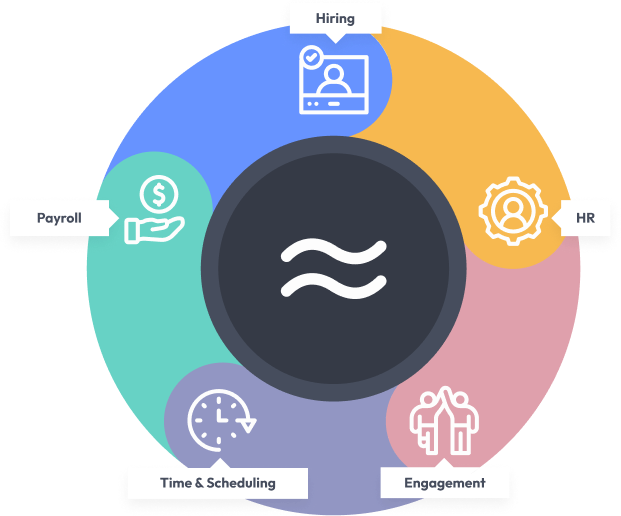

Hiring
Hire better quality workers, faster

HR
Streamline people processes and ensure employee records are always accurate

Engagement
Reduce turnover and increase worker engagement

Time & Scheduling
Manage schedules and hours worked to optimize your labor costs

Payroll
Pay your team quickly, easily, and accurately
resources
Become a hiring and onboarding expert.



Be smart with your hourly workforce
