



How to Hire Certified Diabetes Educators: Streamline Your Staffing Process
Streamline how you hire certified diabetes educators with Workstream’s all-in-one platform—making it easy to recruit, onboard, and manage top diabetes education staff efficiently.

How to Hire Certified Diabetes Educators: A Practical Guide for Small Business Owners
If you’re running a clinic, pharmacy, or community health program, figuring out how to hire certified diabetes educators can feel like searching for a needle in a haystack—especially when you’re juggling payroll, compliance, and the daily grind. But here’s the thing: bringing on the right diabetes educator isn’t just about ticking a box for patient care; it’s about building trust, improving outcomes, and making your business stand out in a crowded market. Let’s unpack what matters most, what pitfalls to watch for, and how you can make the whole process less of a headache (and maybe even a little rewarding).
Why Hiring Certified Diabetes Educators Matters—And Who Needs One?
First off, let’s get clear on why you’d want to hire diabetes educators with credentials. The American Diabetes Association and CDC both recommend certified educators for patient education because they know the science—and how to explain it in plain English. If you ask me, that’s half the battle won.
- Better Patient Outcomes: Studies show that patients working with certified educators have improved blood sugar control and fewer complications (explore key skills for healthcare roles).
- Regulatory Compliance: Many insurance programs require certified staff for reimbursement. Skipping this step could mean leaving money on the table (get practical legal solutions for employers).
- Community Trust: Having certified educators builds your reputation—crucial for small-town clinics and local pharmacies alike.
Honestly, if you’re in healthcare or wellness, you can’t afford not to find certified diabetes education staff. But recruiting them? That’s where things get tricky.
The Real-World Challenges of Diabetes Educator Staffing
The Talent Shortage Is Real
The pool of certified diabetes educators isn’t exactly overflowing. According to recent staffing industry statistics, demand for specialized health professionals is outpacing supply. So, what does that mean for your business? You’ll need to get creative—and fast.
Credentialing and Compliance: No Room for Guesswork
You can’t just slap “educator” on a nametag and call it good. Most states require specific certifications—often from organizations like the Society for Human Resource Management (SHRM) or the National Certification Board for Diabetes Educators (NCBDE). Miss a step here, and you could face fines or lose insurance contracts. Not fun.
The Hidden Costs of Turnover
If you think turnover is just a big-company problem, think again. Losing a diabetes educator can cost thousands in hiring and retraining—plus lost revenue from disrupted patient care (see how turnover impacts your bottom line). That’s why retention strategies matter as much as recruiting.
How to Recruit Certified Educators Without Losing Your Mind (or Your Wallet)
Step 1: Write Job Descriptions That Attract the Right Talent
Your job posting is your handshake. Make it count! Highlight not just the required certifications, but also growth opportunities, flexible schedules, and benefits. For inspiration, check out these job posting examples tailored for hourly workers.
- Call Out Benefits: Mention perks like continuing education stipends or instant pay access (tips for highlighting benefits in job descriptions).
- Be Specific About Credentials: List accepted certifications up front so you don’t waste time screening unqualified applicants (guidance on developing effective job descriptions).
- Showcase Company Culture: Candidates want to know they’ll be supported—especially in high-stress healthcare roles (why company culture matters).
Step 2: Use Smart Tools to Streamline Recruiting
If you’re still sorting resumes by hand or playing phone tag to schedule interviews, you’re wasting precious hours. Platforms like Workstream’s hiring automation suite can cut your time-to-hire by half—seriously. Automated screening, digital workflows, and mobile-friendly onboarding mean you spend less time on paperwork and more time connecting with candidates who actually fit.
- Automated Interview Scheduling: No more back-and-forth emails. Let technology handle the logistics (see how social media tools speed up hiring).
- Compliance Tracking: Keep digital records of certifications and training for audits (DOL recordkeeping guidance).
- Reduce No-Shows: Automated reminders help ensure candidates actually show up (traits to look for in reliable hires).
Step 3: Interview Like a Pro (But Don’t Forget the Human Touch)
You want someone who knows their stuff—but also someone who can connect with patients from all walks of life. Use structured interview questions (like the STAR method) and sprinkle in some culture-fit questions (cultural fit interview tips). Don’t be afraid to ask about real-world scenarios—like handling non-compliant patients or explaining complex topics in simple terms.
If you’re new to interviewing or just want a refresher, check out this guide to effective training sessions. It’s packed with practical advice that applies well beyond healthcare.
Step 4: Onboard and Retain—Because Training Never Really Ends
The first few weeks are make-or-break. A clunky onboarding process can send new hires running for the hills. Consider using digital onboarding templates (onboarding templates for new hires) and assign mentors to help new educators settle in.
- Continuous Training: Healthcare changes fast—so should your training (stay updated on HRIS certification trends).
- Recognition and Growth: Celebrate milestones and offer paths for advancement (recognizing work anniversaries boosts morale).
- Flexible Scheduling: Work-life balance is key to retention (how flexible scheduling improves retention).
Troubleshooting Common Pitfalls When You Hire Certified Diabetes Educators
Pitfall #1: Rushing the Process
I get it—you need help yesterday. But hiring in a hurry often leads to mismatched expectations or compliance headaches. Take the time to verify credentials through recognized boards (SHRM certification resources) and check references thoroughly.
Pitfall #2: Neglecting Team Fit
A rockstar educator who clashes with your existing staff can do more harm than good. Foster teamwork from day one (tips to improve teamwork in the workplace) and encourage open communication between departments.
Pitfall #3: Underestimating Compensation Trends
Salaries for healthcare specialists are rising fast. Stay competitive by benchmarking pay rates (latest compensation research from Robert Half) and offering creative perks like instant pay access (how instant pay access attracts talent). Remember, sometimes it’s not just about money—it’s about respect and opportunity.
The Subtle Power of Smart Systems: Why Workstream Makes Sense for Diabetes Educator Staffing
If you’re still managing hiring with spreadsheets or sticky notes, you’re doing it the hard way. Modern HR platforms like Workstream’s all-in-one platform are built for businesses juggling hourly and credentialed roles alike. With features like automated screening, digital onboarding, compliance management, and integrated payroll—all designed for businesses like yours—you can recruit certified educators faster, keep them engaged, and stay ahead of compliance headaches.
- Cut Time-to-Hire in Half: Automated workflows mean less waiting around (see how Dunkin' improved hiring speed with Workstream).
- Avoid Costly Mistakes: Digital document storage keeps you audit-ready at all times.
- Create a Better Experience: Mobile-friendly onboarding makes life easier for both managers and new hires.
If you’re serious about building a resilient team—and saving yourself a few gray hairs along the way—consider giving these tools a look.
A Final Word: Building Trust, One Educator at a Time
The journey to hire certified diabetes educators isn’t just about filling a position—it’s about investing in your business’s future and your community’s health. Sure, there will be challenges (and probably a few surprises), but with clear goals, smart systems, and a bit of patience, you’ll build a team that truly makes a difference.
If you’re ready to move forward or just want to see what modern hiring could look like for your business, explore more at Workstream’s About page. Or check out their latest insights on HR statistics that matter for small businesses, learn about franchise growth stories like Five Guys, or dive into guides on onboarding templates that work.
Disclaimer: Always consult with legal counsel or HR professionals regarding credentialing requirements and employment law before making hiring decisions.
.svg)


All your important HR tasks under one roof
Today’s business owners and HR teams are overwhelmed with administrative tasks: manual processes and exports, duplicative data entry, and siloed information. Workstream centralizes and simplifies people tasks so you can move fast, reduce labor costs, and simplify operations—all in one place.
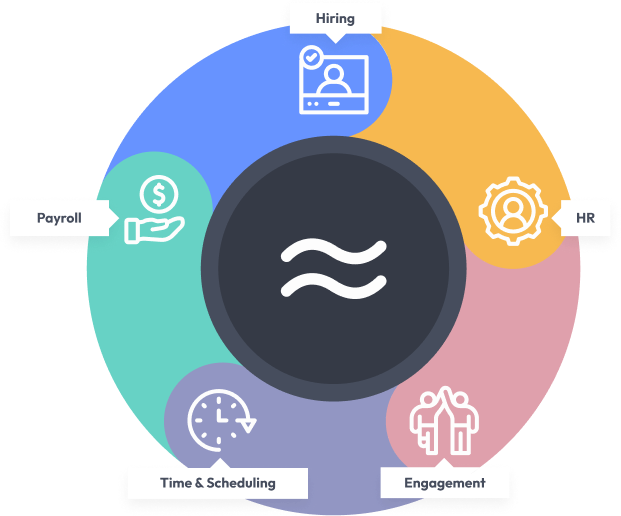

Hiring
Hire better quality workers, faster

HR
Streamline people processes and ensure employee records are always accurate

Engagement
Reduce turnover and increase worker engagement

Time & Scheduling
Manage schedules and hours worked to optimize your labor costs

Payroll
Pay your team quickly, easily, and accurately
resources
Become a hiring and onboarding expert.

Be smart with your hourly workforce
