



How to Hire QA Technicians: Proven Steps to Attract, Recruit, and Retain Top Talent
Discover the best practices to hire QA technicians efficiently. Learn step-by-step strategies to attract, assess, and onboard top QA talent for your restaurant or hospitality business.

How to Hire QA Technicians: A Practical Guide for Small Businesses
Let’s face it—finding the right people for your business can feel like searching for a needle in a haystack, especially when you need to hire QA technicians. Whether you’re running a bustling restaurant, a manufacturing line, or a franchise with a reputation to uphold, quality assurance is the glue that keeps your operation running smoothly. But how do you hire quality assurance technicians who won’t just punch the clock, but actually care about your brand’s reputation? Let’s break it down, step by step, with a few real-world digressions and a dash of practical wisdom.
What Makes a Great QA Technician?
Understanding the Role
Before you even start your qa technician recruitment, it’s crucial to know what you’re looking for. A quality assurance technician isn’t just a box-checker—they’re the last line of defense between your product and a disappointed customer. According to research on job satisfaction and turnover, employees who feel their work matters are more likely to stick around and deliver results.
- Attention to detail: The best QA techs catch issues others miss.
- Problem-solving mindset: They don’t just spot problems—they help fix them.
- Communication skills: Can they explain issues clearly to the team?
- Technical know-how: Depending on your industry, this could mean anything from food safety certifications to experience with digital tools.
If you’re in food service, for example, hiring someone with a food handler certificate can be a game-changer for compliance and safety.
Writing a Standout Job Description
Honestly, if your job posting sounds like every other ad out there, you’ll attract the same old applicants. Instead, highlight what makes your business unique and what you expect from your QA team. For inspiration, check out these job posting examples or learn how to write an effective employee handbook that sets the tone for your workplace culture.
Recruiting and Attracting the Right QA Talent
Where to Find Top Candidates
Finding quality control technicians isn’t just about posting on job boards and hoping for the best. You’ve got to meet candidates where they are—sometimes literally. Did you know that many restaurant owners get leads from Facebook? Social media, referrals, and even Instagram job postings can help you reach a wider net of potential hires.
For a more targeted approach, consider using platforms that specialize in hiring automation and hourly workforce management. These tools can help you screen, schedule, and communicate with candidates—all from your phone. It’s a real time-saver, especially if you’re juggling a dozen other hats.
Screening and Interviewing: Don’t Skip the Details
When it comes to qa technician recruitment, a little extra effort in screening goes a long way. Use pre-employment assessments or structured interview guides like the STAR method to evaluate candidates’ real-world problem-solving skills.
And don’t forget to ask cultural fit interview questions—after all, you want someone who meshes well with your team, not just someone who can check boxes on a form.
Onboarding and Retaining Your QA Technicians
Streamlining the Onboarding Process
Let’s be real: onboarding can be a headache, but it doesn’t have to be. With digital onboarding tools like these onboarding templates, you can get new hires up to speed in record time. This not only reduces paperwork but also helps you stay compliant with recordkeeping requirements from the Department of Labor.
Fast onboarding also means your QA techs can start making a difference right away—no more waiting around for someone to find the right forms or explain the safety protocols for the third time that week.
Keeping Your QA Team Engaged
Retention is the name of the game. High turnover in QA roles can be costly, both in terms of dollars and reputation. According to Michelin Guide’s analysis on turnover and Harver’s research, the cost of losing a frontline employee can be staggering. That’s why it’s so important to invest in engagement and growth opportunities.
- Offer clear paths for advancement—nobody wants to feel stuck.
- Provide meaningful benefits; benefits can make or break your retention strategy.
- Use recognition programs to celebrate milestones.
- Keep communication open with effective team communication tools.
And if you’re worried about compliance or payroll headaches, an all-in-one solution like Workstream can help you manage everything from scheduling to instant pay access—making life easier for both you and your team.
Common Pitfalls and How to Avoid Them
Don’t Rush the Process
It’s tempting to fill a QA role quickly, especially if you’re feeling the pinch. But hiring in a hurry often leads to higher turnover and more headaches down the road. According to Notch’s breakdown of turnover costs, the average cost of losing an employee can run into the thousands—ouch.
Neglecting Training and Development
Even the best QA technicians need ongoing training. Don’t let your standards slip—invest in effective training sessions and keep your team sharp. And if you’re not sure where to start, building a strong operations manual can provide a solid foundation.
Overlooking Culture and Fit
Here’s the thing: technical skills matter, but so does attitude. A QA technician who doesn’t mesh with your team can create more problems than they solve. Take a page from HBR’s case study on low turnover—sometimes, hiring for attitude and training for skill is the winning formula.
Conclusion: Building a Strong QA Team for the Long Haul
Hiring the right QA technicians isn’t just about plugging a hole in your roster—it’s about setting your business up for long-term success. By focusing on clear job descriptions, targeted recruitment, thorough onboarding, and ongoing engagement, you’ll build a team that not only keeps your quality high but also helps your business thrive.
If you’re ready to make your next hire or want to streamline your process, consider exploring Workstream’s hiring automation tools and integrated HR platform. For more tips on restaurant hiring, committed employees, or calling out benefits in job descriptions, check out our blog for practical, real-world advice that works as hard as you do.
.svg)


All your important HR tasks under one roof
Today’s business owners and HR teams are overwhelmed with administrative tasks: manual processes and exports, duplicative data entry, and siloed information. Workstream centralizes and simplifies people tasks so you can move fast, reduce labor costs, and simplify operations—all in one place.
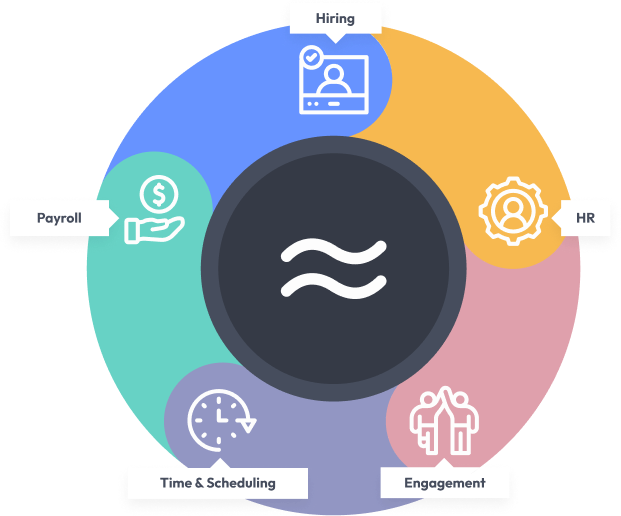

Hiring
Hire better quality workers, faster

HR
Streamline people processes and ensure employee records are always accurate

Engagement
Reduce turnover and increase worker engagement

Time & Scheduling
Manage schedules and hours worked to optimize your labor costs

Payroll
Pay your team quickly, easily, and accurately
resources
Become a hiring and onboarding expert.



Be smart with your hourly workforce
