



How to Hire Aromatherapists: A Practical Guide for Wellness Centers and Spas
Discover proven strategies to hire aromatherapists who elevate your spa or wellness center—streamline recruitment, onboarding, and retention with Workstream.

How to Hire Aromatherapists: A Practical Guide for Wellness Centers, Spas, and Small Businesses
Let’s be real—finding the right aromatherapist for your spa or wellness center isn’t as simple as picking a name out of a hat. The aromatherapy staff you choose will shape your business’s reputation, client experience, and even your bottom line. Whether you’re running a bustling urban spa, a cozy massage studio, or a growing wellness franchise, understanding how to hire aromatherapists who truly fit your vision is absolutely crucial.
The Role of Aromatherapists in Modern Wellness Businesses
Before you get knee-deep in resumes and interviews, let’s talk about what makes a great aromatherapist tick. These professionals blend science with sensory intuition—think of them as part artist, part health advocate. They aren’t just there to make things smell nice; they’re trained to use essential oils for therapeutic results, often working alongside massage therapists, estheticians, and other holistic practitioners.
Honestly, if you ask me, the best aromatherapy staff are those who can connect with clients on a personal level while also maintaining strict safety and sanitation standards. For more on the importance of sanitation in wellness settings, see this guide to best sanitizer solutions.
Why Aromatherapy Staff Are in High Demand
- Rising interest in holistic health and natural therapies
- Expansion of wellness center recruitment nationwide
- Growing consumer awareness of stress management and mental well-being
If you’re running a spa or wellness franchise, you know that turnover can be a real headache. According to recent research, high employee churn rates are plaguing the hospitality industry—costing time, money, and client trust. Get the full scoop on why turnover is so costly and explore potential solutions.
What to Look for When Hiring Aromatherapists
So what separates a “just okay” hire from an absolute gem? Here’s the thing: credentials matter, but so does attitude. You want someone who’s certified (ideally through a reputable program), but also someone who brings empathy and adaptability to your team. If you’re not sure what makes a great team member, check out these traits of committed employees.
Essential Qualifications and Certifications
- Formal aromatherapy training: Look for candidates with recognized certifications or diplomas.
- Experience in spa or wellness environments: Prior work in massage therapy or holistic health is a big plus.
- Knowledge of safety protocols: Essential oils are potent—your staff must know proper dilution and contraindications.
- Soft skills: Compassion, communication, and adaptability are non-negotiable.
Curious about how to structure job descriptions that attract top talent? You’ll want to highlight perks, flexibility, and growth opportunities. For inspiration, see these job posting examples and tips for calling out benefits in your job ads.
Legal and Compliance Considerations
Don’t forget—there are compliance boxes to check. Depending on your state or city, aromatherapists may need specific licenses or background checks. Always review local labor laws and keep accurate records; the U.S. Department of Labor provides a handy recordkeeping guide. And if you’re hiring part-time staff, brush up on your knowledge on benefit eligibility rules.
Disclaimer: This article does not constitute legal advice. Always consult a qualified HR professional or attorney for compliance guidance in your location.
Sourcing Candidates: Where to Find Top Aromatherapy Talent
Now comes the fun (and sometimes frustrating) part: actually finding people who want to join your team. Sure, you could post on the usual job boards, but why not get creative? Many successful spas recruit through social media—Instagram is surprisingly effective for reaching younger talent. Learn how to boost your reach with these Instagram hiring tips.
Tapping Into Niche Communities and Networks
- Professional associations: Groups like NAHA (National Association for Holistic Aromatherapy) often have job boards or networking events.
- Wellness schools and training programs: Build relationships with local certification programs.
- Employee referrals: Your current staff may know talented peers looking for new opportunities.
- Digital recruiting platforms: Consider using modern tools designed for hourly hiring—see how Workstream’s hiring automation can help streamline your search.
If you’re struggling to get enough applicants, don’t miss these strategies for proactively finding candidates, or check out the latest recruitment marketing benchmarks.
The Interview Process: Screening for Skill and Culture Fit
You’ve got resumes in hand—now what? Interviews for aromatherapists should go beyond technical questions. Ask about their favorite blends or how they handle sensitive clients. Use scenario-based questions to see how they’d react in tricky situations. For more ideas on interviewing for cultural fit, here are some excellent cultural fit interview questions.
Practical Assessments and Trial Sessions
- Hands-on demonstrations: Invite candidates to prepare a blend or walk through a sample session.
- Role-play scenarios: See how they respond to client allergies or special requests.
- Peer interviews: Let them meet your existing aromatherapy staff—team chemistry matters!
If you need help structuring your interview process or want to improve candidate engagement, check out these motivational interviewing techniques. And don’t underestimate the power of speed—a slow process risks losing top candidates. Automated scheduling tools like those from Workstream can save hours each week and reduce no-shows by over 50%.
Aromatherapist Onboarding: Setting Up New Hires for Success
The first days on the job set the tone for everything that follows. A thoughtful onboarding process helps new aromatherapy staff feel welcome—and productive—from day one. If you’re looking for templates or checklists to streamline onboarding, see these onboarding templates.
Training and Ongoing Development
- Mental health and well-being: Encourage self-care practices for staff; learn why this matters for retention in this insightful article on mental health and scheduling flexibility.
- Cross-training: Consider training aromatherapists in basic massage therapy skills—see how to hire massage therapists who can complement your team.
- Feedback loops: Regular check-ins help catch issues early; discover more about employee engagement in this piece on improving hourly worker engagement.
If you want to create a culture where employees stick around (and don’t just treat your business as a pit stop), focus on ongoing learning and recognition. Explore more retention strategies with this deep dive into causes of turnover in hospitality.
Pitfalls to Avoid When Hiring Aromatherapists (And How Technology Helps)
I’ve seen too many wellness businesses rush through hiring, only to regret it later. Don’t ignore red flags during interviews—trust your gut! And please don’t skip reference checks; a little diligence now saves big headaches later on.
If paperwork and manual scheduling are eating up your time (and patience), consider automating these tasks. Platforms like Workstream can centralize applications, automate reminders, and keep your records compliant—all from your phone. That means less time shuffling papers, more time building relationships with clients and staff. Curious about real-world results? See how streamlined hiring helped one Dunkin’ franchisee in this case study.
The Bottom Line: Why Hiring Right Matters More Than Ever
Your spa or wellness center is only as strong as its people. When you invest in thoughtful hiring—for aromatherapists or any hourly role—you’re building loyalty, reducing turnover costs, and creating the kind of environment where both clients and staff want to stick around. For more on why retention is so critical (and expensive when ignored), check out this analysis of the real cost of employee turnover.
Conclusion: Building Your Dream Aromatherapy Team Starts Now
If you want to thrive in the competitive world of wellness center recruitment—and let’s be honest, who doesn’t?—you need more than luck. You need a plan that covers sourcing, screening, onboarding, and ongoing support for your aromatherapy staff. And if you’re ready to save time and cut costs while boosting quality (who wouldn’t be?), it might be time to explore how platforms like Workstream can help you hire aromatherapists smarter—not harder.
If you enjoyed this guide, explore more resources on hiring hourly workers at Workstream’s restaurant hiring hub, discover tips for writing standout job posts with our creative job posting guide, or learn how instant pay access can boost staff satisfaction with our piece on instant pay access technology. Ready to build your best team? The right tools—and the right people—are waiting.
.svg)


All your important HR tasks under one roof
Today’s business owners and HR teams are overwhelmed with administrative tasks: manual processes and exports, duplicative data entry, and siloed information. Workstream centralizes and simplifies people tasks so you can move fast, reduce labor costs, and simplify operations—all in one place.
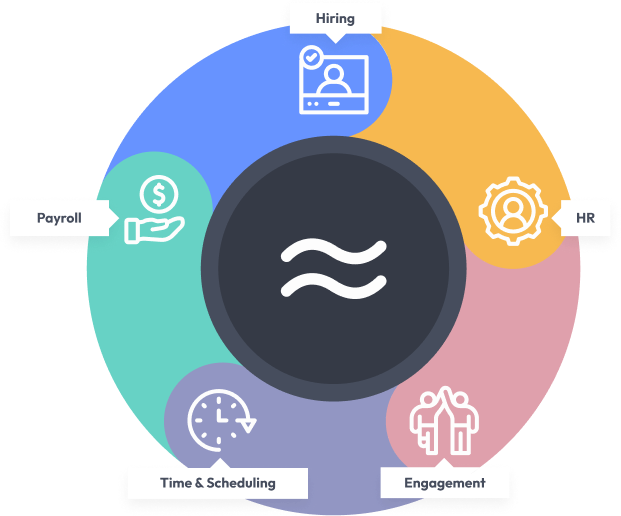

Hiring
Hire better quality workers, faster

HR
Streamline people processes and ensure employee records are always accurate

Engagement
Reduce turnover and increase worker engagement

Time & Scheduling
Manage schedules and hours worked to optimize your labor costs

Payroll
Pay your team quickly, easily, and accurately
resources
Become a hiring and onboarding expert.



Be smart with your hourly workforce
