



How to Hire Electrical Supervisors: Proven Steps to Find, Interview, and Onboard Top Talent
Discover the best practices and essential steps to hire electrical supervisors efficiently, ensuring your restaurant’s operations run smoothly and meet safety standards.

How to Hire Electrical Supervisors: The Practical Guide for Small Businesses
Trying to hire electrical supervisors can feel a bit like searching for that one working flashlight during a power outage—essential, slightly stressful, and, let’s be honest, more complicated than it should be. Whether you’re running a franchise, a busy restaurant, or a growing service business, finding the right electrical team leader isn’t just about plugging a gap. It’s about building a team that keeps your operations humming and your compliance worries at bay. Let’s break down what really matters, what to watch out for, and how to make the whole process less of a headache.
What Makes a Great Electrical Supervisor?
Defining the Role: More Than Just Technical Skills
When you’re looking to hire electrician supervisors, you need more than just someone who can read a wiring diagram. The best supervisors are part mentor, part project manager, and part safety officer. They’re the folks who keep projects on track, ensure compliance with labor regulations, and set the tone for safety and teamwork.
- Leadership: Can they motivate and guide a team, especially when the pressure’s on?
- Technical expertise: Are they comfortable troubleshooting complex systems and mentoring junior staff?
- Communication: Can they bridge the gap between field workers and upper management?
- Compliance: Do they know the latest workplace safety standards and documentation requirements?
Honestly, sometimes the soft skills matter just as much as the certifications. Ever notice how a supervisor who listens can prevent a dozen little problems from turning into a big one?
Writing a Standout Electrical Supervisor Job Description
Let’s be real: a bland job post won’t attract top talent. If you’re trying to recruit electrical managers, you need to be clear about expectations, growth opportunities, and the company culture. For inspiration, check out these tips for effective handbooks and job posting examples that actually get results.
- Highlight leadership and safety responsibilities.
- Be transparent about pay, benefits, and advancement.
- Mention any unique perks—flexible scheduling, training, or tech tools like Workstream’s mobile HR platform.
And if you’re not sure how to phrase the benefits, these tips for calling out benefits can help you stand out.
Where and How to Find Electrical Team Leaders
Recruitment Channels That Actually Work
Old-school word of mouth still matters, but smart business owners are mixing it up with digital tools. If you ask me, using platforms that cater to hourly and skilled trades—like Workstream’s electrician hiring tools—can save you a ton of time.
- Digital recruiting strategies can broaden your reach.
- Industry-specific job boards and local trade schools are gold mines for talent.
- Don’t underestimate the power of employee referrals (sometimes your best team leaders are already on your crew!).
For a deeper dive, these resources on proactive candidate search and recruitment marketing benchmarks can help you refine your approach.
Screening and Interviewing: Getting Beyond the Résumé
Sure, certifications matter, but so does attitude. When you’re trying to find electrical team leaders, ask about real-world scenarios. Use structured interviews—maybe even the STAR method—to see how candidates handle conflict, deadlines, or safety issues. And don’t forget to check out these motivational interviewing techniques and cultural fit questions for more ideas.
Background checks and reference calls are still a must. No one wants to be surprised by a missing license or a history of safety violations.
Compliance, Onboarding, and Retention: The Often-Overlooked Essentials
Staying on the Right Side of the Law
Electrical supervisors are responsible for more than just getting the lights on. They’re the front line for workplace safety and compliance. That means you need to be up to speed on employment law, wage records, and OSHA requirements. If compliance feels overwhelming, platforms like Workstream can automate a lot of the paperwork and reminders—saving you time and, frankly, a lot of stress.
And don’t forget: investing in compliance can save you up to $25,000 a year in lawsuits and fees. That’s not pocket change for a small business.
Onboarding: Setting Up Supervisors for Success
First impressions count. A smooth onboarding process helps new supervisors hit the ground running. Digital onboarding tools—like those from Workstream—can cut onboarding time from hours to minutes and ensure no paperwork gets lost in the shuffle. For practical templates, check out these onboarding templates and advice on onboarding best practices.
Retention: Keeping Your Best Supervisors
Turnover in skilled trades is expensive—sometimes costing up to 200% of an employee’s salary, according to industry research. To keep your electrical supervisors happy, focus on:
- Competitive pay and benefits (see how benefits impact recruitment and retention).
- Clear paths to advancement.
- Regular feedback and recognition (sometimes a simple “thank you” goes a long way).
- Flexible scheduling—tools like 24-hour schedule templates can help with this.
Want to know what makes supervisors stick around? This survey on employee happiness and research on turnover causes offer some eye-opening insights.
Common Pitfalls and How to Avoid Them
Don’t Fall Into These Traps
- Rushing the process: It’s tempting to fill the role fast, but a bad hire can cost you big—both in money and morale. Check out these costs of hiring mistakes.
- Ignoring culture fit: Technical skills matter, but a supervisor who clashes with your team can do more harm than good. Use cultural fit questions to get it right.
- Neglecting onboarding: A rocky start can send your new supervisor running for the door. Digital onboarding can make all the difference.
And if you’re still struggling, remember that even big brands like Five Guys and Chick-fil-A have faced these challenges—and found ways to overcome them.
Conclusion: Building a Brighter (and Safer) Future
Hiring the right electrical supervisor isn’t just about ticking boxes. It’s about building a team you can trust—one that keeps your business safe, compliant, and ready for whatever comes next. With the right mix of smart recruiting, careful screening, and digital tools like Workstream, you can cut your time-to-hire in half, reduce turnover, and maybe even get a little more sleep at night.
Ready to take the next step? Explore more about hiring automation, see how top franchises succeed, or check out our guide to committed employees. And if you’re curious about how technology can help you manage your hourly workforce, don’t miss our feature on digital scheduling and employee appreciation tips.
Here’s to building a safer, stronger, and more resilient team—one great supervisor at a time.
.svg)


All your important HR tasks under one roof
Today’s business owners and HR teams are overwhelmed with administrative tasks: manual processes and exports, duplicative data entry, and siloed information. Workstream centralizes and simplifies people tasks so you can move fast, reduce labor costs, and simplify operations—all in one place.
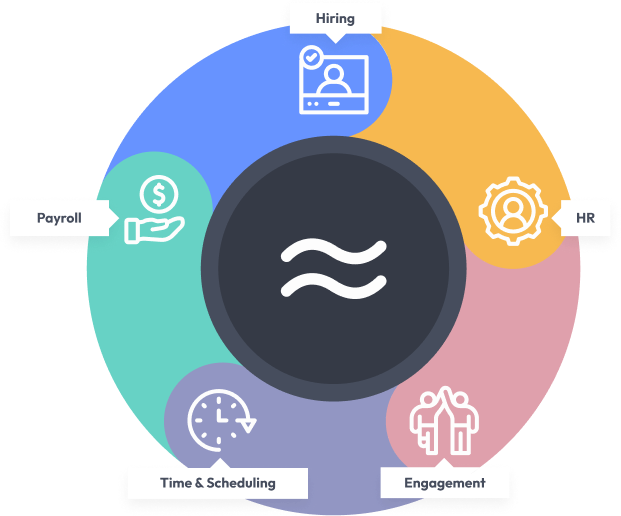

Hiring
Hire better quality workers, faster

HR
Streamline people processes and ensure employee records are always accurate

Engagement
Reduce turnover and increase worker engagement

Time & Scheduling
Manage schedules and hours worked to optimize your labor costs

Payroll
Pay your team quickly, easily, and accurately
resources
Become a hiring and onboarding expert.



Be smart with your hourly workforce
