



How to Hire Gutter Installers: Step-by-Step Guide to Finding the Best Talent
Learn how to hire gutter installers efficiently with expert tips on attracting, interviewing, and onboarding top talent for your business.

How to Hire Gutter Installers: A Practical Guide for Small Business Owners
If you’ve ever tried to hire gutter installers for your business, you know it’s not just about finding someone who can climb a ladder and swing a hammer. It’s about building a team that’s reliable, skilled, and motivated to do quality work—rain or shine. And let’s be honest, in the world of home services, finding the right folks can feel like searching for a needle in a haystack. But don’t worry, we’ve got your back. Let’s break down how to find, recruit, and keep top-notch gutter installers on your crew, with a few digressions on what actually works in today’s tight labor market.
Understanding the Gutter Installer Role: More Than Just Downspouts
What Makes a Great Gutter Installer?
Sure, technical skills matter. But if you ask me, attitude and reliability are just as important. According to insights from Harvard Business Review, hiring for attitude and training for skill can dramatically reduce turnover—something every small business owner dreams about. Gutter installers need to be comfortable with heights, have strong attention to detail, and be able to communicate well with both customers and teammates.
Defining the Job: Clear Expectations, Fewer Surprises
Before you start looking to find gutter installer candidates, make sure your job description is on point. Not sure where to start? The Job Accommodation Network offers great advice on crafting clear, compliant job descriptions that help attract the right people. Spell out the physical requirements, safety expectations, and any certifications needed—like OSHA or fall protection training. This clarity helps weed out folks who aren’t a good fit and saves you time in the long run.
Where and How to Find Roofing Workers and Gutter Installers
Recruiting Construction Staff: Cast a Wide Net
Let’s face it—good help is hard to find, especially in construction. But you don’t have to reinvent the wheel. There are proven strategies to find roofing workers and gutter installers:
- Tap into local trade schools: Many students are eager for hands-on experience. Consider partnerships or internships.
- Leverage digital recruiting tools: Platforms like Workstream make it easy to post jobs and manage applicants, especially for hourly roles.
- Employee referrals: According to SHRM, referral programs can be a goldmine for finding reliable staff—your best workers often know others who share their work ethic.
- Industry job boards: Sites like Indeed and Craigslist can help, but make sure your job posting stands out. For creative tips, check out these ideas.
Screening and Interviewing: Don’t Skip the Details
Once the applications start rolling in, you’ll want to screen for both skill and attitude. Tools like eSkill offer customizable pre-employment tests to assess technical know-how. But don’t ignore soft skills—communication, punctuality, and a willingness to learn are critical. For interview tips, see this guide on motivational interviewing, and consider using the STAR method to get real-world examples of how candidates have handled tough situations.
Hiring and Onboarding: Setting Up for Success
Legal and Compliance Considerations
Hiring in construction comes with a few extra hoops. You’ll need to follow Department of Labor guidelines on recordkeeping and make sure your payroll practices are up to snuff. For a payroll overview, see this guideline on labor costs. If you’re hiring part-time or hourly, be clear about benefits and scheduling—missteps here can cost you big time. (And yes, this is where an all-in-one platform like Workstream can save you headaches by keeping everything organized and compliant.)
Onboarding: The First Impression That Lasts
Onboarding isn’t just paperwork—it’s your chance to set expectations and build loyalty. According to recent onboarding statistics, digital onboarding can reduce errors and speed up the process. For templates and checklists to make onboarding smooth, check out these onboarding templates. And if you’re wondering how to keep new hires engaged from day one, here are five traits to look for and nurture.
Retaining Your Best Installers: The Secret Sauce
Why Turnover Hurts—and How to Stop It
Turnover isn’t just a headache—it’s expensive. According to Notch Financial, losing a front-line worker can cost thousands in recruiting and training. The Michelin Guide also highlights that high turnover disrupts workflow and impacts customer satisfaction. So, what keeps installers sticking around?
- Competitive pay and benefits: The DoorDash/Technomic report shows that benefits are a major factor in both recruiting and retention—even for hourly roles.
- Clear career paths: Offering training and advancement opportunities can keep your team motivated. For more on employee engagement, see this HBR article.
- Consistent scheduling: Unpredictable hours drive people away. For tips on scheduling, this template can help you plan ahead and reduce no-shows.
- Positive work culture: It’s not just about pizza parties—respect and recognition go a long way. For insights on building a culture that retains talent, this study is eye-opening.
Using Technology to Streamline and Engage
Honestly, juggling all these moving parts can feel like herding cats. That’s where platforms like Workstream really shine. By automating hiring, onboarding, scheduling, and payroll, you free up time to focus on what matters most—building relationships and growing your business. And with features like mobile-first communication and digital document storage, you’ll keep your team connected and compliant, without drowning in paperwork.
Conclusion: Building a Team That Lasts
Hiring gutter installers—or any construction staff—takes more than a “help wanted” sign in the window. It’s about crafting a clear job description, using smart recruiting tools, onboarding with care, and creating a culture where people want to stick around. The right technology can make all the difference, especially when it comes to saving time, reducing turnover, and staying compliant. If you’re ready to modernize your hiring process and keep your business running smoothly, it might be time to explore solutions like Workstream’s platform.
And hey, if you ever find yourself stuck on where to hire roofing contractor staff or how to recruit construction staff that actually show up on Monday morning, remember: the right mix of tech, process, and a little bit of human touch can go a long way. Good luck out there—and may your gutters always flow freely!
Want to Learn More?
- Check out how to streamline hiring for hourly roles
- See how to spot committed employees
- Explore creative job posting tips for hourly workers
- Learn about hiring automation to save time and money
- Discover onboarding templates for a smoother start
.svg)


All your important HR tasks under one roof
Today’s business owners and HR teams are overwhelmed with administrative tasks: manual processes and exports, duplicative data entry, and siloed information. Workstream centralizes and simplifies people tasks so you can move fast, reduce labor costs, and simplify operations—all in one place.
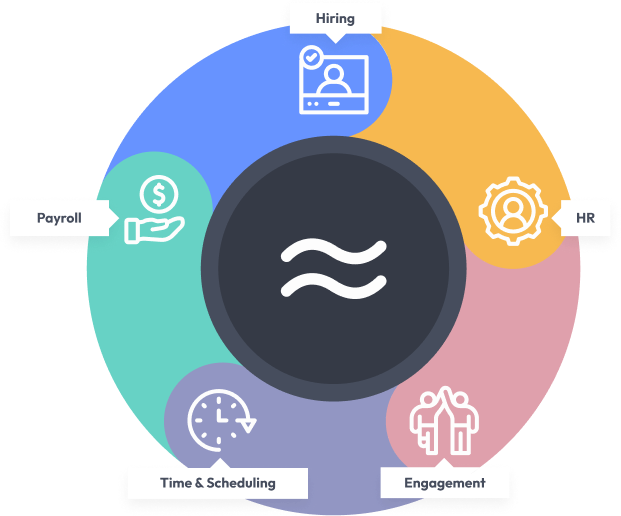

Hiring
Hire better quality workers, faster

HR
Streamline people processes and ensure employee records are always accurate

Engagement
Reduce turnover and increase worker engagement

Time & Scheduling
Manage schedules and hours worked to optimize your labor costs

Payroll
Pay your team quickly, easily, and accurately
resources
Become a hiring and onboarding expert.



Be smart with your hourly workforce
