



How to Hire Tow Truck Operators: Proven Steps to Find and Keep Top Talent
Discover the best practices to hire tow truck operators efficiently. Learn key steps, tips, and requirements for successful recruitment.

How to Hire Tow Truck Operators: A No-Nonsense Guide for Small Business Owners
Trying to hire tow truck operators these days can feel a bit like fishing in a lake that’s just been restocked—there’s plenty of activity, but reeling in the right catch takes skill, patience, and the right bait. Whether you’re running a family-owned towing business or managing a fleet for a larger operation, finding and keeping top-notch towing professionals is about more than just posting a job ad and hoping for the best. Let’s talk about what really works, what doesn’t, and how to set your team up for long-term success.
Getting Started: What Makes a Great Tow Truck Operator?
Before you can recruit tow truck drivers who’ll stick around, you need to know what you’re looking for. Sure, technical skills and a clean driving record are must-haves, but attitude, reliability, and customer service chops are just as important—maybe even more so. According to research on low-turnover teams, hiring for attitude and training for skill can dramatically reduce churn. In the towing world, where late-night calls and stressed-out customers are the norm, empathy and patience go a long way.
Key Qualities to Watch For
- Valid commercial driver’s license (CDL) and clean driving record
- Mechanical aptitude and problem-solving skills
- Strong communication and customer service skills
- Ability to work independently and handle stressful situations
- Flexibility for odd hours and emergency calls
If you ask me, finding someone who can keep cool when a stranded driver is venting their frustration is worth its weight in gold. For more on what makes a committed employee, check out these five traits.
Recruitment Strategies: How to Find Towing Staff Who’ll Stick Around
Let’s be honest—posting a generic job ad on Craigslist and crossing your fingers isn’t going to cut it anymore. The cost of turnover is sky-high, and every lost operator means lost revenue and unhappy customers. So, how do you find towing staff who are in it for the long haul?
Modern Sourcing Tactics
- Leverage social media: Platforms like Facebook and Instagram aren’t just for cat videos. Use them to highlight your company culture and attract younger candidates. Here’s a guide to hiring on Instagram.
- Referral programs: Your current team knows what it takes to succeed. Offer incentives for referrals—sometimes the best hires come from within your own network.
- Job boards and local ads: Don’t underestimate the power of targeted job boards. For inspiration, see these free job posting sites.
- Community engagement: Attend local events, job fairs, or even sponsor a little league team. Sometimes, trust is built face-to-face.
For a deeper dive into creative recruiting, check out these recruitment ad ideas and digital recruiting strategies.
Screening and Interviewing: Don’t Skip the Details
Once you’ve got a stack of applications, it’s tempting to rush the process—especially if you’re short-staffed. But slow down just a bit. Use motivational interviewing techniques and cultural fit questions to dig deeper than the resume. And don’t forget to check references and run background checks—your trucks (and your reputation) are on the line.
Tow Truck Operator Recruitment: Onboarding and Retention That Actually Works
Hiring is just the beginning. The real magic happens during onboarding and beyond. If you want to hire towing professionals who’ll stay, you need a plan that goes beyond “here’s your keys, good luck.”
Onboarding Essentials
- Clear training on equipment and safety protocols (seriously, don’t skimp here)
- Shadowing experienced operators for the first few weeks
- Mobile-friendly onboarding tools—nobody wants to fill out a mountain of paperwork by hand
Great onboarding can reduce turnover by half, according to recent onboarding statistics. For practical templates, see these onboarding templates.
Retention: Keep Your Team Happy and Engaged
Let’s face it—keeping good people is harder than ever. Benefits matter, but so does feeling valued. According to this DoorDash study, offering perks and flexible schedules can make a huge difference. And don’t forget regular check-ins; a simple “how’s it going?” can uncover issues before they become problems.
For more on reducing turnover, see this Michelin Guide feature and Harver’s deep dive on turnover causes.
Compliance, Pay, and Scheduling: Don’t Get Caught Off Guard
There’s a lot more to tow truck operator recruitment than finding the right people. You also need to stay compliant with labor laws, pay competitively, and make scheduling as painless as possible. Let me explain—nobody wants to deal with lawsuits or payroll headaches.
Legal and Pay Considerations
- Keep detailed wage and hour records. The Department of Labor spells out what you need to track.
- Offer fair pay and benefits. For a look at what’s competitive, check out these wage comparisons.
- Stay up to date on safety and licensing requirements—cutting corners here can cost you big.
Scheduling can be a real pain point, especially with 24/7 operations. Tools like 24-hour schedule templates can help you avoid burnout and keep everyone on the same page. And honestly, using a platform that automates scheduling, payroll, and compliance—like Workstream—can save you hours every week (and a few gray hairs, too).
Common Pitfalls (and How to Dodge Them)
Even the best-intentioned owners slip up. Here are a few traps to watch out for:
- Rushing the hiring process—desperation hires rarely work out
- Ignoring culture fit—skills can be taught, attitude can’t
- Neglecting onboarding—leads to confusion, mistakes, and early exits
- Underestimating the value of feedback—regular check-ins matter
For more on avoiding costly mistakes, see the true cost of hiring a bad employee and the real cost of turnover.
Conclusion: Building a Winning Tow Truck Team for the Long Haul
At the end of the day, learning how to hire tow truck operators is about more than filling seats in your trucks. It’s about building a team that’s reliable, skilled, and proud to wear your logo. Invest in smart recruitment, thorough onboarding, and ongoing engagement, and you’ll spend less time hiring—and more time growing your business.
If you’re ready to streamline your hiring, onboarding, and scheduling, Workstream’s platform was built for businesses like yours. And if you want more practical guides, check out these resources:
.svg)


All your important HR tasks under one roof
Today’s business owners and HR teams are overwhelmed with administrative tasks: manual processes and exports, duplicative data entry, and siloed information. Workstream centralizes and simplifies people tasks so you can move fast, reduce labor costs, and simplify operations—all in one place.
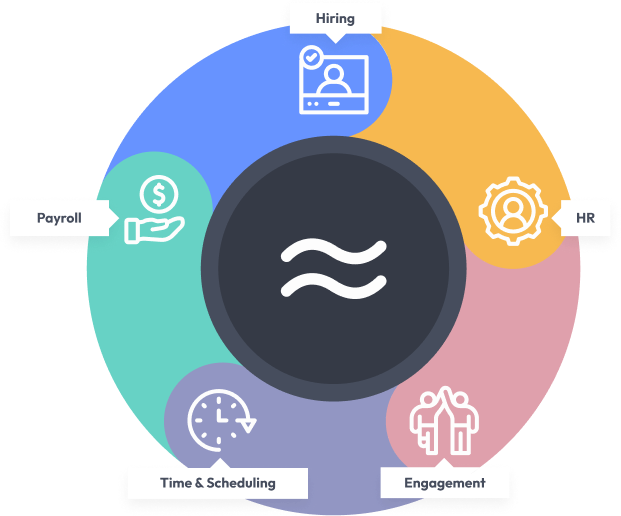

Hiring
Hire better quality workers, faster

HR
Streamline people processes and ensure employee records are always accurate

Engagement
Reduce turnover and increase worker engagement

Time & Scheduling
Manage schedules and hours worked to optimize your labor costs

Payroll
Pay your team quickly, easily, and accurately
resources
Become a hiring and onboarding expert.

Be smart with your hourly workforce
