



How to Hire Patient Liaisons: A Step-by-Step Guide for Healthcare Hiring Success
Learn effective strategies to hire patient liaisons, from crafting job descriptions to interviewing top candidates, and streamline your restaurant’s hiring process with this comprehensive guide.

How to Hire Patient Liaisons: A Practical Guide for Healthcare Leaders
If you ask me, the secret sauce to a thriving healthcare team isn’t just about the doctors and nurses—it’s often the folks in the middle, the patient liaisons, who really keep things humming. These professionals bridge the gap between patients and providers, smoothing out communication and making sure no one gets lost in the shuffle. But finding and hiring the right patient liaison? That’s a whole different ballgame. Let’s walk through what it takes to hire patient liaisons who’ll make a real impact, and why a streamlined process matters more than ever.
What Does a Patient Liaison Do, Anyway?
Before you can hire healthcare liaisons, you need to know what you’re actually looking for. Patient liaisons—sometimes called patient advocates or care coordinators—are the friendly faces who answer questions, resolve conflicts, and advocate for patient needs. They’re part customer service, part healthcare interpreter, and all heart. Their job is to make sure patients understand their care plans, feel heard, and get the support they need, whether they’re in a hospital, clinic, or long-term care facility.
Key Responsibilities of Patient Liaisons
- Explaining medical procedures and policies in plain English
- Resolving patient complaints and concerns
- Coordinating between patients, families, and medical staff
- Ensuring compliance with privacy and healthcare regulations
- Documenting interactions and outcomes
For a deeper look at developing job descriptions for these roles, check out this handy resource. And if you’re curious about the broader impact of these positions, organizational culture and job satisfaction research can shed light on why getting the right fit matters.
How to Recruit Patient Advocates Who Actually Stick Around
Let’s be honest: turnover is a real pain, especially in healthcare. The cost of losing a frontline employee isn’t just financial—it’s emotional, too. According to industry data, turnover can eat away at your bottom line and disrupt patient care. So, how do you recruit patient advocates who’ll stay for the long haul?
Start with a Clear, Compelling Job Posting
- Highlight growth opportunities and meaningful work—people want to know they’re making a difference (robust retention strategies).
- Be transparent about pay and benefits; it’s what candidates look for first (salary in job ads).
- Mention any flexibility or work-life balance perks—these are huge selling points (work-life balance impact).
If you’re looking for inspiration, check out these job posting examples designed for hourly roles, or get creative with tips that help your ad stand out.
Screen for Soft Skills and Cultural Fit
Technical know-how is great, but soft skills—empathy, patience, communication—are what set top liaisons apart. Use motivational interviewing techniques or these cultural fit interview questions to get a sense of how candidates will interact with patients and your team.
Streamlining Liaison Staffing: Technology, Compliance, and the Human Touch
Here’s the thing: hiring for these roles can get complicated fast. Between compliance paperwork, background checks, and onboarding, it’s easy to get bogged down. That’s why more healthcare organizations are turning to digital solutions to streamline liaison staffing—think mobile-first platforms that automate scheduling, reminders, and even payroll. (Honestly, who has time for mountains of paperwork?)
Compliance and Recordkeeping—Don’t Drop the Ball
Healthcare is one of the most regulated industries out there. You’ve got to keep meticulous records, from hours worked to patient interactions. The Department of Labor’s recordkeeping guidelines are a must-read for anyone managing hourly staff. And don’t forget about privacy laws—HIPAA violations can cost you big time.
Modern HR platforms like Workstream help you stay compliant by automating document storage and tracking, so nothing falls through the cracks. If you’re curious how this works in real life, see how Gap gave its employees more control and improved engagement with tech-driven scheduling.
Onboarding and Training: Set Your Liaisons Up for Success
First impressions matter—a lot. A smooth onboarding process means new hires feel supported from day one, which can cut down on early turnover. Check out these onboarding templates to make the process easier, or dive into advice on getting onboarding right from industry leaders.
And don’t forget ongoing training—whether it’s communication workshops or compliance refreshers, continuous learning keeps your team sharp. For more on training techniques, here’s a guide to running effective sessions.
Retention: Keeping Your Patient Liaisons Happy (and on Your Team)
Now, here’s where things get real. Even the best hiring process won’t help if your liaisons burn out or feel undervalued. According to research on turnover, engagement and recognition are key. So, what can you do?
- Offer meaningful benefits—think health insurance, PTO, or even tuition reimbursement (benefits impact report).
- Recognize achievements—public shoutouts or small rewards go a long way (employee recognition strategies).
- Encourage open communication—regular check-ins help catch issues before they become problems (improving communication).
- Provide clear career paths—people want to know they can grow (career management insights).
For more on building a culture that retains top talent, see how company culture affects retention or explore engagement strategies for hourly workers.
Conclusion: Hiring Patient Liaisons Isn’t Just a Checkbox—It’s a Game Changer
At the end of the day, learning how to hire patient liaisons is about more than filling a slot on your roster. It’s about building trust, improving patient outcomes, and keeping your team running smoothly. With the right approach—clear job postings, thoughtful screening, streamlined onboarding, and a focus on retention—you’ll set your organization up for long-term success.
If you’re ready to make your hiring process a breeze, consider exploring Workstream’s hiring automation tools or learn more about how Workstream supports healthcare teams. For more insights on HR tech trends, employee retention strategies, or finding committed employees, check out our resources. Because when your liaisons thrive, your whole team wins—no question about it.
.svg)


All your important HR tasks under one roof
Today’s business owners and HR teams are overwhelmed with administrative tasks: manual processes and exports, duplicative data entry, and siloed information. Workstream centralizes and simplifies people tasks so you can move fast, reduce labor costs, and simplify operations—all in one place.
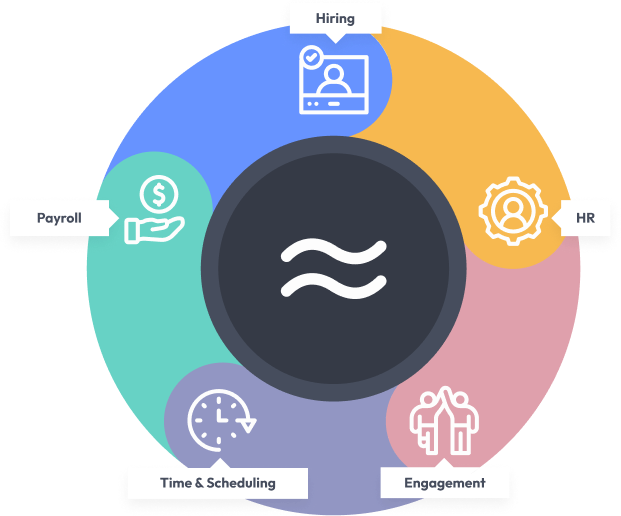

Hiring
Hire better quality workers, faster

HR
Streamline people processes and ensure employee records are always accurate

Engagement
Reduce turnover and increase worker engagement

Time & Scheduling
Manage schedules and hours worked to optimize your labor costs

Payroll
Pay your team quickly, easily, and accurately
resources
Become a hiring and onboarding expert.



Be smart with your hourly workforce
