



How to Hire Logistics Coordinators: Step-by-Step Tips to Attract and Retain Top Talent
Discover the best strategies to hire logistics coordinators efficiently. Learn key steps, tips, and best practices to build a skilled logistics team for your business.

How to Hire Logistics Coordinators: A Practical Guide for Small Business Owners
If you’ve ever tried to hire logistics coordinators for your business, you know it’s not exactly a walk in the park. Between the endless resumes, the back-and-forth interviews, and the constant worry about whether your new hire will actually stick around, it’s enough to make anyone’s head spin. But here’s the thing: getting the right logistics coordinator in place can be the difference between smooth, on-time deliveries and a warehouse full of headaches. So, how do you actually find and keep the best people for the job? Let’s break it down, with a few digressions, a dash of real talk, and some tips you can actually use.
Why Logistics Coordinators Matter (And Why They’re So Hard to Find)
First, let’s talk about why this role is so crucial. Logistics coordinators are the unsung heroes of the supply chain world—they’re the ones making sure your products get from point A to point B without a hitch. They juggle schedules, track shipments, solve last-minute problems, and keep everyone in the loop. If you ask me, they’re a bit like air traffic controllers, but for trucks and pallets instead of planes.
But here’s the kicker: turnover in logistics and supply chain roles is notoriously high. According to industry data, losing a single front-line employee can cost your business thousands in replacement and training costs. And when you’re running a small operation, every dollar counts.
So, why is it so tough to hire supply chain managers and coordinators who stick around? Well, it’s a mix of high stress, long hours, and—let’s be honest—sometimes not enough recognition. Add in the fact that the staffing market is tight, and you’ve got a recipe for constant churn.
Building a Solid Logistics Coordinator Recruitment Strategy
1. Write Job Descriptions That Actually Work
Let’s start at the beginning: your job ad. Too many businesses slap together a laundry list of requirements and hope for the best. But if you want to attract top talent, you need to speak their language. Highlight what makes your company a great place to work, and be clear about the growth opportunities. For inspiration, check out these job posting examples that actually get results.
2. Source Candidates Where They Hang Out
Logistics coordinators aren’t always scrolling through the same job boards as office workers. Sometimes, the best candidates are already working elsewhere, or they’re part of niche online communities. Consider leveraging platforms like Indeed or even Instagram to reach passive candidates. And don’t forget about proactive sourcing strategies—sometimes you have to go fishing where the fish are biting.
3. Screen for the Right Skills (and Attitude)
Honestly, you can train someone on your shipping software, but you can’t teach reliability or a knack for problem-solving. Use pre-employment assessments to gauge technical skills, but also ask behavioral interview questions to suss out cultural fit. Need some help crafting those questions? Here’s a handy list of culture fit interview questions that work wonders.
4. Move Fast—But Don’t Rush
Speed matters, especially when good candidates get snapped up quickly. Automating parts of your hiring process can cut your time-to-hire in half, which is a game-changer in a competitive market. But don’t sacrifice quality for speed—make sure you’re still checking references and verifying credentials.
Supply Chain Staffing: Retention Is Just as Important as Recruitment
Why People Leave (and How to Keep Them)
Let’s be real: even the best hiring process won’t matter if your new logistics coordinator bolts after six months. According to industry research, the top reasons people leave are lack of growth, poor work-life balance, and—surprise—bad management. If you want to keep your team happy, you need to address these head-on.
- Offer competitive pay and benefits. It’s not just about the paycheck; things like flexible scheduling and health benefits can make a huge difference. See how benefits impact recruitment and retention in similar industries.
- Invest in onboarding and training. A smooth start helps new hires feel supported. Use onboarding templates to make the process seamless and welcoming.
- Give people control over their schedules. No one likes being on-call 24/7. Tools that let employees swap shifts or set preferences can boost satisfaction—just look at how Gap improved engagement by giving staff more control.
- Recognize and reward good work. Sometimes a simple “thank you” or a small bonus goes a long way. For more ideas, check out these employee motivation tips.
Compliance and Recordkeeping: Don’t Get Caught Off Guard
Here’s a quick PSA: make sure you’re following all the relevant labor laws, especially when it comes to recordkeeping and reporting. Fines for non-compliance can easily wipe out any savings you get from cutting corners. And if you’re not sure where to start, an integrated HR platform like Workstream can help you stay organized and compliant.
Common Pitfalls in Logistics Coordinator Recruitment (And How to Dodge Them)
1. Relying Too Much on Gut Instinct
We all like to think we’ve got a sixth sense for hiring, but the data says otherwise. Structured interviews and skills assessments consistently lead to better hires than “going with your gut.” If you want to avoid costly mistakes, standardize your process and use motivational interviewing techniques to dig deeper.
2. Ignoring Culture Fit
Even the most talented logistics pro can crash and burn if they don’t mesh with your team. Ask about real-life scenarios and how they’d handle tricky situations. And don’t forget to check references—sometimes the best insights come from previous managers.
3. Skipping the Tech
Manual scheduling and paper applications? That’s so 2005. Modern HR platforms can automate everything from applicant tracking to payroll, saving you hours each week. Plus, they help you spot red flags before they become full-blown problems.
The Workstream Advantage: Making Logistics Staffing Simple
Alright, let’s talk solutions. If you’re tired of juggling spreadsheets, emails, and sticky notes, it might be time to consider a platform built for hourly businesses. Workstream streamlines the entire process—from posting jobs to onboarding, scheduling, and payroll. You can even automate interview scheduling and send digital documents right to your candidates’ phones. And with compliance tools baked in, you’ll sleep easier knowing your bases are covered.
Plus, Workstream’s mobile-first design means your team can manage everything on the go—no more being chained to a desk. And if you’re curious about how other businesses are saving money and reducing turnover, check out these customer success stories.
Conclusion: Hiring Logistics Coordinators Doesn’t Have to Be a Headache
Let’s face it: finding and keeping great logistics coordinators is tough, but it’s far from impossible. With the right strategy, a little bit of tech, and a focus on what really matters to your team, you can build a supply chain operation that runs like a well-oiled machine. Remember, the best hires aren’t just the ones with the perfect resume—they’re the ones who show up, solve problems, and stick around for the long haul. And if you ever need a hand, well, you know where to find us.
Further Reading and Resources
.svg)


All your important HR tasks under one roof
Today’s business owners and HR teams are overwhelmed with administrative tasks: manual processes and exports, duplicative data entry, and siloed information. Workstream centralizes and simplifies people tasks so you can move fast, reduce labor costs, and simplify operations—all in one place.
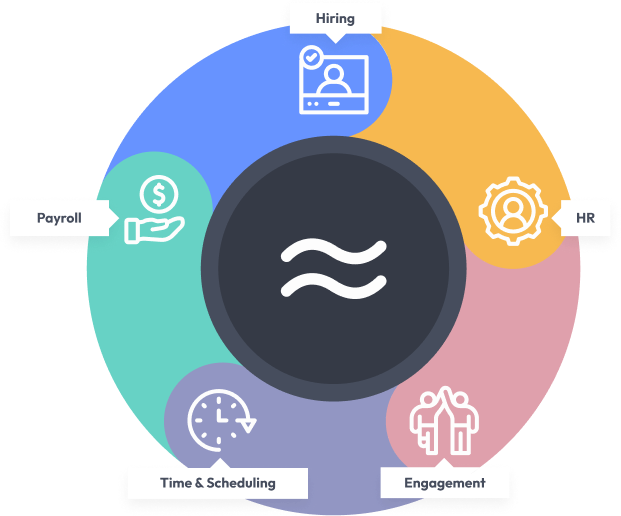

Hiring
Hire better quality workers, faster

HR
Streamline people processes and ensure employee records are always accurate

Engagement
Reduce turnover and increase worker engagement

Time & Scheduling
Manage schedules and hours worked to optimize your labor costs

Payroll
Pay your team quickly, easily, and accurately
resources
Become a hiring and onboarding expert.



Be smart with your hourly workforce
