



How to Hire Sales Advisors: Step-by-Step Guide to Attract and Retain Top Talent
Discover proven strategies to hire sales advisors effectively. Learn key steps for attracting, interviewing, and onboarding top sales talent for your restaurant business.

How to Hire Sales Advisors: A Practical Guide for Small Businesses
Let’s be honest—if you want your business to thrive, you need to hire sales advisors who don’t just talk the talk, but walk the walk. Whether you’re running a restaurant, retail shop, or a growing franchise, finding the right sales talent can feel like searching for a needle in a haystack. But with a little know-how, some modern tools, and a dash of patience, you can build a sales team that turns browsers into buyers and keeps your registers ringing. Ready to get started? Let’s dig in.
Understanding the Role: What Makes a Great Sales Advisor?
Before you start posting job ads, it helps to know what you’re looking for. A sales advisor isn’t just a smooth talker—they’re the face of your business, the first impression, and often the reason a customer comes back. If you ask me, the best sales advisors are equal parts listener, problem-solver, and brand ambassador. They know your products inside and out, but more importantly, they know how to make customers feel heard and valued.
- Strong communication skills (verbal and written)
- Empathy and emotional intelligence
- Resilience and adaptability
- Product knowledge and willingness to learn
- Integrity—no one likes a pushy salesperson
And here’s a fun fact: hiring for attitude and training for skill is often more effective than the other way around. So, don’t get too hung up on experience—sometimes, the best hires are the ones who are eager to grow.
Where to Find Sales Staff: Casting a Wider Net
Modern Sourcing Strategies
Gone are the days when you could just tape a “Help Wanted” sign to your window and wait for the perfect candidate to stroll in. Today, finding sales staff means meeting people where they are—online, on their phones, and yes, even on social media. Platforms like Instagram and Indeed are goldmines for sourcing hourly talent, especially if your business leans on younger generations.
But don’t just post and pray. Use digital recruiting strategies to expand your reach and attract candidates who might not have considered your business otherwise. And if you’re feeling a bit old-school, employee referrals are still one of the most reliable ways to recruit sales advisors who fit your culture.
Job Descriptions That Attract the Right Talent
Let’s talk about job ads. A generic “Sales Advisor Needed” post won’t cut it. Instead, highlight what makes your business unique and why someone would want to join your team. Be clear about expectations, growth opportunities, and—if you can swing it—benefits. Check out these job posting examples for inspiration, and don’t forget to call out benefits that matter to today’s workforce.
For restaurants and retail, a comprehensive employee handbook can also help set expectations and reduce confusion down the line.
The Sales Team Recruitment Process: Screening, Interviewing, and Onboarding
Screening Candidates Efficiently
With dozens—sometimes hundreds—of applications, how do you separate the wheat from the chaff? Automated tools like Workstream’s hiring automation can help you screen candidates faster, saving you hours each week. Look for red flags (spotty work history, vague answers) but also green lights—like enthusiasm for your brand or a knack for customer service.
If you want to get a bit scientific, consider using pre-employment assessments to measure soft skills and fit. And don’t underestimate the power of a well-structured interview—try these cultural fit questions or STAR method techniques to dig deeper into a candidate’s experience.
Interview Tips for Sales Advisor Recruitment
- Ask about real-life scenarios: “Tell me about a time you turned a ‘no’ into a ‘yes’.”
- Gauge their product knowledge and willingness to learn
- Assess their teamwork and communication style
- Look for a genuine interest in helping customers—not just making a sale
And if you’re hiring for a team, don’t forget to consider group dynamics. Sometimes, it’s not just about the individual, but how they’ll mesh with your existing crew. For more on building a strong team, see these teamwork tips.
Onboarding: Setting Up for Success
Once you’ve made your picks, onboarding is where the magic happens. A streamlined onboarding process—like these templates—can reduce time-to-productivity and help new hires feel like part of the family from day one. Don’t forget to cover compliance basics, especially wage and hour laws (recordkeeping guidelines are a must-read).
And remember, onboarding isn’t just paperwork. It’s about culture, expectations, and giving your new sales advisors the tools to succeed. For a deeper dive, check out this onboarding guide.
Retention Matters: Keeping Your Sales Advisors Engaged
Why Turnover Hurts—and How to Prevent It
Here’s the thing: hiring is just the start. High turnover can cost you big—sometimes up to $5,864 per lost employee in the restaurant world, and that’s before you factor in lost sales and morale. Want to keep your team happy? Invest in benefits, provide clear growth paths, and foster a culture of recognition.
And don’t just take my word for it—studies show that engaged hourly workers are more productive, stick around longer, and create better customer experiences. If you’re struggling with turnover, read up on common causes and practical solutions.
Leveraging Technology for Retention
Let’s face it, nobody likes paperwork or chasing down schedules. Platforms like Workstream automate the boring stuff—scheduling, payroll, compliance—so your managers can focus on coaching and connecting with their teams. That’s not just a time-saver; it’s a game-changer for retention. If you’re curious about how tech can cut labor costs and boost morale, check out this story on schedule control.
Common Pitfalls and How to Avoid Them
- Rushing the process: Don’t hire just to fill a seat. Take your time to find the right fit.
- Ignoring culture: Skills can be taught, but attitude is harder to fix.
- Skipping onboarding: A weak start leads to quick exits.
- Neglecting compliance: Stay up to date with legal requirements to avoid headaches down the road.
Honestly, even seasoned owners slip up here and there. The key is to learn, adjust, and keep your eyes on the prize—a motivated, effective sales team that drives your business forward.
Wrapping Up: Building a Sales Team That Lasts
Hiring sales advisors isn’t just about filling open shifts. It’s about building a team that believes in your mission, connects with your customers, and helps your business grow—rain or shine. With the right strategies, a little patience, and modern tools like Workstream’s HR and payroll platform, you can transform your hiring process from a headache into a competitive advantage. And hey, if you ever feel stuck, remember: every great sales team started with a single, thoughtful hire. Why not make your next one the best yet?
Further Reading from Workstream
- Learn more about hiring automation and how to streamline your process.
- Explore job posting examples to attract better candidates.
- Discover onboarding templates for a smooth start.
- Read about highlighting benefits in job descriptions to boost your offer.
- Find out how Workstream’s platform can help your business grow.
.svg)


All your important HR tasks under one roof
Today’s business owners and HR teams are overwhelmed with administrative tasks: manual processes and exports, duplicative data entry, and siloed information. Workstream centralizes and simplifies people tasks so you can move fast, reduce labor costs, and simplify operations—all in one place.
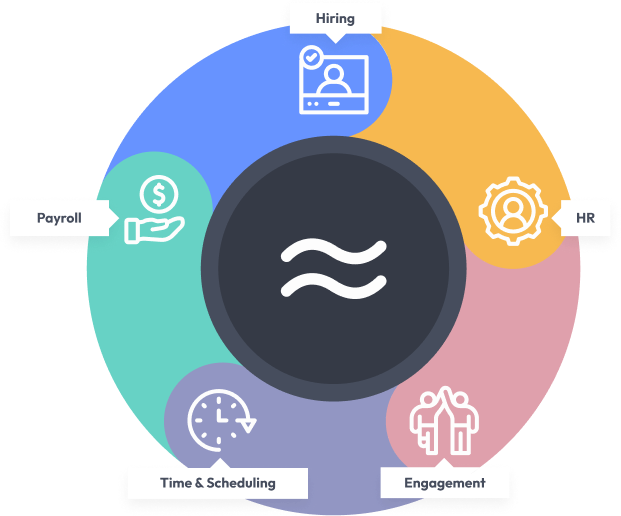

Hiring
Hire better quality workers, faster

HR
Streamline people processes and ensure employee records are always accurate

Engagement
Reduce turnover and increase worker engagement

Time & Scheduling
Manage schedules and hours worked to optimize your labor costs

Payroll
Pay your team quickly, easily, and accurately
resources
Become a hiring and onboarding expert.


Be smart with your hourly workforce
