



How to Hire Truck Dispatchers: Step-by-Step Guide for Small Business Owners
Discover the best practices to hire truck dispatchers, from screening candidates to onboarding, and streamline your hiring process with our step-by-step guide.

How to Hire Truck Dispatchers: A Practical Guide for Small Businesses
Ever feel like finding the right truck dispatcher is a bit like searching for a needle in a haystack—only the haystack is moving at 65 miles per hour down I-80? If you’re a small business owner in logistics or transportation, you know just how critical it is to hire truck dispatchers who can keep your wheels turning and your customers happy. Let’s break down what it takes to recruit, hire, and keep top dispatch talent on your team—without losing your mind (or your margins).
Understanding the Role: What Makes a Great Truck Dispatcher?
Before you start posting job ads, let’s talk about what a truck dispatcher actually does. Dispatchers are the nerve center of your operation. They coordinate routes, manage driver schedules, handle emergencies, and keep everyone in the loop. It’s a job that takes grit, quick thinking, and a knack for multitasking. If you ask me, it’s not for the faint of heart.
Key Skills to Look For
- Communication: Clear, concise, and calm under pressure. Dispatchers are the bridge between drivers, customers, and management.
- Problem-solving: When a truck breaks down in the middle of nowhere, your dispatcher needs to find solutions fast.
- Attention to detail: Missed pickups or wrong addresses can cost you big time.
- Tech savvy: Familiarity with dispatch software, GPS, and mobile apps is a must.
For a deeper dive into hiring truck dispatchers and what the job entails, check out this resource.
Recruiting Truck Dispatchers: Where to Find the Best Candidates
Here’s the thing: the best dispatchers aren’t always actively looking for a job. Sometimes, you have to get creative with your truck dispatcher recruitment strategy. Word of mouth, industry job boards, and even social media platforms like Facebook can be gold mines for talent. Did you know that many restaurant owners use Facebook to find hourly staff? The same logic applies here.
Effective Sourcing Strategies
- Leverage digital recruiting strategies to widen your reach.
- Tap into proactive candidate sourcing for specialized roles.
- Use creative job postings to stand out from the crowd.
- Consider platforms like Indeed or Instagram for reaching younger or tech-savvy candidates.
And if you’re looking for a hands-off approach, platforms like Workstream can automate much of the hiring process, from screening to scheduling interviews, saving you hours each week.
Screening and Interviewing: Separating the Wheat from the Chaff
Let’s be honest—resumes only tell half the story. The real magic happens during interviews and assessments. You want dispatchers who not only look good on paper but can think on their feet and handle the unique pressures of logistics.
Interview Questions That Matter
- “Tell me about a time you handled a last-minute route change.”
- “How do you prioritize when you have multiple urgent requests?”
- “What dispatch software have you used before?”
- “How do you keep drivers motivated and informed?”
For more on motivational interviewing techniques and cultural fit questions, check out these guides.
Assessment Tools
- Use pre-employment assessments to measure critical thinking and communication skills.
- Consider HRIS platforms that integrate with your current systems for seamless onboarding.
Onboarding and Retention: Keeping Your Dispatchers Engaged
Congrats, you found your unicorn! Now, how do you keep them? The transportation industry is notorious for high turnover, but a thoughtful onboarding process and ongoing support can make all the difference. According to industry research, turnover can cost thousands per lost employee, not to mention the headaches.
Onboarding Essentials
- Digitize paperwork with onboarding templates to save time.
- Set clear expectations with a comprehensive employee handbook.
- Automate reminders and training modules using platforms like Workstream.
Retention isn’t just about pay—benefits, flexibility, and recognition matter too. The impact of benefits on recruitment and retention is well-documented, and even small perks can go a long way. If you’re curious about what keeps hourly workers happy, this survey on employee happiness is worth a read.
Common Pitfalls to Avoid
- Ignoring work-life balance—burnout is real. See the impact of flexibility on engagement.
- Neglecting compliance—make sure you’re following recordkeeping requirements and labor laws.
- Failing to provide growth opportunities—dispatchers want to see a future with your company. Here’s some advice on keeping hourly workers loyal.
Why Workstream Makes Truck Dispatcher Hiring Easier
Honestly, managing all these moving parts can feel overwhelming. That’s why many logistics businesses are turning to Workstream’s all-in-one HR and payroll platform. With automated screening, digital onboarding, and mobile-friendly scheduling, you can cut time-to-hire in half and reduce turnover by up to 50%. That’s not just a stat—it’s peace of mind.
Plus, integrated compliance tools help you avoid those pesky $25K lawsuits and fines that can sneak up on you if you’re not careful. And let’s not forget, replacing seven different tools with one platform can save you up to $30K a year. That’s a lot of fuel—or maybe a well-deserved vacation.
Conclusion: Building a Strong Dispatcher Team for the Long Haul
Hiring the right truck dispatcher isn’t just about filling a seat—it’s about building the backbone of your logistics operation. From sourcing and screening to onboarding and retention, every step matters. And while there’s no magic bullet, using smart tools and a thoughtful approach can make the process a whole lot smoother.
Ready to hire freight dispatchers or recruit truck dispatchers who’ll stick around for the long haul? Take advantage of modern platforms, invest in your people, and don’t be afraid to try new approaches. After all, the road to success is rarely a straight line—but with the right team, you’ll always find your way.
Further Reading on Workstream
- Discover how automated hiring for restaurants can streamline your process.
- Learn more about identifying committed employees for your team.
- Explore top free job posting sites to expand your reach.
- Find out how highlighting benefits in job descriptions can attract better candidates.
- Check out ways to celebrate work anniversaries and boost morale.
.svg)


All your important HR tasks under one roof
Today’s business owners and HR teams are overwhelmed with administrative tasks: manual processes and exports, duplicative data entry, and siloed information. Workstream centralizes and simplifies people tasks so you can move fast, reduce labor costs, and simplify operations—all in one place.
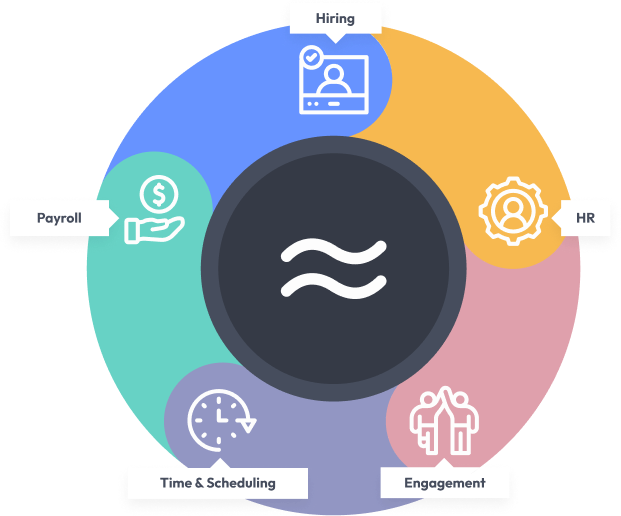

Hiring
Hire better quality workers, faster

HR
Streamline people processes and ensure employee records are always accurate

Engagement
Reduce turnover and increase worker engagement

Time & Scheduling
Manage schedules and hours worked to optimize your labor costs

Payroll
Pay your team quickly, easily, and accurately
resources
Become a hiring and onboarding expert.

Be smart with your hourly workforce
