



How to Hire Mental Health Counselors: Step-by-Step Guide for Finding Top Talent
Discover the best practices and essential steps to hire mental health counselors effectively for your team and create a supportive workplace environment.

How to Hire Mental Health Counselors: A Practical Guide for Small Businesses
Let’s be honest—finding and hiring great mental health counselors isn’t just a box to check. It’s a mission that can shape the well-being of your clients, your team, and your business as a whole. Whether you run a community clinic, a school, or a growing telehealth startup, the process to hire mental health counselors can feel like threading a needle during a thunderstorm. But, if you ask me, with the right approach, you can build a team that truly makes a difference.
Why Hiring the Right Mental Health Professionals Matters
Before we get into the nitty-gritty, let’s pause for a second—why does it matter so much to hire mental health professionals who are the right fit? The answer is simple: the stakes are high. The right counselor can help clients thrive, reduce turnover, and even boost your organization’s reputation. According to recent research on job satisfaction and turnover intention, workplace culture and satisfaction are tightly linked to retention—especially in fields like behavioral health, where burnout is all too common.
And let’s not forget the financial side. As employee turnover costs can eat into your bottom line, investing in a solid hiring process isn’t just good for people—it’s good for business.
Step-by-Step: How to Recruit Counselors Who Stick Around
1. Clarify Your Needs and Write a Standout Job Description
First things first: get crystal clear on what you need. Are you looking to hire counselors with specific licenses (like LCSW, LPC, LMFT), or do you need someone with experience in trauma, addiction, or youth services? A well-crafted job description is your north star. Check out these tips for writing effective handbooks and job descriptions—the principles apply far beyond restaurants.
Don’t be shy about highlighting benefits, flexibility, and growth opportunities. The impact of benefits on recruitment and retention is huge, even in mental health. If you’re not sure how to call out perks, here’s a guide to highlighting benefits in your job descriptions.
2. Source Candidates Where They Are
Let’s face it, the days of “post and pray” are over. To recruit counselors effectively, you need to fish where the fish are biting. Consider:
- Digital recruiting strategies that broaden your reach
- Professional associations and university job boards
- Referrals from your own team—sometimes the best hires come from your network
- Social media and niche platforms (LinkedIn, Psychology Today, even Instagram—see these Instagram hiring tips)
And don’t forget to leverage technology. Platforms like Workstream’s hiring automation tools can save you hours by streamlining applications, screening, and interview scheduling, so you spend less time on paperwork and more time connecting with real people.
3. Screen for Skills—and Heart
Sure, credentials matter. But if you ask any seasoned manager, the best counselors blend technical chops with empathy, resilience, and a knack for teamwork. Use structured interviews (the STAR method is a lifesaver) and consider pre-employment assessments to get a fuller picture of each candidate.
Don’t forget to ask about cultural fit. Here are some great cultural fit interview questions to help you find someone who’ll thrive in your unique environment.
4. Move Fast—But Stay Compliant
Speed is key in mental health staffing, especially with the current talent shortage. But don’t cut corners on compliance. Make sure you’re following all state licensing requirements, background checks, and wage recordkeeping rules. If you’re not sure about the rules for part-time or hourly staff, here’s a guide to part-time hours and benefits eligibility.
Automated onboarding tools, like those from Workstream, can help you tick every box—digitally and securely—without drowning in paperwork. Plus, they make it easier to keep track of compliance documents and training checklists, which is a lifesaver when audits roll around.
5. Onboard and Support for Long-Term Retention
Here’s the thing: hiring is just the beginning. To keep your counselors engaged (and avoid the dreaded revolving door), invest in onboarding and ongoing support. A strong onboarding process can reduce turnover by half—no joke. For inspiration, see these onboarding templates for a great new hire experience.
And don’t underestimate the power of recognition, flexibility, and professional development. As research on hourly worker retention shows, engagement leads to loyalty, and loyalty leads to better outcomes for everyone.
Common Pitfalls in Mental Health Counselor Recruitment
Even the best-intentioned employers can stumble. Here are a few traps to watch out for:
- Vague job descriptions: If you’re not specific, you’ll attract the wrong candidates (or none at all).
- Slow response times: Good candidates get snapped up fast. Automated scheduling can help you stay ahead.
- Ignoring culture fit: Skills matter, but so does attitude. Don’t skip those deeper questions.
- Neglecting onboarding: A rushed or confusing start is a recipe for early turnover.
- Overlooking compliance: Fines and legal headaches are no one’s idea of a good time. Stay organized from day one.
If you want to see how other industries tackle similar issues, check out this look at turnover in the restaurant industry. The lessons are surprisingly universal.
Tools and Resources to Streamline Mental Health Staffing
Let’s be real—technology can be your best friend in mental health counselor recruitment. Platforms like Workstream offer:
- Automated job posting and applicant tracking
- Mobile-friendly communication (text reminders and updates)
- Digital onboarding and compliance tracking
- Integrated scheduling and payroll solutions
By consolidating your HR tools, you can save up to 50% on HR costs and cut your time-to-hire in half. That’s not just a win for your bottom line—it’s a breath of fresh air for your team. And, honestly, who couldn’t use a little less stress these days?
Final Thoughts: Building a Resilient Team, One Counselor at a Time
Hiring mental health counselors isn’t just about filling seats—it’s about building a resilient, compassionate team that can weather the ups and downs of this demanding field. By being intentional in your recruitment, using smart tools, and investing in onboarding and retention, you’re setting your organization up for long-term success.
Want to learn more about how technology can help you hire mental health counselors and support your team? Check out Workstream’s all-in-one HR platform or explore their resources for hourly businesses. And if you’re curious about how other businesses are handling hiring, take a look at these must-know hiring statistics or see how Dunkin’ improved hiring and applicant experience.
Related Reading from Workstream
.svg)


All your important HR tasks under one roof
Today’s business owners and HR teams are overwhelmed with administrative tasks: manual processes and exports, duplicative data entry, and siloed information. Workstream centralizes and simplifies people tasks so you can move fast, reduce labor costs, and simplify operations—all in one place.
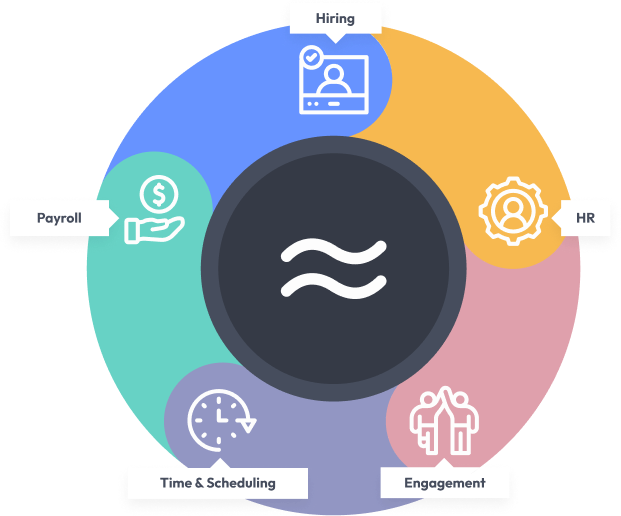

Hiring
Hire better quality workers, faster

HR
Streamline people processes and ensure employee records are always accurate

Engagement
Reduce turnover and increase worker engagement

Time & Scheduling
Manage schedules and hours worked to optimize your labor costs

Payroll
Pay your team quickly, easily, and accurately
resources
Become a hiring and onboarding expert.


Be smart with your hourly workforce
