



How to Hire Nursing Assistants: Proven Steps to Find, Recruit, and Retain Top CNA Talent
Discover the essential steps to hire nursing assistants efficiently, from sourcing candidates to onboarding, and build a dedicated healthcare team for your facility.

How to Hire Nursing Assistants: A Practical Guide for Healthcare Employers
If you’re running a healthcare facility—whether it’s a bustling hospital, a cozy assisted living center, or something in between—you already know that to hire nursing assistants is to keep your operation running smoothly. But let’s be honest, finding and keeping great CNAs (Certified Nursing Assistants) isn’t as easy as posting a job and hoping for the best. There’s a real art (and a bit of science) to nursing assistant recruitment these days. So, what works? What’s changed? And how can you set your team up for long-term success? Let’s dig in.
Understanding the Nursing Assistant Landscape
The Current State of Nursing Staff Recruitment
Healthcare is facing a staffing crunch—no surprise there. The demand to find healthcare workers is higher than ever, especially for those crucial nursing aide positions. According to the American Staffing Association, the staffing industry is a major player in filling these roles, but turnover remains stubbornly high. Why? Burnout, low pay, and lack of recognition are frequent culprits, as discussed in this deep dive on turnover in hospitality—and the same logic applies in healthcare.
But here’s the twist: when you get recruitment right, you don’t just fill shifts—you build a culture that keeps people coming back. Job satisfaction and organizational culture are tightly linked to turnover intention. If you ask me, investing in the right people pays off in ways that go far beyond the bottom line.
Challenges in Recruiting Nursing Aides
- High Turnover: The cost of losing a CNA is significant. Turnover costs can eat into margins and affect patient care.
- Competition: Other facilities are also scrambling to recruit nursing aides, so standing out is crucial. Turnover costs in other industries show just how expensive this can get.
- Compliance: Don’t forget the legal stuff. Keeping up with recordkeeping and reporting requirements is a must, and mistakes can be costly.
Building a Winning Recruitment Strategy
Crafting Effective Job Descriptions
First impressions matter. Your job posting should be clear, specific, and highlight what makes your facility a great place to work. For inspiration, check out these job posting examples and tips for employee handbooks—yes, even from the restaurant world, because clarity and culture cross industries.
Don’t forget to call out benefits and growth opportunities. According to this DoorDash report, benefits are a major driver of recruitment and retention, and the lesson holds true for healthcare. For more on highlighting perks, see these tips for calling out benefits in job descriptions.
Expanding Your Candidate Search
- Use digital recruiting tools—think Monster’s digital recruiting strategies and Appcast’s benchmark report for targeting the right applicants.
- Don’t underestimate the power of referrals. Employee referral programs can bring in candidates who already fit your culture.
- Leverage assessment tools like eSkill’s pre-employment assessments to screen for the right skills and attitude.
- Consider social media and creative outreach—platforms like Instagram can help you hire hourly workers and reach younger talent.
Streamlining the Hiring Process
Speed matters. The faster you can move a qualified candidate from application to onboarding, the less likely you are to lose them to a competitor. Automated tools like Workstream’s hiring automation can cut your time-to-hire in half, reduce turnover, and keep your pipeline full. For a real-world example, see how a Dunkin’ franchisee improved hiring with automation.
And don’t forget compliance—Workstream’s platform helps you stay on top of part-time hours and benefits eligibility, so you can avoid costly mistakes.
Onboarding and Retaining Nursing Assistants
Effective Onboarding Practices
Getting new hires up to speed quickly is key. Digital onboarding tools can reduce the time it takes from hours to minutes, as detailed in these onboarding statistics. For practical templates, check out these onboarding templates.
Clear communication is essential. Automated reminders and mobile-friendly checklists keep everyone on track—no more lost paperwork or missed steps.
Engagement and Retention: The Secret Sauce
Keeping your CNAs happy isn’t just about pay—though that matters, too. Engagement is the real game-changer. This Harvard Business Review article highlights how engagement drives retention, especially among younger workers. And don’t overlook the impact of recognition, flexible scheduling, and growth opportunities. For more on boosting engagement, see these tips for improving engagement and how work-life balance affects engagement.
Want to see how technology can help? Gap’s approach to scheduling gives employees more control and reduces turnover—a lesson healthcare can borrow.
Common Pitfalls and How to Avoid Them
What Trips Employers Up?
- Slow Hiring: Taking too long to make an offer? You’ll lose candidates. Speed up with hiring automation.
- Poor Onboarding: A rocky start leads to early exits. Use structured onboarding templates to set new hires up for success.
- Ignoring Culture: If your workplace feels toxic or disorganized, word gets out fast. High turnover is often a symptom of deeper culture issues.
- Underestimating Compliance: Missing required documentation or mishandling pay can lead to big fines. Stay organized with digital HR tools and keep up with recordkeeping requirements.
Conclusion: Set Your Nursing Assistant Recruitment Up for Success
Hiring and retaining great nursing assistants isn’t just about filling open shifts—it’s about building a team that delivers excellent care and sticks around for the long haul. By focusing on clear job postings, fast and fair hiring processes, strong onboarding, and ongoing engagement, you’ll not only hire nursing assistants—you’ll keep them, too.
And if you’re looking for a way to cut turnover, speed up hiring, and save on compliance headaches, Workstream’s all-in-one HR and payroll platform is built for businesses just like yours. Want to see how it works? Contact Workstream for a demo or check out more resources for hiring hourly workers.
Related Reading from Workstream
.svg)


All your important HR tasks under one roof
Today’s business owners and HR teams are overwhelmed with administrative tasks: manual processes and exports, duplicative data entry, and siloed information. Workstream centralizes and simplifies people tasks so you can move fast, reduce labor costs, and simplify operations—all in one place.
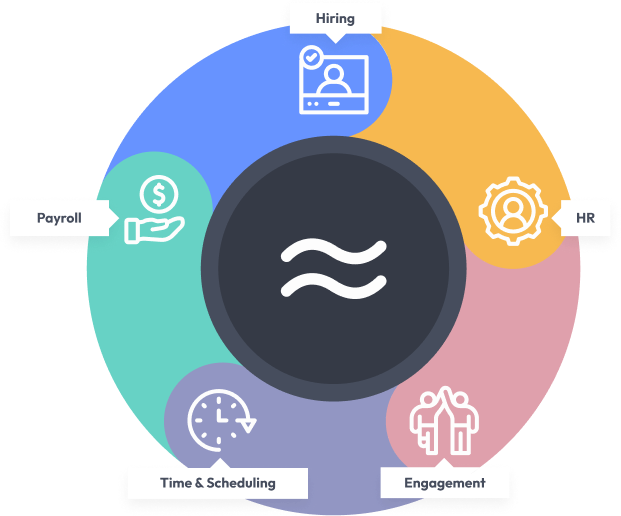

Hiring
Hire better quality workers, faster

HR
Streamline people processes and ensure employee records are always accurate

Engagement
Reduce turnover and increase worker engagement

Time & Scheduling
Manage schedules and hours worked to optimize your labor costs

Payroll
Pay your team quickly, easily, and accurately
resources
Become a hiring and onboarding expert.



Be smart with your hourly workforce
