



How to Hire Production Planners: Step-by-Step Guide to Attract, Interview, and Retain Top Talent
Learn effective strategies to hire production planners for your restaurant, from crafting job descriptions to interviewing and onboarding top talent quickly and efficiently.

How to Hire Production Planners: Your Guide to Building a Strong Operations Team
If you run a manufacturing or operations-based business, you know the value of a great production planner. But let’s be honest—finding and keeping the right person for this critical role can feel like searching for a needle in a haystack. The competition is fierce, the skills required are specialized, and the cost of a bad hire? Well, it’s not just about dollars—it’s about lost time, missed deadlines, and a whole lot of headaches. So, how do you hire production planners who’ll actually move your business forward? Let’s break it down, with a few digressions along the way—because, honestly, who doesn’t love a good tangent about what makes teams tick?
Understanding the Role: What Makes a Great Production Planner?
Core Responsibilities and Skills
A top-notch production planner is the lynchpin between your sales forecasts, inventory, and shop floor. They balance raw material orders, manage timelines, and keep communication flowing between departments. It’s a blend of analytical prowess, attention to detail, and people skills. If you ask me, it’s a little like being the conductor of an orchestra—each section needs to come in at just the right time, or the whole thing falls apart.
- Strong analytical and problem-solving skills
- Experience with ERP and scheduling software
- Excellent communication and teamwork abilities
- Adaptability—because things rarely go as planned
For a deeper dive into the importance of clear employee handbooks and well-defined roles, check out this guide on writing effective handbooks. It’s not just for restaurants—clarity benefits every team.
Why Production Planners Matter More Than Ever
With supply chains under stress and customer expectations through the roof, hiring the right production planner can be the difference between thriving and barely surviving. According to industry research, turnover in key roles like this can cost thousands per incident. And that’s before you factor in the ripple effects—missed shipments, overtime, and unhappy customers.
Production Planner Recruitment: Where to Start?
Crafting the Right Job Description
It all starts with the job post. Be specific about your needs, but don’t just copy-paste a generic template. Highlight the unique aspects of your operation and the growth opportunities. For inspiration, take a look at these job posting examples designed to attract quality candidates, or get creative with these tips to make your job posting stand out.
And don’t forget to call out benefits—studies show they’re a huge draw for top talent. This report on benefits and recruitment is packed with insights that apply well beyond the restaurant industry.
Where to Find the Best Candidates
Recruiting production scheduling specialists isn’t just about posting on the big job boards. Sometimes, the best candidates come from referrals or niche industry sites. Consider using platforms that cater to hourly and specialized roles, like Workstream’s hiring automation tools, which help you streamline the process and reach candidates where they’re already looking.
For more on proactive sourcing, check out this guide on finding candidates efficiently, or see how digital recruiting strategies can expand your reach in this digital recruiting overview.
Interviewing and Selecting the Right Operations Planner
Screening for Skills and Culture Fit
Let’s be real—resumes only tell part of the story. Structured interviews, skills assessments, and scenario-based questions help you see how candidates think on their feet. Try out some motivational interviewing techniques or explore these cultural fit interview questions to dig deeper.
And if you’re pressed for time (who isn’t?), leveraging AI-driven screening tools can save hours each week and reduce no-shows by more than half. That’s not just a claim—it’s a reality for businesses using Workstream’s hiring automation suite.
Assessments and Reference Checks
Don’t skip the skills tests or reference checks. Tools like eSkill’s pre-employment assessments can help you objectively evaluate technical know-how, while structured reference questions can reveal a candidate’s reliability and adaptability.
For more tips on vetting candidates, see this webinar on hiring and onboarding dos and don’ts.
Onboarding and Retaining Your New Manufacturing Planner
Onboarding Done Right
First impressions matter—a lot. A smooth onboarding process can reduce turnover and set your new hire up for success. Consider using onboarding templates to streamline paperwork and training, or explore these tips for effective onboarding from industry leaders.
And don’t underestimate the power of a warm welcome—recognition and early wins can boost engagement and retention, as discussed in this employee recognition overview.
Keeping Your Operations Planner Engaged
Retention is a marathon, not a sprint. Regular feedback, opportunities for growth, and a supportive culture go a long way. Want to know what really keeps employees happy? Check out this survey on employee satisfaction and this research on engaging young hourly workers.
And if you’re worried about turnover, you’re not alone. Here’s a look at how turnover affects the industry and some common causes of turnover—many of which apply to manufacturing and operations roles, too.
Compliance, Compensation, and Scheduling: Don’t Drop the Ball
Legal and Recordkeeping Essentials
Hiring and managing production planners means keeping up with wage laws, overtime, and recordkeeping. For the basics, the U.S. Department of Labor’s guide is a must-read. And if you want to avoid costly compliance mistakes, consider platforms that automate documentation and scheduling—saving you both time and money.
Pay, Benefits, and Scheduling
Competitive pay and flexible schedules are huge draws. See how leading brands structure their hourly wage offerings and how benefits can impact turnover rates. For scheduling, these 24-hour schedule templates can help keep your operations running smoothly.
Conclusion: The Right Tools Make All the Difference
Hiring production planners isn’t just about filling a seat—it’s about finding someone who can orchestrate your operations and keep your business humming. With the right approach to production planner recruitment, thoughtful onboarding, and a focus on engagement, you’ll not only hire manufacturing planners who stick around, but also build a stronger, more resilient team. And if you’re looking for a way to make the whole process smoother, faster, and less stressful, platforms like Workstream are designed to help you hire, onboard, and manage your hourly workforce—all in one place.
Ready to take the next step? Explore more about hiring automation, see how restaurant hiring is evolving, or dive into what makes employees stick around. And if you’re still curious, check out these resources on calling out benefits and where to post jobs for free.
Disclaimer: This article is for informational purposes only and does not constitute legal advice. Always consult a qualified professional for compliance and employment law guidance.
Looking for more? You might find these guides helpful:
.svg)


All your important HR tasks under one roof
Today’s business owners and HR teams are overwhelmed with administrative tasks: manual processes and exports, duplicative data entry, and siloed information. Workstream centralizes and simplifies people tasks so you can move fast, reduce labor costs, and simplify operations—all in one place.
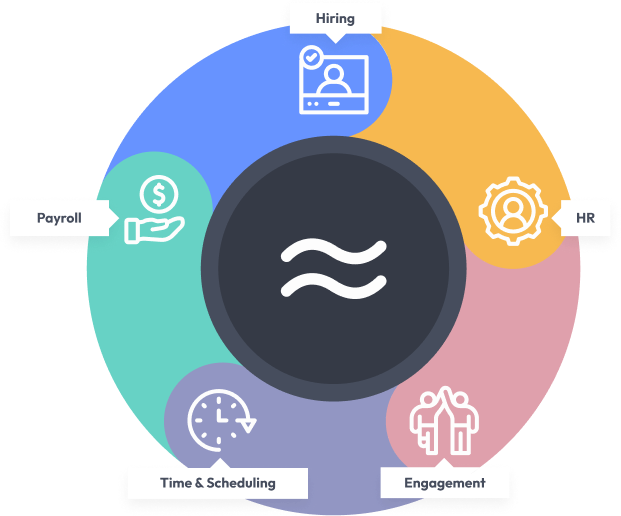

Hiring
Hire better quality workers, faster

HR
Streamline people processes and ensure employee records are always accurate

Engagement
Reduce turnover and increase worker engagement

Time & Scheduling
Manage schedules and hours worked to optimize your labor costs

Payroll
Pay your team quickly, easily, and accurately
resources
Become a hiring and onboarding expert.

Be smart with your hourly workforce
