



How to Hire Cooks: Streamline Your Restaurant’s Hiring Process for Top Culinary Talent
Streamline how you hire cooks and kitchen staff with Workstream’s mobile-first platform—making it easy to recruit line cooks, find culinary talent, and build your ideal kitchen team.

How to Hire Cooks: A Practical Guide for Restaurant Owners
Finding the right people to hire cooks for your restaurant isn’t just about filling a spot on the schedule—it’s about building a kitchen team that can handle the heat, literally and figuratively. If you ask me, it’s one of the most important investments you’ll make as an owner or manager. But how do you recruit line cooks, hire kitchen staff that stick around, and actually find culinary talent who care? Let’s break it down, from the first job post to the final taste test.
Getting Started: What Makes a Great Cook?
Before you even post a job ad, ask yourself: what does your ideal cook look like? Are you seeking someone with years of experience, or is attitude and willingness to learn more important? According to this Harvard Business Review article, hiring for attitude and training for skill can reduce turnover and boost morale. That’s something every restaurant owner can get behind.
Essential Qualities to Look For
- Reliability: Can they show up on time—even after a long night?
- Teamwork: The kitchen is a team sport. Lone wolves rarely last.
- Adaptability: Can they handle a menu change or a rush without losing their cool?
- Attention to Detail: Precision matters, whether it’s knife cuts or food safety.
To help define these qualities in your own context, check out this guide on top-performing managers. Many principles apply directly to kitchen staff as well.
Recruiting Cooks: Where to Find Culinary Talent
If you want to hire kitchen staff who’ll stick around, you need to meet them where they are. Sure, word of mouth still works wonders—especially in tight-knit communities—but digital tools have changed the game. Social media, job boards, and even text-based recruiting platforms are now essential parts of the playbook.
Modern Tools for Sourcing Candidates
- Workstream’s hiring automation platform—tailored for hourly roles like cooks and line staff.
- Free job posting sites that reach local candidates fast.
- Surveys on what makes restaurant employees happy, so you can tailor your pitch.
- Instagram recruiting tips for reaching younger talent.
- Digital recruiting strategies from Monster.com
If you’re struggling to fill shifts, consider how benefits can help. According to DoorDash’s report on recruitment and retention, offering perks—even small ones—can give you an edge in attracting and keeping staff.
The Interview: How to Spot the Real Deal
Let’s be honest: resumes only tell part of the story. When you’re looking to hire restaurant cooks, practical skills and cultural fit matter just as much as what’s on paper. So, how do you separate the wheat from the chaff?
Interview Tactics That Work
- Motivational interviewing techniques—get candidates talking about what drives them.
- Ask culture fit questions that reveal how they’ll mesh with your team.
- Use the STAR method for behavioral interview questions.
- Get creative with your job postings and questions.
If you’re feeling stuck, try staging a paid working interview—a “trail” shift. It’s a classic move in the industry and gives both you and the candidate a real sense of fit. Just be sure to follow local labor laws; check out this Department of Labor guide on recordkeeping for compliance details.
Onboarding & Retention: Keeping Your Kitchen Team Happy
You’ve managed to find culinary talent. Now what? The first days on the job are crucial—mess up onboarding, and you risk losing great hires before they even hit their stride. According to recent onboarding statistics, effective onboarding can mean the difference between high turnover and a loyal crew.
Smooth Onboarding in Practice
- Use digital onboarding templates to streamline paperwork and training.
- Conduct effective training sessions that build competence and confidence.
- Improve communication across your team, especially with new hires.
- Centralize employee data and compliance tasks digitally.
- Prioritize food safety training from day one.
Retention is its own beast. High turnover is expensive—some sources estimate thousands per lost cook. To keep your kitchen team intact, focus on engagement, scheduling flexibility, and open communication. If you’re curious about how tech can help, see how Workstream’s platform automates scheduling and engagement tasks, freeing up managers for actual leadership (and maybe even a breather).
Compliance & Legal Details: Don’t Get Burned!
Nobody likes paperwork—but ignoring compliance when you hire cooks can cost you big time. From wage records to food safety certifications, there’s plenty to keep track of. Here’s the thing: digital tools make it easier than ever to stay above board without drowning in forms.
- Understand wage recordkeeping requirements.
- Verify food handler certifications.
- Consult legal experts when in doubt about employment law.
- Disclaimer: This article is not legal advice. Always consult a qualified professional regarding labor law compliance in your state or city.
The Bottom Line: Building a Kitchen Team That Lasts
If you want to hire kitchen team members who stick around, it takes more than luck (and definitely more than free pizza). It’s about using smart tools, understanding what motivates cooks today, and respecting their time and effort. Technology like Workstream’s hiring automation suite can cut your time-to-hire in half—and honestly, who doesn’t want less paperwork and more time on the floor?
The restaurant industry is tough, but with the right approach to recruiting line cooks and onboarding new hires, you’ll build a team that not only survives but thrives—even when the Saturday night rush hits like a freight train. And if you’re still not sure where to start, take a peek at these resources:
- Restaurant hiring essentials
- Job posting examples that attract quality applicants
- Franchise growth stories for inspiration
- Scheduling templates for better shift coverage
- Tips for highlighting benefits in job ads
If you ask me, hiring cooks isn’t just another task—it’s the secret sauce behind every great meal. Good luck out there!
.svg)


All your important HR tasks under one roof
Today’s business owners and HR teams are overwhelmed with administrative tasks: manual processes and exports, duplicative data entry, and siloed information. Workstream centralizes and simplifies people tasks so you can move fast, reduce labor costs, and simplify operations—all in one place.
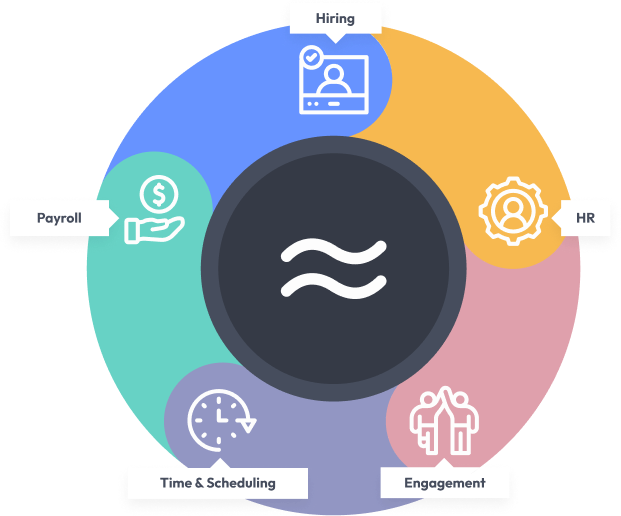

Hiring
Hire better quality workers, faster

HR
Streamline people processes and ensure employee records are always accurate

Engagement
Reduce turnover and increase worker engagement

Time & Scheduling
Manage schedules and hours worked to optimize your labor costs

Payroll
Pay your team quickly, easily, and accurately
resources
Become a hiring and onboarding expert.


Be smart with your hourly workforce
