



How to Hire Domestic Engineers: Streamline Household Staff Recruitment with Workstream
Streamline how you hire domestic engineers with Workstream’s mobile-first platform—making it easy to recruit cleaning staff, onboard housekeepers, and manage household staff efficiently.

How to Hire Domestic Engineers: A Practical Guide for Small Business Owners
Let’s be honest—finding the right person to keep your home (or your client’s home) running smoothly is a bit like searching for the perfect wrench in a cluttered toolbox. You know what you need, but the process of how to hire domestic engineers can feel overwhelming. Whether you’re looking to hire housekeepers, recruit cleaning staff, or dive into the world of household staff recruitment, you want a process that’s efficient, compliant, and—let’s face it—stress-free. So, how do you get there?
What Exactly Is a Domestic Engineer?
Before we get too far, let’s clear up the terminology. “Domestic engineer” is a modern, respectful term for professionals who handle the day-to-day operations of a household. This can include cleaning, organizing, laundry, and sometimes even light meal prep or errands. The role’s evolved—these aren’t just housekeepers; they’re the backbone of a well-run home or business. And if you ask me, in today’s world, they deserve every bit of that title.
Why the Right Hire Matters
Think about it: a great domestic engineer can save you hours each week, improve your quality of life, and even help protect your property’s value. But a poor fit? That’s a headache nobody wants. According to industry research, high turnover in service roles can cost you thousands, not to mention the stress of retraining and the potential for mistakes. It’s a classic case of “hire slow, fire fast”—but wouldn’t it be better if you could just hire right the first time?
Steps to Hire Domestic Engineers (Without Losing Your Mind)
1. Define the Role Clearly
- Be specific about duties: Cleaning, laundry, organizing, errands, pet care, or anything else?
- Set expectations for hours, pay, and flexibility. For example, will you need someone who can handle last-minute schedule changes?
- Consider cultural fit—someone who respects your routines and communicates well is worth their weight in gold.
For inspiration, check out these tips for crafting an effective employee handbook—the principles apply to household roles, too.
2. Source Candidates Smartly
- Use reputable job boards and staffing agencies that specialize in domestic engineer recruitment. It’s tempting to post a quick ad on Craigslist, but quality matters.
- Leverage technology—platforms like Workstream make it easy to hire housekeepers and recruit cleaning staff with automated screening and scheduling.
- Ask for referrals. Sometimes your best hire is just a conversation away.
Want to see how tech is changing the game? Read about how Gap gave employees more control over their schedules—it’s a great example of how digital tools can benefit both sides.
3. Screen and Interview Effectively
- Check references and backgrounds. Safety and trust are non-negotiable.
- Use structured interviews. Ask about experience, problem-solving, and flexibility. Need ideas? Here are some cultural fit interview questions to get you started.
- Test for practical skills. A quick cleaning demo or organizational challenge can reveal a lot.
Don’t forget to highlight the perks and expectations in your job post—these tips for calling out benefits can help your ad stand out.
4. Onboard and Retain Your New Hire
- Set clear guidelines and provide a simple operations manual. Need a template? Here’s a guide to onboarding templates that can save you time.
- Communicate regularly. Feedback—both positive and constructive—builds trust and keeps everyone on the same page.
- Offer fair compensation and benefits. According to DoorDash’s research, benefits are a top driver of retention, even in hourly roles.
And let’s be real: retention is everything. High turnover is expensive and disruptive. For more on why people leave (and how to keep them), check out this deep dive on turnover causes and how to improve engagement for hourly workers.
Legal and Compliance Considerations (Don’t Skip This!)
Here’s the thing—hiring domestic engineers isn’t just about finding a friendly face. There are real legal requirements, from wage recordkeeping to background checks and, in some cases, tax withholding. If you’re new to household staff recruitment, it’s smart to consult a local expert or use a platform that helps you stay compliant. Workstream, for example, offers built-in compliance tools that can help you avoid costly mistakes (and those pesky lawsuits nobody wants to talk about).
Disclaimer: This article is for informational purposes only—not legal advice. Always check local laws or consult a professional before making hiring decisions.
Common Pitfalls and How to Avoid Them
- Hiring in a hurry: Take your time—rushed decisions usually backfire.
- Skipping background checks: Safety first, always.
- Not setting clear expectations: Ambiguity breeds frustration for everyone.
- Ignoring onboarding: Even the best hire needs a proper welcome and training.
For more on what happens when things go sideways, see the real cost of employee turnover and how turnover hits your bottom line.
Modern Tools for Smarter Household Staff Recruitment
Let’s talk tech for a second. Platforms like Workstream are changing the way small businesses and homeowners hire domestic engineers. With features like automated interview scheduling, mobile-friendly onboarding, and compliance tracking, you can cut your time-to-hire in half and reduce turnover by up to 50%. That’s not just marketing fluff—that’s real savings, both in dollars and in peace of mind.
Curious how automation can help? Take a look at these hiring and firing statistics and see why more businesses are making the switch. And if you want to see how a franchise can scale with the right systems, don’t miss the Five Guys growth story—it’s proof that the right hiring process is a game-changer.
Tips for Keeping Your Team Happy (and Productive)
- Recognize good work—sometimes a simple thank you goes a long way.
- Offer opportunities for growth, even if it’s just learning new skills or taking on more responsibility.
- Be flexible when you can. Life happens, and a little understanding builds loyalty.
For more on what makes hourly employees stick around, check out the 7shifts survey on employee happiness and what companies can do better to keep their teams engaged.
Conclusion: A Better Way to Hire Domestic Engineers
Hiring the right domestic engineer isn’t just about finding someone to sweep the floors or fold the laundry. It’s about building trust, improving your quality of life, and, honestly, saving yourself from a world of headaches down the road. With clear expectations, smart screening, and the right technology—like Workstream’s hiring automation tools—you can make the process smoother, faster, and more reliable. And who doesn’t want that?
Ready to start your search? Whether you’re looking to recruit cleaning staff for a growing business or just want a little help at home, remember: the right hire can make all the difference. And if you ever feel stuck, remember—there’s no shame in asking for help or using the latest tools to make your life easier. After all, isn’t that what great technology is for?
Further Reading and Resources
.svg)


All your important HR tasks under one roof
Today’s business owners and HR teams are overwhelmed with administrative tasks: manual processes and exports, duplicative data entry, and siloed information. Workstream centralizes and simplifies people tasks so you can move fast, reduce labor costs, and simplify operations—all in one place.
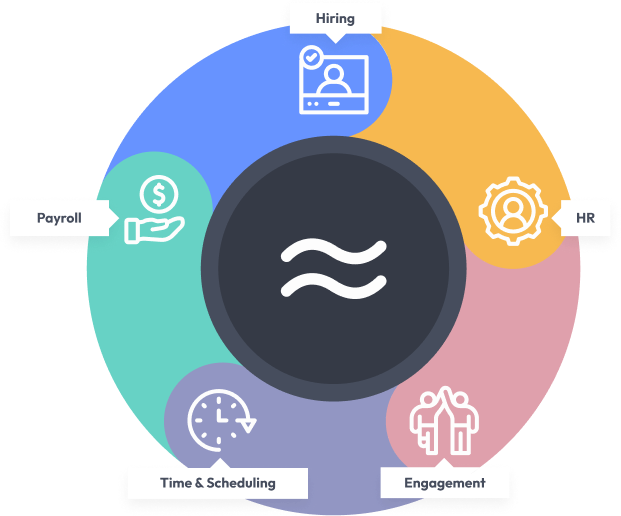

Hiring
Hire better quality workers, faster

HR
Streamline people processes and ensure employee records are always accurate

Engagement
Reduce turnover and increase worker engagement

Time & Scheduling
Manage schedules and hours worked to optimize your labor costs

Payroll
Pay your team quickly, easily, and accurately
resources
Become a hiring and onboarding expert.

Be smart with your hourly workforce
