



How to Hire Floor Managers: Tips to Find and Recruit the Best for Your Restaurant
Discover proven strategies to hire floor managers for your restaurant, streamline recruitment, and build a reliable team to boost customer satisfaction and operational efficiency.

How to Hire Floor Managers: A Practical Guide for Restaurant Owners
If you’ve ever tried to hire floor managers for your restaurant, you know it’s not as simple as posting a job and hoping for the best. The right floor manager can make the difference between a smooth dinner rush and a chaotic night that leaves everyone frazzled. But how do you actually find the right person for the job—and what should you be looking for? Let’s roll up our sleeves and get into the nitty-gritty of building a winning management team.
What Makes a Great Floor Manager?
The Heartbeat of Restaurant Operations
Floor managers are the unsung heroes of the hospitality world. They’re the ones who keep the dining room humming, the staff motivated, and the customers happy. But what separates a good floor manager from a great one? According to this guide on general manager qualities, it’s a blend of leadership, adaptability, and a knack for problem-solving under pressure.
- Leadership: Inspiring the team, not just bossing them around.
- Communication: Clear, direct, and always approachable—think of them as the team’s quarterback.
- Attention to Detail: From table settings to shift changes, the little things matter.
- Customer Focus: They see complaints as opportunities, not headaches.
And let’s not forget, a sense of humor helps when the kitchen printer jams during the Friday night rush. If you ask me, resilience is just as important as experience.
Why Hiring the Right Floor Manager Matters
High turnover in restaurant management positions can cost you more than you think. Not only does it impact morale, but it also affects your bottom line. A strong floor manager can reduce turnover, boost team engagement, and keep those Yelp reviews trending up instead of spiraling down.
How to Find Restaurant Managers Who Fit Your Culture
Start with a Clear Job Description
Honestly, writing a job description shouldn’t feel like pulling teeth. Yet, so many owners struggle to articulate exactly what they need. For inspiration, check out these tips for creating a restaurant employee handbook and examples of effective job postings. Make sure you highlight your restaurant’s values, expectations, and the perks you offer—benefits matter more than ever, as this DoorDash report on benefits shows.
Leverage Technology and Networks
Gone are the days when a “Help Wanted” sign in the window did the trick. To find restaurant managers who are a good fit, you’ll want to use digital platforms. Tools like Workstream’s hiring automation can help you reach candidates faster and screen them efficiently. Don’t underestimate the power of social media either—posting on Instagram for hiring can widen your net and attract younger, tech-savvy talent.
And if you’re looking for creative ways to stand out, these recruitment ad ideas might spark some inspiration.
Interview for Culture and Competence
Skills can be taught, but attitude is harder to change. When you recruit floor supervisors, ask questions that reveal how they handle stress, conflict, and change. Consider using the STAR interview method or these cultural fit interview questions to dig deeper. And don’t forget to check references—sometimes, what’s left unsaid speaks volumes.
Recruiting Floor Supervisors: Avoiding Common Pitfalls
Don’t Rush the Process
It’s tempting to fill the position quickly, especially if you’re short-staffed. But hiring in haste can lead to regrets down the road. Studies on the cost of turnover show that replacing a single front-line employee can cost thousands. Imagine what a bad management hire could do.
Look Beyond the Resume
Some of the best floor managers didn’t start out in restaurants at all. Maybe they managed a retail store or ran events. What matters is their ability to lead, adapt, and learn. This Harvard Business Review case study highlights the value of hiring for attitude and training for skill—a strategy that’s paid off for some of the biggest names in the business.
Offer Competitive Compensation and Benefits
Let’s be real: pay and perks matter. According to industry guidelines on payroll costs, investing in your management team pays off in retention and performance. Consider flexible scheduling, health benefits, or even instant pay access—something Workstream’s payroll tools can help facilitate.
Streamlining the Hiring Process with Modern Tools
Automate the Mundane, Focus on the Human
Why spend hours sifting through applications when you could be building your team? Platforms like Workstream automate screening, interview scheduling, and onboarding. That means you save time, reduce paperwork, and can focus on what really matters—connecting with candidates.
Automation isn’t cold or impersonal; it’s about freeing up your time so you can make better decisions. And, as this recruitment marketing report points out, speed is everything in today’s hiring market. If you’re not reaching out fast, someone else will.
Ensuring Compliance and Reducing Risk
Don’t forget the legal side. Accurate recordkeeping is a must—see the Department of Labor’s guidelines—and onboarding needs to be thorough but efficient. Digital workflows, like those offered by Workstream, help you stay compliant and organized, so you can sleep a little easier at night.
Conclusion: Building a Strong Management Team for the Long Haul
Hiring floor managers isn’t just about plugging a hole in your schedule. It’s about investing in the future of your business. Take the time to define what you need, use the right tools to reach candidates, and don’t be afraid to think outside the box. Remember, the best managers aren’t always the ones with the flashiest resumes—they’re the ones who show up, step up, and bring out the best in your team.
For more insights on restaurant hiring, manager qualities, and identifying committed employees, check out Workstream’s resources. And if you’re ready to streamline your hiring process, see how Workstream can help you build a stronger, happier team—without the headaches.
.svg)


All your important HR tasks under one roof
Today’s business owners and HR teams are overwhelmed with administrative tasks: manual processes and exports, duplicative data entry, and siloed information. Workstream centralizes and simplifies people tasks so you can move fast, reduce labor costs, and simplify operations—all in one place.
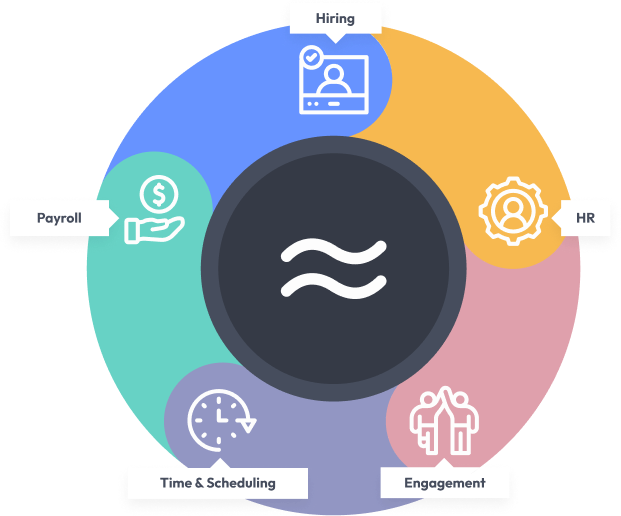

Hiring
Hire better quality workers, faster

HR
Streamline people processes and ensure employee records are always accurate

Engagement
Reduce turnover and increase worker engagement

Time & Scheduling
Manage schedules and hours worked to optimize your labor costs

Payroll
Pay your team quickly, easily, and accurately
resources
Become a hiring and onboarding expert.


Be smart with your hourly workforce
