



How to Hire Vendor Managers: Step-by-Step Guide for Restaurants, Franchises, and HR Teams
Discover the best strategies to hire vendor managers for your restaurant. Learn key tips and steps to streamline your hiring process and build strong vendor relationships.

How to Hire Vendor Managers: A Practical Guide for Small Businesses
Let’s be honest—if you run a restaurant, franchise, or any operation with a steady flow of supplies, you know that finding and keeping the right vendor managers can feel like chasing a moving target. The stakes are high: a great vendor manager can save you thousands, while a bad fit can lead to headaches, stockouts, or even compliance nightmares. So, how do you hire vendor managers who actually make your life easier? Grab a cup of coffee and let’s get into the nitty-gritty.
Why Vendor Managers Matter (And Why It’s Hard to Find Good Ones)
First off, what exactly does a vendor manager do? In short, they’re the folks who keep your supply chain humming, negotiate contracts, and make sure you’re not overpaying for napkins or running out of chicken wings on a Friday night. But there’s more to it than just paperwork and phone calls.
- They build relationships with suppliers—think of them as your business’s “people person” for the outside world.
- They keep an eagle eye on compliance, making sure everything from food safety to labor laws is squared away. For more on compliance, check out these wage recordkeeping guidelines.
- They help cut costs, sometimes in ways you’d never expect—like switching vendors or renegotiating terms when the market shifts.
But here’s the catch: the best vendor managers are in high demand, and the skills needed—negotiation, organization, a dash of charm—aren’t always easy to find. According to this deep dive into hospitality turnover, high churn in procurement roles can cost you big time, both in dollars and lost knowledge.
Vendor Management: Not Just a Fancy Title
The role is evolving. It’s not just about ordering supplies anymore—it’s about risk management, compliance, and even sustainability. If you’re looking to hire supplier relationship managers, you want someone who can see the big picture, not just the bottom line.
How to Find Procurement Specialists Who Fit Your Business
Alright, so you know what you need. But where do you start? Here’s the thing: finding procurement talent is part science, part art. If you ask me, it’s a bit like picking the right chef—skills matter, but so does attitude.
- Write a job description that stands out. Don’t just list tasks—highlight what makes your business unique. For inspiration, check out these tips for restaurant handbooks and job posting examples that attract quality candidates.
- Use targeted platforms. Sites like Workstream are built for hourly and procurement roles, making it easier to find the right fit without sifting through piles of resumes.
- Screen for soft skills. Sure, technical know-how is important. But can they build relationships? Can they handle the stress of a late delivery? For more on what to look for, see these five traits of committed employees.
- Ask the right interview questions. Cultural fit matters. Try these cultural fit interview questions to see if your candidate meshes with your team.
Don’t Forget Compliance and Legal Details
Here’s a curveball: hiring vendor managers means you’re also trusting someone with sensitive contracts and compliance duties. Make sure your onboarding process includes recordkeeping and structured onboarding templates to avoid costly mistakes. And, just a friendly reminder—when in doubt, consult a legal professional. This isn’t legal advice, but it’s always good to double-check your bases.
What Makes a Great Vendor Manager? (And How to Spot Red Flags)
Let’s switch gears for a second. Imagine you’re at a family BBQ, and your cousin starts talking about their new job as a vendor manager. What makes them good at it? It’s not just about crunching numbers.
- Relationship-building chops. According to DoorDash’s report on recruitment and retention, benefits and communication matter more than you’d think.
- Attention to detail. One missed shipment can throw off your whole week. For more on the cost of mistakes, see employee turnover and your bottom line.
- Adaptability. The market changes fast. A good vendor manager can pivot when needed—think of it like a quarterback calling an audible.
Red flags? Watch out for candidates who can’t give specific examples of past wins, or who seem more interested in the title than the work. For more, check out the real cost of turnover and why it pays to get this hire right the first time.
Tools That Make Vendor Management Easier
Honestly, nobody wants to spend their weekend buried in spreadsheets. That’s where solutions like Workstream’s HR and payroll platform come in. With mobile-first scheduling, digital onboarding, and automated reminders, you can cut time-to-hire in half and keep everyone on the same page—without the headache. Curious about how technology is transforming hourly hiring? Take a look at these hiring and firing statistics for a reality check.
Practical Tips for Hiring (and Keeping) Top Vendor Managers
Ready to get started? Here are a few down-to-earth tips that’ll help you hire vendor managers who stick around and actually add value:
- Offer competitive pay and benefits. It’s not all about money, but it sure helps. See how top companies pay their hourly staff and adjust your offer accordingly.
- Invest in onboarding and training. A smooth start makes all the difference. Use these onboarding tips and templates to set your new hire up for success.
- Keep communication open. Regular check-ins and feedback sessions go a long way. For more, see how to solve retail communication problems.
- Recognize and reward good work. Even a simple “thank you” can boost morale. For ideas, check out employee recognition strategies.
Common Pitfalls to Avoid
- Don’t rush the process. A bad hire costs more than an empty seat—see the true cost of hiring mistakes.
- Don’t ignore cultural fit. For hourly businesses, a manager who “gets” your team is worth their weight in gold. Try these culture fit questions to dig deeper.
- Don’t forget about compliance. The paperwork may seem tedious, but it keeps you out of hot water. For a refresher, visit the Department of Labor’s recordkeeping guide.
Conclusion: Setting Your Vendor Management Up for Success
If you’ve made it this far, you’re already ahead of the pack. Hiring the right vendor manager isn’t just about filling a seat—it’s about building a foundation for your business to grow, adapt, and thrive. With the right tools, a clear process, and a bit of patience, you’ll find someone who can handle the chaos and keep your shelves stocked. And if you’re looking to make life easier for both you and your new hire, Workstream’s all-in-one platform is worth a look—especially if you want to save time, cut costs, and focus on what you do best: serving your customers.
Further Reading on Vendor Management and Hiring
- Discover how benefits impact recruitment and retention in restaurants
- Explore the causes of high employee turnover and how to fix them
- Read about what makes restaurant employees happy
- Learn the real cost of turnover for your bottom line
- Find out how to fix high turnover rates in your business
- Get tips on engaging and retaining young hourly workers
- Check out how top companies keep hourly workers happy
- See payroll cost guidelines for restaurants
- Review why high turnover costs more than you think
- Understand the link between job satisfaction and turnover intention
- Get robust retention strategies from SHRM
- Explore the impact of flexibility and work-life balance
- See main causes of turnover in hospitality
- Check out how turnover affects your restaurant’s bottom line
- Find employee retention strategies for the new world of work
- Review the cost of turnover in restaurants
- Learn how benefits can help you hire top talent
- Discover onboarding templates for a great new hire experience
- Explore traits of committed employees
- See cultural fit interview questions
- Find job posting examples that attract quality hires
Related Workstream Resources
- Check out Workstream’s platform for streamlined hiring and onboarding
- Read about onboarding templates for new hires
- Explore traits of committed employees to look for
- See how to assess cultural fit in interviews
- Browse examples of effective job postings
.svg)


All your important HR tasks under one roof
Today’s business owners and HR teams are overwhelmed with administrative tasks: manual processes and exports, duplicative data entry, and siloed information. Workstream centralizes and simplifies people tasks so you can move fast, reduce labor costs, and simplify operations—all in one place.
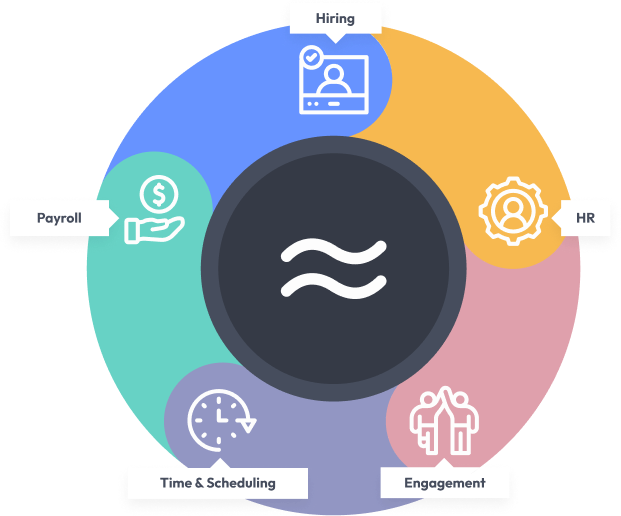

Hiring
Hire better quality workers, faster

HR
Streamline people processes and ensure employee records are always accurate

Engagement
Reduce turnover and increase worker engagement

Time & Scheduling
Manage schedules and hours worked to optimize your labor costs

Payroll
Pay your team quickly, easily, and accurately
resources
Become a hiring and onboarding expert.



Be smart with your hourly workforce
