



How to Hire Kitchen Staffs: Step-by-Step Guide to Build Your Restaurant’s Best Kitchen Team
Discover proven steps to hire kitchen staffs efficiently, from crafting job descriptions to onboarding, and build a reliable restaurant team for smooth kitchen operations.

How to Hire Kitchen Staffs: A Practical Guide for Building a Winning Restaurant Kitchen Team
If you ask any seasoned restaurant owner, they'll tell you—figuring out how to hire kitchen staffs is a bit like perfecting a family recipe. There’s no one-size-fits-all solution, but a dash of the right strategy, a sprinkle of tech, and a healthy dose of patience can make all the difference. Whether you’re opening your first location or just tired of the revolving door in your kitchen, let’s break down how to build a reliable, motivated restaurant kitchen team that keeps your business humming.
Setting the Table: Why Hiring the Right Kitchen Staff Matters
Let’s be honest—your kitchen is the heart of your restaurant. A strong team of kitchen helpers, line cooks, and chefs can make or break your guest experience. High turnover rates are notorious in hospitality, with some studies showing that employee turnover can cost you thousands per lost worker. Not to mention the headaches of retraining, lost productivity, and the occasional kitchen meltdown when you’re short-staffed on a Friday night.
So, what’s behind all this churn? According to research, poor onboarding, unclear job expectations, and lack of growth opportunities are big culprits. If you want to recruit kitchen staff who stick around, it’s time to rethink your approach.
Recipe for Success: Steps to Hire Kitchen Staffs That Stick
1. Write Clear, Honest Job Descriptions
Start with the basics. Your job ad should spell out exactly what you expect—no sugarcoating. Highlight the must-have skills, physical requirements, and the pace of your kitchen. Need a dishwasher who can handle a mountain of plates in an hour? Say so. Looking for a line cook who thrives in organized chaos? Put it front and center. For inspiration, check out these job posting examples and creative tips to help your ad stand out.
2. Source Candidates Where They Hang Out
Gone are the days when a “Help Wanted” sign in the window was enough. Today’s best restaurant kitchen team members might be scrolling through Instagram or browsing Indeed. Use digital recruiting platforms to reach more candidates, and don’t underestimate the power of employee referrals. In fact, digital recruiting is now a must for staying competitive.
3. Screen and Interview Efficiently
Let’s face it: nobody has time for endless rounds of interviews. Use hiring automation tools to pre-screen candidates and schedule interviews. This can cut your time-to-hire in half—seriously, half! When you do interview, focus on both technical chops and attitude. Ask cultural fit questions and use behavioral interview techniques to get a sense of how they’ll handle the heat—literally and figuratively.
4. Onboard Like You Mean It
First impressions stick. A structured onboarding process—think digital forms, clear training checklists, and a warm welcome—can reduce early turnover and set your new hires up for success. For a smoother process, check out these onboarding templates and tips on getting onboarding right.
Beyond the Basics: Retaining and Engaging Your Kitchen Team
Offer Competitive Pay and Benefits
Money isn’t everything, but it sure helps. Benchmark your wages against the competition using resources like hourly wage comparisons. Consider offering perks—like flexible schedules or daily pay options—to attract and retain top talent. According to DoorDash, benefits can be a game-changer for hiring and keeping great staff.
Build a Positive Kitchen Culture
Ever worked in a kitchen where the chef’s mood set the tone for the whole shift? Yeah, culture matters. Foster respect, teamwork, and open communication. Studies show that organizational culture is a major driver of job satisfaction and lower turnover. And if you’re not sure where to start, check out these qualities of a great GM and tips for building a strong company culture.
Invest in Training and Growth
Don’t just throw your new kitchen helpers onto the line and hope for the best. Structured training not only boosts performance but also shows you care about their future. Use guides like effective training techniques and encourage cross-training to keep things fresh. When employees see a path for advancement, they’re more likely to stick around.
Use Tech to Make Life Easier
Managing schedules, payroll, and compliance can be a headache, but it doesn’t have to be. Platforms like Workstream streamline everything from hiring to onboarding to scheduling. You’ll save hours each week and reduce errors—plus, your team will appreciate the smooth experience. Curious about how tech is changing the game? Take a look at how Gap’s employees gained more control over their schedules and why McDonald’s and Taco Bell are leading the way in innovation.
Common Pitfalls (and How to Dodge Them)
- Skipping Reference Checks: It’s tempting to rush, but a quick call can save you from hiring someone who’s all sizzle and no steak.
- Neglecting Compliance: Keep up with recordkeeping requirements and labor laws—fines are no joke.
- Ignoring Red Flags: If a candidate can’t show up on time for the interview, chances are they’ll be late for shifts, too.
- Underestimating Onboarding: A “sink or swim” approach leads to mistakes and frustration. Take onboarding seriously.
Conclusion: Building Your Dream Kitchen Crew
Hiring kitchen staff isn’t just about filling empty aprons—it’s about building a team that will help your business grow, shift after shift. With the right approach, you can reduce turnover, save money, and create a kitchen where people actually want to work. And honestly, isn’t that what every restaurant owner wants?
If you’re ready to make hiring easier, more efficient, and a whole lot less stressful, consider exploring Workstream’s all-in-one HR and payroll platform. With features designed specifically for hourly businesses, you’ll be set up to hire the right applicants faster, streamline onboarding, and keep your kitchen running like a well-oiled machine.
Further Reading & Resources
- Discover must-know hiring statistics that can inform your HR strategy.
- Explore tips for highlighting benefits in your job descriptions to attract top talent.
- Learn how Dunkin’ franchisees improved hiring with streamlined processes.
- See how Five Guys scaled their kitchen teams for rapid growth.
- Get inspired by Culver’s approach to hiring and retention.
.svg)


All your important HR tasks under one roof
Today’s business owners and HR teams are overwhelmed with administrative tasks: manual processes and exports, duplicative data entry, and siloed information. Workstream centralizes and simplifies people tasks so you can move fast, reduce labor costs, and simplify operations—all in one place.
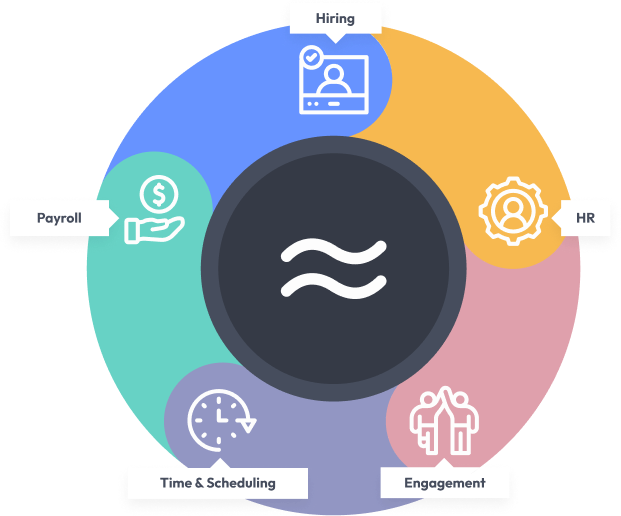

Hiring
Hire better quality workers, faster

HR
Streamline people processes and ensure employee records are always accurate

Engagement
Reduce turnover and increase worker engagement

Time & Scheduling
Manage schedules and hours worked to optimize your labor costs

Payroll
Pay your team quickly, easily, and accurately
resources
Become a hiring and onboarding expert.


Be smart with your hourly workforce
