



How to Hire Gardeners: Step-by-Step Guide for Small Businesses and Restaurant Owners
Learn how to hire gardeners for your small business with our step-by-step guide, including tips on recruitment, interviewing, and finding the best gardening talent for your needs.

How to Hire Gardeners: A Practical Guide for Small Businesses and Franchisees
Let’s face it—finding and keeping great gardening staff is a little like nurturing a tricky plant. You need patience, the right conditions, and a bit of know-how. Whether you run a landscaping company, manage a restaurant with a patio, or own a property that needs regular care, knowing how to hire gardeners and build a reliable landscaping crew can make or break your business’s curb appeal—and your bottom line.
Getting Started: Why Hiring the Right Gardeners Matters
Honestly, hiring isn’t just about filling a spot. It’s about finding people who care about the details, show up on time, and take pride in their work. If you’ve ever had a garden wilt because of a missed watering or a crew that didn’t show, you know what I mean. High turnover in the landscaping world is all too common, and it’s expensive, too. According to industry research, losing a front-line worker can cost thousands in lost productivity and retraining.
But here’s the thing: investing in a solid hiring process pays off. Not only does it help you recruit garden workers who stick around, but it also boosts morale and keeps your business running smoothly—no more scrambling to cover shifts or fix mistakes.
What Makes a Great Gardener?
- Reliability—rain or shine, your team needs to show up.
- Attention to detail—pruning, planting, and weeding all require a careful eye.
- Physical stamina—let’s not sugarcoat it, gardening is hard work.
- Communication skills—especially if your crew interacts with customers or other staff.
For more on what makes employees tick, check out these five traits of committed workers.
Where to Find and Recruit Garden Workers
So, where do you start? Posting a “Help Wanted” sign on the fence might work for some, but most businesses need a more strategic approach. Here’s what works:
Online Job Boards and Social Media
- Platforms like Indeed and Instagram can help you reach a wide pool of candidates.
- Don’t overlook local Facebook groups or community boards—sometimes the best hires are right in your backyard.
For creative job posting ideas, see these tips to make your job ad stand out and examples of recruitment ads that catch attention.
Employee Referrals and Networking
- Your current team is often your best source for new hires. Encourage referrals and offer small incentives.
- Connect with local horticulture schools or community colleges—students are often eager for hands-on experience.
Learn more about designing effective referral programs for hourly roles.
Screening and Interviewing
Once the applications start rolling in, it’s time to separate the wheat from the chaff. Use clear, structured interviews that focus on practical skills and cultural fit. You might ask:
- “Describe a time you solved a tricky landscaping problem.”
- “How do you handle working outdoors in tough weather?”
For more on interview techniques, explore motivational interviewing and cultural fit questions.
Building and Managing Your Landscaping Crew
Once you hire landscaping crew members, the real work begins. Keeping your team engaged and reducing turnover is a bit like tending a perennial bed—you need to nurture it regularly. High turnover is a notorious challenge in the green industry, but it’s not inevitable.
Onboarding and Training
- Start with a clear, concise orientation. Use digital onboarding tools to save time and avoid paperwork headaches. (Honestly, who has time for more paperwork?)
- Set expectations early—what does a typical day look like? What are your quality standards?
For onboarding templates, see these resources and learn how onboarding impacts retention.
Scheduling and Communication
- Use digital scheduling tools to reduce confusion and last-minute callouts. A 24-hour schedule template can help keep everyone on the same page.
- Regular team meetings—short and sweet—help build camaraderie and address issues before they become problems.
For more on effective scheduling, check out this guide to time and attendance systems.
Retention: Keeping Your Gardening Staff Happy
Why do good people leave? Sometimes it’s pay, sometimes it’s a lack of recognition, or maybe they just don’t feel connected to the team. According to industry research and hospitality turnover studies, engagement and clear communication are key. Here are a few ways to keep your crew loyal:
- Offer fair wages and benefits—see how benefits impact retention.
- Recognize good work—sometimes a simple thank you or a small bonus goes a long way.
- Provide opportunities for growth, like training in new landscaping techniques or equipment.
If you’re curious about how other businesses retain staff, check out this story on low turnover rates and the true cost of turnover.
Compliance, Payroll, and Recordkeeping: Don’t Get Caught Off Guard
Now, here’s a quick reality check—hiring and managing a landscaping crew isn’t just about finding hard workers. You’ve got legal obligations, too. The Department of Labor requires you to keep accurate records of hours and pay. And if you’re paying folks under the table, you’re asking for trouble (and hefty fines).
Payroll for hourly staff can get complicated, especially with overtime and seasonal fluctuations. That’s where an all-in-one HR and payroll platform like Workstream can make a real difference. By automating payroll and compliance, you can save time, reduce errors, and avoid those “oops” moments that cost real money. Some businesses report saving up to $30,000 a year by consolidating HR tools—money better spent on growing your business, if you ask me.
For more on managing payroll and compliance, see this practical payroll guide and payroll cost guidelines.
Seasonal Hiring and Flexibility
Landscaping is often seasonal work. If you need to find landscapers for spring and summer, consider hiring part-time or temporary staff. Make sure you’re clear about expectations and any benefits eligibility—see this guide to part-time hours and benefits for more info.
Conclusion: Growing Your Business with the Right Team
Hiring and managing a great gardening staff isn’t rocket science, but it does require attention, empathy, and the right tools. By investing in clear processes, digital solutions, and a people-first approach, you’ll build a crew that sticks around and helps your business thrive—season after season.
If you’re ready to streamline your hiring and management process, Workstream’s hiring automation tools are designed for businesses just like yours. From automated screening to digital onboarding and payroll, you’ll spend less time on paperwork and more time growing your business—literally and figuratively.
Related Resources
- Discover traits of committed employees for your next hire
- Learn how creative job postings can attract better candidates
- Get onboarding right with these templates
- See how Workstream’s platform can help your business
- Explore part-time hours and benefits for seasonal staff
.svg)


All your important HR tasks under one roof
Today’s business owners and HR teams are overwhelmed with administrative tasks: manual processes and exports, duplicative data entry, and siloed information. Workstream centralizes and simplifies people tasks so you can move fast, reduce labor costs, and simplify operations—all in one place.
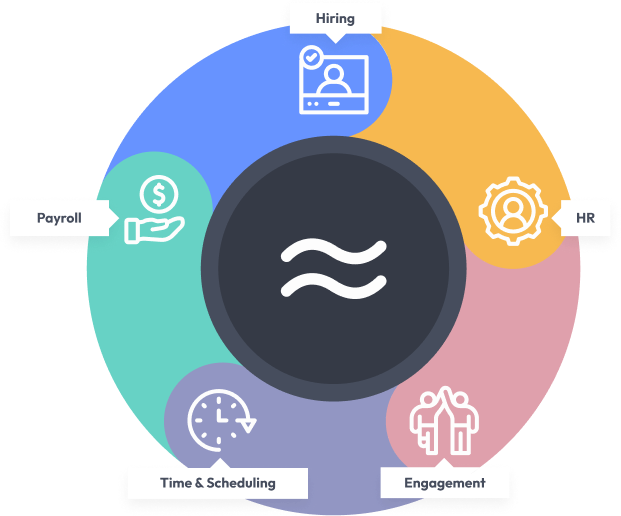

Hiring
Hire better quality workers, faster

HR
Streamline people processes and ensure employee records are always accurate

Engagement
Reduce turnover and increase worker engagement

Time & Scheduling
Manage schedules and hours worked to optimize your labor costs

Payroll
Pay your team quickly, easily, and accurately
resources
Become a hiring and onboarding expert.



Be smart with your hourly workforce
