



How to Hire Clinical Coordinators: Streamline Healthcare Coordinator Recruitment for Your Team
Streamline how you hire clinical coordinators with Workstream’s mobile-first platform—automate recruitment, onboarding, and compliance to build a stronger healthcare coordinator team faster.

How to Hire Clinical Coordinators: A Real-World Guide for Small Business Owners
If you ask me, the secret sauce to a thriving healthcare operation isn’t just about doctors or fancy equipment—it’s the folks who keep the wheels turning behind the scenes. Clinical coordinators are those unsung heroes, juggling compliance, patient flow, and staff schedules with the kind of grace you’d expect from a seasoned orchestra conductor. But how do you actually hire clinical coordinators who’ll stick around and make your life easier? Let me explain.
Why Clinical Coordinators Matter (and Why It’s So Hard to Find the Right One)
Let’s be honest: clinical coordinator recruitment is tougher than it looks. You’re not just searching for someone who can handle paperwork—you need a multitasker, a people-person, and a compliance wizard all rolled into one. The stakes are high, especially when you consider how employee turnover can cripple productivity and morale.
According to recent onboarding statistics, organizations that invest in thorough onboarding and clear role definition see higher retention rates and better performance. That means your approach to hire healthcare coordinator staff needs to be strategic from day one.
The Real Cost of Getting It Wrong
- Mis-hires drain resources—not just money, but time and team morale.
- Turnover costs for key roles like clinical coordinators can reach thousands per incident.
- Compliance slip-ups? Those can cost you upwards of $25K a year in lawsuits and fees—no exaggeration.
The Building Blocks: What Makes a Great Clinical Coordinator?
Here’s the thing: not every resume tells the full story. Sure, you want credentials and experience, but soft skills matter just as much. The best candidates for healthcare coordinator recruitment are those who can:
- Communicate clearly with patients, families, and multidisciplinary teams (see why communication matters)
- Stay organized even when chaos reigns—think flu season or sudden regulatory changes
- Adapt to new tech platforms (because digital scheduling and records are here to stay!)
- Demonstrate empathy without burning out (burnout is real)
Red Flags to Watch For
- Poor follow-through on references or background checks
- Lack of familiarity with compliance basics (wage and recordkeeping requirements)
- Resistance to learning new tools or workflows—especially mobile-first solutions like Workstream’s HR suite
Clinical Coordinator Recruitment: Step-by-Step (With a Few Tangents)
Step 1: Write a Job Description That Attracts (Not Repels)
Your job post is your handshake—make it count! Highlight growth opportunities, flexibility, and benefits. For inspiration, check out these job posting examples for hourly roles. Don’t forget to call out perks and culture—folks want to know what it’s really like to work for you (what makes employees happy?).
Step 2: Source Candidates Where They Actually Are
If you’re still relying on old-school job boards alone, you might be missing out. Social media recruiting is huge—just ask anyone who’s tried Instagram job postings for hourly workers. Tap into networks like Facebook groups or even local community boards. And don’t overlook internal referrals; sometimes your best future coordinator is already working in another department.
Step 3: Screen Smart (Not Hard)
No one has time for endless phone screens. Use digital applications with automated screening questions—platforms like Workstream’s hiring automation tools can save hours per week by filtering for must-have skills and certifications. If you want to get creative, try scenario-based questions or even short video intros.
Step 4: Interview for Fit AND Grit
This is where you separate the “good on paper” from the “great in person.” Ask about real-life situations—how did they handle a tough patient? What’s their approach to juggling conflicting priorities? For more inspiration, check out these cultural fit interview questions and motivational interviewing techniques.
Step 5: Onboard Like You Mean It
The first days on the job set the tone. A structured onboarding process—complete with digital forms, compliance checklists, and clear expectations—can cut ramp-up time dramatically. See how digital onboarding can make a difference in these onboarding templates for new hires.
The Compliance Angle: Don’t Get Caught Off Guard!
Disclaimer: Always consult your legal counsel regarding healthcare regulations in your state—rules change fast! But here’s what you should know:
- Accurate recordkeeping is non-negotiable
- Wage and hour laws apply to clinical coordinators too
- ADA accommodations may be required for certain roles
- Disability and leave management is complex—get help if you need it
The right HR tech can make compliance less of a headache. Platforms like Workstream’s integrated suite automate document collection, track certifications, and send reminders so nothing slips through the cracks.
Troubleshooting Common Pitfalls in Healthcare Coordinator Recruitment
Pitfall #1: Rushing the Process
I get it—you need someone yesterday. But skipping steps leads to higher turnover (here’s why turnover happens in hospitality—and healthcare isn’t so different). Take your time with reference checks and trial shifts if possible.
Pitfall #2: Ignoring Team Dynamics
A clinical coordinator doesn’t work in a vacuum. Involve frontline staff in interviews or shadow days. Want proof that teamwork matters? Check out these insights on improving labor and productivity through teamwork.
Pitfall #3: Underestimating Tech Skills
The days of paper charts are fading fast. Make sure candidates are comfortable with mobile scheduling apps, digital records, and messaging platforms (see how frontline communication tools boost engagement). If they balk at learning new tech, that’s a red flag.
Why Workstream Makes Sense for Hiring Clinical Coordinators (and Everyone Else)
You’re probably wondering—can technology really make this easier? Honestly, yes. With Workstream’s platform for healthcare hiring and management, small businesses have cut their time-to-hire by half and reduced turnover by as much as 50%. That means less stress for you—and more continuity for your patients.
- Automated screening and interview scheduling: Save three hours per week per location (learn more about hiring automation features here)
- Mobile onboarding: Get new hires up to speed in minutes instead of hours (about Workstream’s onboarding tools)
- Compliance reminders: Never miss a certification renewal again (platform features overview)
- Integrated payroll: Designed specifically for hourly healthcare staff (see all product resources here)
If you’re tired of switching between seven different tools (and paying for each one), consolidating with an all-in-one platform like Workstream could save you up to $30K a year. That’s not pocket change!
The Bottom Line: Hire Clinical Coordinators With Confidence (and Humanity)
No two clinics are alike, but every business owner wants less drama and more reliability from their staff. By taking a thoughtful approach to clinical coordinator recruitment—blending people skills with smart tech—you’ll build a team that sticks together through thick and thin. And hey, if you ever need help streamlining your hiring process or want tips from folks who’ve been there before, don’t hesitate to check out more resources from Workstream below.
.svg)


All your important HR tasks under one roof
Today’s business owners and HR teams are overwhelmed with administrative tasks: manual processes and exports, duplicative data entry, and siloed information. Workstream centralizes and simplifies people tasks so you can move fast, reduce labor costs, and simplify operations—all in one place.
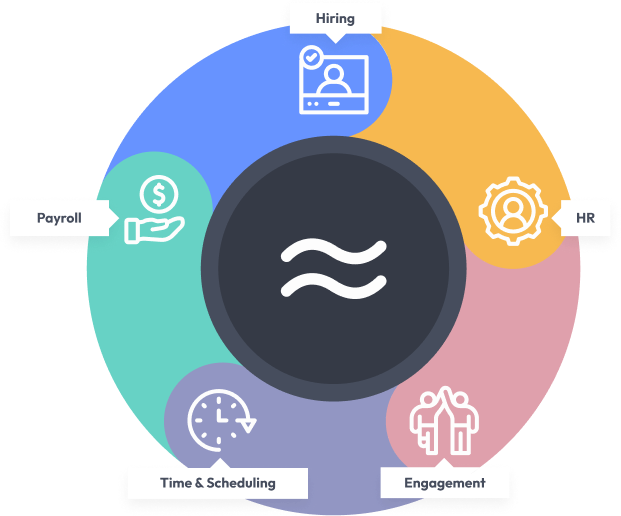

Hiring
Hire better quality workers, faster

HR
Streamline people processes and ensure employee records are always accurate

Engagement
Reduce turnover and increase worker engagement

Time & Scheduling
Manage schedules and hours worked to optimize your labor costs

Payroll
Pay your team quickly, easily, and accurately
resources
Become a hiring and onboarding expert.



Be smart with your hourly workforce
