



How to Hire Customer Services: Streamline Your Process for Better Customer Service Teams
Streamline how you hire customer services staff with Workstream’s mobile-first platform—automate recruiting, onboarding, and scheduling to build a stronger customer service team faster.

How to Hire Customer Services: Building a Winning Customer Service Team
If you ask me, hiring customer services staff is a bit like assembling a championship sports team—except instead of chasing trophies, you’re chasing delighted customers and five-star reviews. Whether you’re running a bustling restaurant, a busy retail shop, or a growing franchise, the way you recruit customer service talent shapes your brand’s reputation and bottom line. But let’s be honest: finding and keeping great customer service employees isn’t always a walk in the park. So, what’s the secret sauce?
Why Hiring Customer Service Staff Matters More Than Ever
The stakes are high. In industries where turnover can quietly drain profits and morale, smart hiring isn’t just about filling seats—it’s about building loyalty and trust. According to Michelin Guide’s analysis of restaurant turnover, the cost of losing a single front-line worker can reach thousands of dollars. Multiply that by a few departures, and you’re staring down a serious hit to your bottom line.
But here’s the thing—hire customer service pros who genuinely care, and you’ll see the difference in everything from online reviews to repeat business. It’s not just about answering phones or smiling at the counter; it’s about creating memorable experiences that keep folks coming back.
Turnover: The Hidden Cost Lurking in Your Business
High turnover rates are especially brutal in service industries. For example, Notch Financial highlights that losing just one hourly team member can cost nearly $6,000 in recruitment, training, and lost productivity. That’s before you even consider the impact on team morale or customer satisfaction.
So, how do you keep your customer service team stable and motivated? Start with smart hiring—and don’t forget to nurture your team once they’re on board. Harvard Business Review’s case study on fast-food retention proves that investing in people pays off big time.
The Step-by-Step Guide to Hiring Customer Service Employees
Let’s roll up our sleeves and get practical. Here’s how to recruit customer service rockstars without losing your mind—or your budget.
1. Define What “Great” Looks Like for Your Business
Every business has its own flavor. Maybe you need chatty extroverts for a diner or detail-oriented listeners for a pharmacy counter. Either way, start by crafting clear, compelling job descriptions. For inspiration, check out these job posting examples tailored for hourly workers.
- Highlight soft skills: Empathy, patience, and adaptability matter as much as technical know-how.
- Mention growth opportunities: Ambitious candidates want to know there’s room to move up.
- Be transparent about pay and perks: According to SHRM research, salary is the first thing most job seekers look for.
2. Source Candidates Where They’re Already Looking
If you’re still relying solely on word of mouth or “Help Wanted” signs taped to your window, you’re missing out. Digital platforms like Indeed or even Instagram can supercharge your reach—especially with younger job seekers.
- Learn how to use Instagram for recruiting hourly staff
- Explore digital recruiting strategies with Monster
- Discover top free job posting sites for small businesses
Honestly, sometimes the best candidates are already working at your competitor down the street—they just haven’t seen your offer yet!
3. Streamline Screening and Interviewing (Without Losing the Human Touch)
This is where technology shines. Automated screening tools can save hours each week—Workstream’s hiring automation platform trims time-to-hire by half and reduces interview no-shows by 55%. But don’t skip the personal connection: interviews should dig into real-world scenarios, not just “Tell me about yourself.”
- Master motivational interviewing techniques for better hiring decisions
- Ask cultural fit questions to find employees who mesh with your team
- Get tips on hiring and onboarding do's and don'ts
4. Onboard Like You Mean It (Because It Matters!)
The first days set the tone for everything that follows. A rushed or confusing onboarding process can send new hires running for the exit before they even clock their first shift.
- See onboarding statistics that reveal its impact on retention
- Understand why onboarding is more than just paperwork
- Use onboarding templates to create a welcoming experience
If you want to see onboarding done right, Workstream’s platform lets you handle digital paperwork, reminders, and compliance all from a phone—no more chasing signatures or losing track of forms.
Common Pitfalls When You Hire Customer Services (And How to Dodge Them)
No one likes learning lessons the hard way. Here are some classic mistakes—and how to avoid them:
- Ignoring soft skills: Technical skills can be taught; attitude can’t. Don’t overlook personality fit.
- Poor communication: Confused candidates drop out fast. Clear follow-up matters! For more on this, check out Axonify’s guide on retail communication issues.
- Lack of structure: If your process is chaotic, good candidates slip through the cracks. Consider centralizing everything with an all-in-one HR platform like Workstream.
- Neglecting legal compliance: Labor laws change constantly—especially around wages and scheduling. For official guidance, visit the U.S. Department of Labor’s recordkeeping page. (Disclaimer: This article is not legal advice—always consult your attorney for compliance questions!)
A Few Extra Nuggets: Trends and Tools Shaping Customer Service Hiring Today
The world of work is changing fast—AI-driven screening, instant pay access, and flexible scheduling are quickly becoming must-haves rather than nice-to-haves.
- Learn why hourly workers crave flexibility and meaningful work
- Explore how instant pay access boosts retention for customer service staff
- See how schedule control improves engagement and reduces turnover
- Read about reducing turnover with better employee retention strategies
- Get insights on the real cost of employee turnover in restaurants
- Understand why high turnover costs more than you think
- Calculate the true cost of every new hire
- See national staffing industry statistics for context
- Discover how benefits impact recruitment and retention in hospitality
- Find out what actually makes employees happy at work
Conclusion: The Future of Customer Service Teams Is Bright (If You Hire Smart)
If there’s one thing I’ve learned covering small business trends—it’s that people make or break your brand. When you hire customer services staff who truly care, you build a team that turns first-time customers into loyal fans. And with tools like Workstream’s hiring automation suite, even small teams can compete with the big dogs—saving time, cutting costs, and keeping compliance headaches at bay.
The road to building an all-star customer service team isn’t always smooth—but it sure is worth it. Ready to level up? Start by rethinking how you recruit customer service talent today, and watch your business thrive tomorrow.
Want More Insights?
.svg)


All your important HR tasks under one roof
Today’s business owners and HR teams are overwhelmed with administrative tasks: manual processes and exports, duplicative data entry, and siloed information. Workstream centralizes and simplifies people tasks so you can move fast, reduce labor costs, and simplify operations—all in one place.
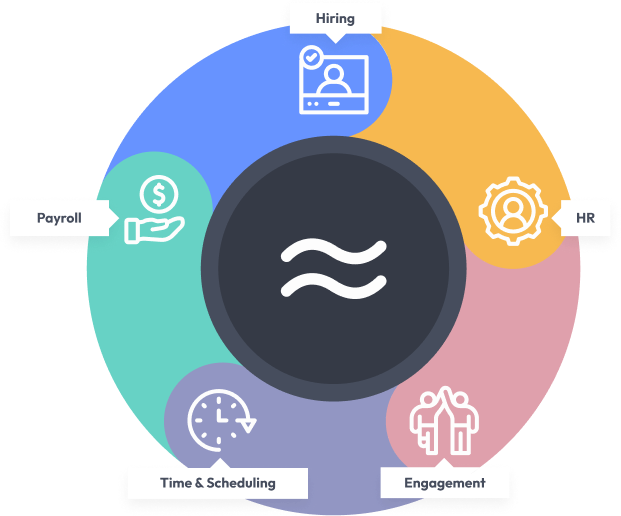

Hiring
Hire better quality workers, faster

HR
Streamline people processes and ensure employee records are always accurate

Engagement
Reduce turnover and increase worker engagement

Time & Scheduling
Manage schedules and hours worked to optimize your labor costs

Payroll
Pay your team quickly, easily, and accurately
resources
Become a hiring and onboarding expert.



Be smart with your hourly workforce
