



How to Hire Packers: Step-by-Step Guide for Small Businesses to Hire Packers the Right Way
Discover effective strategies to hire packers, streamline your hiring process, and build a reliable team for your small business’s packaging and shipping needs.

How to Hire Packers: The Practical Guide for Small Business Owners
Let’s be honest—if you run a business that ships products, you know the unsung heroes are your packers. Whether you’re looking to hire packers for the first time or just want to fine-tune your process, getting the right people on your packing team can make or break your operation. And if you ask me, it’s not just about finding warm bodies to fill a shift. It’s about building a reliable crew that keeps your customers happy and your costs in check. So, how do you do it without losing your mind or your margins? Let’s break it down.
Why Hiring the Right Packers Matters (More Than You Think)
Some folks think packing is a simple gig—just toss things in a box and tape it up, right? Not quite. The reality is, high turnover among warehouse packers can cost you way more than you expect, both in dollars and in headaches. According to industry research, replacing a single front-line employee can set you back nearly $6,000. Imagine doing that a few times a year! That’s why getting the right people in the door—and keeping them—is so important.
Plus, let’s not forget, a great packing team helps prevent costly shipping mistakes, reduces returns, and keeps your reputation spotless. If you’re in the restaurant or retail game, you already know that turnover is a constant battle. The same goes for warehouses. So, what’s the secret sauce?
Building a Winning Strategy to Hire Packers
Define What Makes a Great Packer
Before you even post a job ad, get clear on what you want. Do you need folks who can move fast, lift heavy boxes, or pay attention to tiny details? Maybe all three. A solid employee handbook—even for warehouse staff—can set expectations and reduce confusion down the line.
- Physical stamina and reliability
- Attention to detail (nobody wants the wrong item shipped!)
- Teamwork and communication skills
- Ability to follow safety protocols
Honestly, a little personality goes a long way too. Someone who takes pride in their work will naturally help you recruit packing team members who care about your business.
Write Job Ads That Attract the Right Candidates
Here’s the thing: generic job ads attract generic candidates. Be specific. Mention pay, benefits, and growth opportunities. According to Workstream’s guide on job descriptions, highlighting perks and flexibility can make your ad stand out. And don’t forget to call out what makes your business a great place to work. People want to feel valued, not just used.
If you need inspiration, check out these job posting examples tailored for hourly workers.
Source Candidates Where They Actually Hang Out
Let’s face it, your next great warehouse packer probably isn’t scouring LinkedIn all day. Instead, try:
- Indeed, Craigslist, and other job boards focused on hourly work
- Local Facebook groups—yes, really! Many restaurant and warehouse workers find jobs there
- Referrals from current employees (they usually know who’s reliable and who’s not)
For a deeper dive, explore digital recruiting strategies that actually work for hourly roles.
Screening, Interviewing, and Onboarding: Don’t Skip the Details
Screening for Skills and Attitude
It’s tempting to just hire anyone who shows up, but that’s a recipe for churn. Use smart screening questions to weed out folks who aren’t a fit. Consider assessments like those suggested by eSkill’s pre-employment tests to check for basic math, attention to detail, or even physical ability if it’s a big part of the job.
And don’t underestimate the power of a good interview. Ask about past experience, but also about how they handle repetitive work or tight deadlines. For tips, see motivational interviewing techniques and cultural fit questions that go beyond the basics.
Onboarding That Actually Works
Once you’ve chosen your packing team members, make their first days count. A strong onboarding process reduces confusion and helps new hires hit the ground running. According to Forbes onboarding advice, a good onboarding program can boost retention and productivity. For practical templates, check out Workstream’s onboarding templates.
And if you’re tired of juggling paperwork, a mobile-first platform like Workstream streamlines digital onboarding, compliance, and even reminders—so nothing falls through the cracks.
Retaining Your Warehouse Packers and Building a Strong Team
Why Retention is the Real Game Changer
Here’s a little secret: hiring is only half the battle. Keeping your warehouse packers happy is what saves you money and sanity. According to Harvard Business Review, turnover among hourly workers can cost up to 200% of their annual salary. Ouch.
So, what keeps people around? Fair pay, a sense of belonging, and a clear path to advancement. Consider offering benefits—even small ones. This DoorDash report shows how benefits can help you attract and retain top talent, even in competitive industries.
Team Engagement and Communication
No one wants to feel like a cog in a machine. Regular check-ins, clear communication, and recognition for a job well done go a long way. For tips on boosting engagement, see these strategies for hourly workers and what makes employees happy in similar industries.
And don’t forget about scheduling. Unpredictable shifts are a major reason people quit. Using a smart scheduling tool—like the one from Workstream—can help you avoid last-minute callouts and keep your team happier.
Common Pitfalls and How to Dodge Them
Even seasoned pros make mistakes. Here are a few to watch for:
- Ignoring compliance: Make sure you’re following all wage and hour laws. The Department of Labor has a handy guide.
- Rushing the process: Fast hiring can lead to fast turnover. Take the time to screen and onboard properly.
- Neglecting feedback: Ask your team what’s working and what’s not. Sometimes, the best ideas come from the people on the floor.
- Overlooking technology: Manual scheduling and onboarding eat up time. Platforms like Workstream can save you hours every week—and reduce errors.
Conclusion: The Smart Way to Hire Packers and Build a Top-Notch Team
If you’re looking to hire warehouse staff or recruit packing team members, remember: it’s not just about filling shifts. It’s about building a team that supports your business goals and keeps your customers coming back. Take the time to define what you need, write compelling job ads, use the right screening tools, and invest in onboarding and retention. And if you want to make your life easier, consider a platform like Workstream to handle the heavy lifting—so you can focus on growing your business, not just running it.
Want to Learn More?
- Explore tips for hiring hourly workers in fast-paced environments
- See how committed employees can transform your team
- Discover how to highlight benefits in your job postings
- Read about reducing turnover and improving retention
- Check out onboarding templates for new hires
.svg)


All your important HR tasks under one roof
Today’s business owners and HR teams are overwhelmed with administrative tasks: manual processes and exports, duplicative data entry, and siloed information. Workstream centralizes and simplifies people tasks so you can move fast, reduce labor costs, and simplify operations—all in one place.
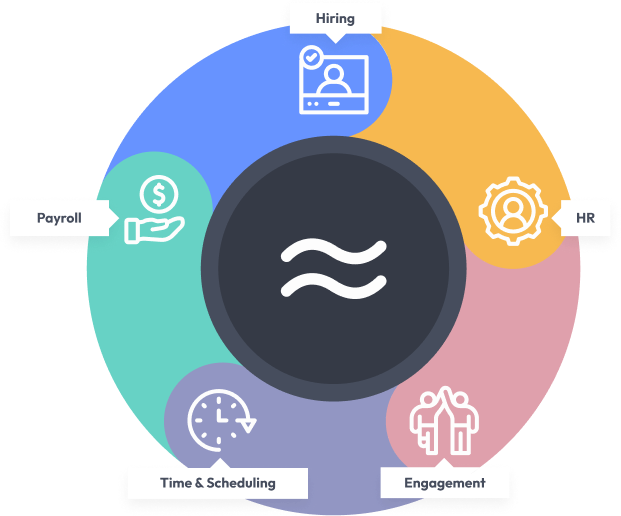

Hiring
Hire better quality workers, faster

HR
Streamline people processes and ensure employee records are always accurate

Engagement
Reduce turnover and increase worker engagement

Time & Scheduling
Manage schedules and hours worked to optimize your labor costs

Payroll
Pay your team quickly, easily, and accurately
resources
Become a hiring and onboarding expert.


Be smart with your hourly workforce
