



How to Hire Plumbers: Proven Strategies to Find and Recruit Top Plumbing Professionals
Discover the best strategies to hire plumbers, streamline your recruitment process, and attract skilled plumbing professionals to build a reliable team for your business.

How to Hire Plumbers: A Practical Guide for Building a Reliable Plumbing Team
When you need to hire plumbers, it’s not just about finding someone who can fix a leaky faucet. It’s about bringing on the right people who’ll keep your business humming, your customers happy, and your stress levels (mostly) in check. Whether you’re a seasoned franchise owner or just starting your plumbing business, getting plumber recruitment right can make or break your operation. Let’s break down what matters most, what to watch out for, and how modern tools like Workstream’s hiring automation can help you build a plumbing team you can count on.
Why Hiring the Right Plumbers Matters
The Real Cost of a Bad Hire
Honestly, hiring the wrong plumber isn’t just a headache—it’s expensive. According to industry research, the true cost of a bad hire goes far beyond lost wages. It can mean dissatisfied customers, repeat call-backs, and even damage to your brand reputation. And let’s be real, in the plumbing world, word-of-mouth travels faster than a burst pipe.
Turnover: The Hidden Drain on Your Bottom Line
High turnover in the trades is a notorious problem. Studies in related industries show that losing a frontline worker can cost thousands in recruitment, training, and lost productivity. For plumbing businesses, those numbers sting even more when you’re already stretched thin during busy seasons.
Building a Winning Plumber Recruitment Process
Crafting the Right Job Description
First things first—your job posting needs to stand out. Skip the jargon and focus on what matters: skills, certifications, and a bit of your company’s personality. For inspiration, check out these job posting examples designed for hourly workers. Highlight growth opportunities, fair pay, and any unique perks. If you offer benefits or flexible schedules, call them out—these are huge for attracting top plumbing technicians, as benefits research shows.
Screening and Interviewing: Don’t Just Go with Your Gut
Sure, gut instinct matters, but structured interviews and skill assessments help you avoid costly mistakes. Use scenario-based questions to gauge problem-solving skills—something like, “How would you handle a customer who’s upset about a delayed repair?” For more on effective interviewing, see these motivational interviewing techniques and cultural fit interview questions.
Background Checks and Certifications
Plumbing is one field where credentials matter. Always verify licenses and check for any red flags in a candidate’s history. This isn’t just about compliance—it’s about protecting your business and your customers. For guidance on compliance and recordkeeping, visit the U.S. Department of Labor’s wage recordkeeping page.
Onboarding and Retaining Your Plumbing Workforce
Streamlining Onboarding
Let’s face it, paperwork can be a killer. A digital, mobile-friendly onboarding process saves time and reduces errors. Workstream’s onboarding templates help you get new hires up to speed in minutes, not hours. The faster your new plumbing service staff are ready to work, the sooner they’re adding value to your business.
Retention: Keeping Plumbers Happy and Productive
It’s not all about pay—though competitive wages help. Turnover studies show that clear communication, recognition, and opportunities for advancement are key. Consider regular check-ins, offer training, and recognize achievements. For more on what keeps employees engaged, see this Harvard Business Review article on engagement and turnover cost analysis.
Scheduling and Flexibility
Plumbing emergencies don’t wait for business hours. That’s why smart scheduling is crucial. Automated scheduling tools, like those in Workstream’s platform, help you avoid overstaffing, understaffing, and burnout. And if you’re curious how tech can give employees more control, check out this story about schedule flexibility at major brands.
Common Pitfalls (And How to Dodge Them)
- Rushing the Hire: When you’re slammed with jobs, it’s tempting to hire the first warm body. But a rushed hire often leads to bigger headaches down the road. Take a breath, use structured processes, and lean on automation tools to speed up without sacrificing quality.
- Ignoring Cultural Fit: Skills are great, but if your new plumber can’t work as part of your team, you’ll feel it in morale and productivity. Use cultural fit questions to find candidates who mesh well.
- Neglecting Retention: Don’t assume your plumbers will stick around just because you pay well. Regular feedback, recognition, and clear career paths are essential. Learn more about reducing turnover in high-churn industries.
Legal and Compliance Details
Plumbing businesses must keep accurate records of hours, pay, and certifications. For a rundown of what’s required, see the Department of Labor’s guidelines. And if you’re ever unsure, it’s wise to consult a legal expert—better safe than sorry!
Modern Plumbing Workforce Solutions: Why Tech Matters
Automation and Mobile-First Tools
Let’s be honest—manual paperwork and endless phone calls are a drag. Platforms like Workstream automate hiring, onboarding, scheduling, and payroll, all from your phone. This means less time shuffling papers and more time focusing on your customers and team. Plus, with features like automated interview scheduling and digital document storage, you can cut your time-to-hire in half and reduce costly mistakes.
Data-Driven Hiring Decisions
Want to know if your hiring process is working? Use data! Recruitment marketing benchmarks and industry statistics help you spot trends, set realistic goals, and make smarter decisions about your plumbing workforce solutions.
Benefits and Perks: The Secret Sauce
Offering benefits—even basic ones—can set you apart. According to DoorDash’s research, benefits are a major factor in attracting and retaining talent. If you’re not sure where to start, here are tips for highlighting benefits in job descriptions.
Conclusion: Building the Plumbing Team You Deserve
If you ask me, hiring plumbers is part science, part art, and a little bit of luck. But with a structured process, the right tech, and a focus on retention, you can build a team that keeps your business flowing smoothly. Remember, every great plumbing business is built on the backs of great plumbers—and it all starts with how you hire, onboard, and support them. If you’re ready to save time, reduce turnover, and focus on what matters, check out Workstream’s platform for a smarter way to manage your plumbing workforce.
Related Resources from Workstream
- Learn more about hiring automation for hourly businesses
- Explore onboarding templates for a smooth start
- Check out tips for calling out benefits in your job postings
- Discover Workstream’s full HR and payroll suite
- Contact the Workstream team for more information
.svg)


All your important HR tasks under one roof
Today’s business owners and HR teams are overwhelmed with administrative tasks: manual processes and exports, duplicative data entry, and siloed information. Workstream centralizes and simplifies people tasks so you can move fast, reduce labor costs, and simplify operations—all in one place.
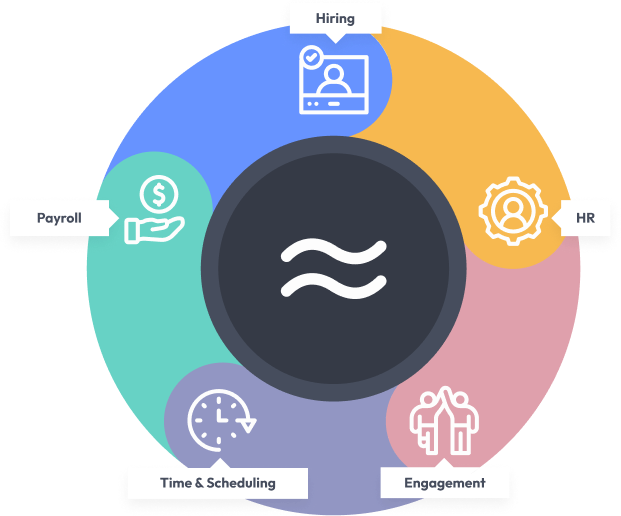

Hiring
Hire better quality workers, faster

HR
Streamline people processes and ensure employee records are always accurate

Engagement
Reduce turnover and increase worker engagement

Time & Scheduling
Manage schedules and hours worked to optimize your labor costs

Payroll
Pay your team quickly, easily, and accurately
resources
Become a hiring and onboarding expert.


Be smart with your hourly workforce
