



How to Hire Writers: Step-by-Step Guide for Small Business Success
Discover the best strategies to hire writers for your small business. Learn essential tips, interview questions, and onboarding steps to find skilled writers who match your needs.

How to Hire Writers: A Practical Guide for Small Businesses
Let’s be real—if you want your business to stand out online, you need great writing. Whether you’re looking to hire writers for your restaurant’s website, recruit blog writers for your franchise, or find freelance writers to keep your social media buzzing, the right words can make all the difference. But how do you actually go about content writer recruitment without getting lost in the weeds? Grab a cup of coffee, and let’s talk through it.
Why Great Writers Matter (and Why It’s Hard to Find Them)
Ever read a blog post that made you want to keep scrolling? Or a menu description that made your mouth water? That’s the magic of skilled writers. In the restaurant and franchise world, clear, engaging content can boost your brand, attract new customers, and even help you recruit top talent. But here’s the rub: the market is flooded with applicants, and not all writers are created equal.
According to a recent study on turnover in hospitality, high employee turnover isn’t just a kitchen problem—it’s true for creative roles, too. The right content can help you keep your audience engaged, but hiring the wrong person? That’s like burning the bread before the dinner rush.
What Makes a Good Writer for Your Business?
- Industry Know-How: Writers who understand your business (restaurants, franchises, retail) can speak your language and connect with your customers.
- Adaptability: Can they write a snappy tweet, a detailed blog, and a heartfelt team memo? Flexibility is key.
- Reliability: Deadlines matter, especially when you’re running a tight ship.
- SEO Awareness: Good writers know how to weave in keywords like hire content writers and find freelance writers without making it sound forced.
Honestly, finding all these traits in one person can feel like searching for a needle in a haystack. But don’t worry—I’ve got some tips to help you get there.
Step-by-Step: How to Hire Writers Who Actually Deliver
1. Define What You Need (and Put It in Writing)
Before you start your search, get clear on what you’re looking for. Do you need someone to write weekly blog posts? Manage your email newsletter? Or maybe you want to refresh your job ads to attract new staff? Spell out the role, expectations, and must-have skills in your job description. For inspiration, check out these tips for writing effective handbooks—the principles apply to job postings, too.
2. Source Candidates Where Writers Hang Out
Posting on generic job boards is fine, but you’ll get better results if you go where writers are already looking for gigs. Consider:
- Specialized job boards for writers
- Industry-specific Facebook groups (restaurant owners, franchisees, etc.)
- Freelance platforms—just be sure to vet candidates carefully
And if you’re hiring for hourly or project-based roles, platforms like Workstream can help you hire content writers and manage the process from start to finish.
3. Screen and Test—Don’t Just Rely on Resumes
Resumes are a start, but writing samples are where the rubber meets the road. Ask candidates to submit:
- Links to published work (bonus if it’s in your industry)
- A short, paid test assignment (maybe a blog post or menu description)
For more on evaluating candidates, check out pre-employment assessment tools and interviewing techniques that help you spot the real deal.
4. Make the Offer and Onboard Smoothly
Once you’ve found your writer, move quickly—good talent gets snapped up fast. Use digital onboarding tools to get paperwork out of the way, and set clear expectations from day one. If you’re not sure how to streamline onboarding, these onboarding templates can help.
Common Pitfalls in Content Writer Recruitment (and How to Dodge Them)
Even seasoned business owners trip up when it comes to hiring writers. Here are a few traps to watch for:
- Vague Job Descriptions: If you’re not specific, you’ll get a flood of unqualified applicants. Use job description resources to get it right.
- Ignoring Cultural Fit: A writer who doesn’t “get” your brand or team vibe won’t last long. Use cultural fit interview questions to assess alignment.
- Skipping the Test Assignment: It’s tempting to hire based on a resume, but a real-world writing test is your best insurance policy.
- Not Checking References: A quick call can save you a world of headaches down the line.
And let’s not forget compliance—especially if you’re hiring freelancers or remote workers. Brush up on recordkeeping requirements to keep your business out of hot water.
How Workstream Can Make Writer Hiring Easier
Here’s the thing: juggling job postings, interviews, onboarding, and payroll can feel like herding cats—especially if you’re running a busy restaurant or franchise. That’s where an all-in-one platform like Workstream comes in. With mobile-first tools for hiring automation, digital onboarding, and even instant pay access, you can cut time-to-hire in half and reduce turnover by as much as 50%—seriously, that’s a game-changer for small businesses.
Plus, Workstream’s platform helps you manage compliance, schedule shifts, and keep your team engaged—all from your phone. No more chasing paperwork or playing phone tag with candidates. If you ask me, that’s time (and money) well saved.
Real-World Results: What the Data Says
Don’t just take my word for it. According to Modern Restaurant Management, high turnover can cost restaurants thousands per year. And a Harvard Business Review study found that better engagement and onboarding can dramatically improve retention. Platforms that automate hiring and onboarding—like Workstream—help you avoid these costly pitfalls.
Conclusion: The Write Way to Grow Your Business
Finding and hiring the right writers isn’t just about filling a seat—it’s about building your brand, connecting with your customers, and setting your business up for long-term success. With a clear plan, a little patience, and the right tools, you can hire writers who’ll help your business shine.
If you’re ready to make your next hire easier, check out how Workstream’s platform can help you streamline everything from onboarding to scheduling and payroll. And for more tips on recruiting hourly workers or crafting job postings that stand out, don’t miss the rest of our resources.
.svg)


All your important HR tasks under one roof
Today’s business owners and HR teams are overwhelmed with administrative tasks: manual processes and exports, duplicative data entry, and siloed information. Workstream centralizes and simplifies people tasks so you can move fast, reduce labor costs, and simplify operations—all in one place.
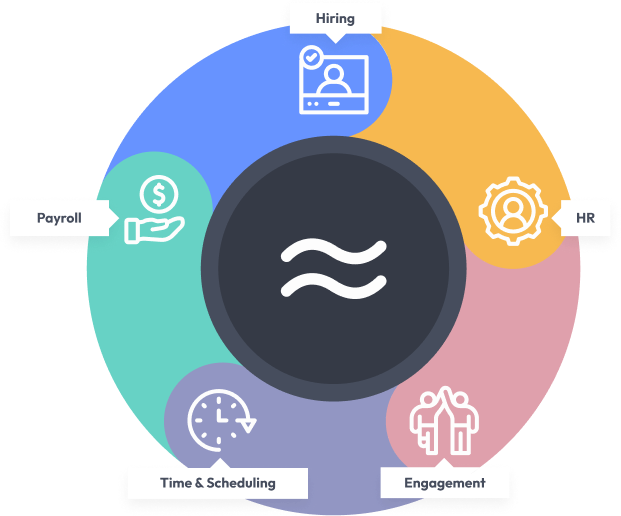

Hiring
Hire better quality workers, faster

HR
Streamline people processes and ensure employee records are always accurate

Engagement
Reduce turnover and increase worker engagement

Time & Scheduling
Manage schedules and hours worked to optimize your labor costs

Payroll
Pay your team quickly, easily, and accurately
resources
Become a hiring and onboarding expert.



Be smart with your hourly workforce
