



How to Hire Showroom Managers: Proven Strategies to Find, Recruit, and Retain Top Talent
Discover proven strategies to hire showroom managers, from crafting job descriptions to interviewing and onboarding, ensuring you find the best talent for your retail business.

How to Hire Showroom Managers: A Practical Guide for Retail Success
Let’s be honest—if you’re trying to hire showroom managers in retail, you’re probably feeling the pressure from every angle. With turnover rates still sky-high and customer expectations only climbing, finding the right person to lead your showroom isn’t just a checkbox; it’s the difference between thriving and barely scraping by. So, how do you find, recruit, and retain the best talent for this crucial role? Let’s break it down, with some real talk and a few digressions that matter (because, honestly, who doesn’t appreciate a good tangent when it’s useful?).
Understanding the Role: What Makes a Great Showroom Manager?
Before you even post that job ad, it’s worth pausing to consider what separates a good showroom manager from a great one. Sure, retail management positions require operational know-how, but the best showroom leaders are part coach, part strategist, and part customer whisperer. They know how to motivate teams, manage inventory, and deliver memorable customer experiences that keep folks coming back.
According to 7 Qualities of a Great General Manager, top-performing managers blend business acumen with empathy and adaptability. They’re the kind of people who can spot a merchandising issue from across the floor and have a knack for turning a tough day into a team win. If you ask me, that’s gold in retail.
Key Traits to Look For
- Leadership: Can they inspire and guide a team under pressure?
- Customer Focus: Do they genuinely care about the customer experience?
- Problem-Solving: Are they resourceful when things go sideways?
- Communication: Can they translate strategy into action for every associate?
- Adaptability: Retail changes fast—do they keep up?
For more on what makes retail managers tick, check out What Makes a Good Manager? and Defining Your Corporate Culture.
Building a Winning Job Description: Attracting the Right Candidates
Let’s not sugarcoat it—writing a job description for showroom managers is more than listing duties. It’s your first shot at attracting the right talent. If you want to find showroom managers who fit your brand and culture, you’ve got to be specific and a little creative.
Start by outlining the core responsibilities, but don’t forget to highlight growth opportunities, benefits, and your company’s unique vibe. According to these tips for employee handbooks, clarity and transparency in your expectations can make all the difference.
Tips for Crafting Compelling Job Ads
- Use clear, action-oriented language—ditch the corporate jargon when possible.
- Highlight perks and benefits that matter (think flexible scheduling or instant pay access).
- Be upfront about growth paths and training opportunities.
- Emphasize your commitment to employee well-being and development (see how benefits impact recruitment).
For inspiration, explore best job posting examples and creative recruitment ads.
Recruitment Strategies: Where and How to Find Showroom Managers
Now for the million-dollar question: Where do you actually recruit showroom supervisors who’ll stick around? If you’re only posting on the big job boards, you’re missing out. The best candidates might be working for your competitors, browsing industry groups, or even right under your nose in another department.
Modern Sourcing Channels
- Social Media: Platforms like Instagram and Facebook are goldmines for retail talent. Learn how to use Instagram for hiring hourly workers.
- Employee Referrals: Your current team knows who’s got the chops. Incentivize referrals and watch your talent pool grow.
- Industry Networks: Tap into retail associations and local business groups for leads.
- Recruitment Software: Tools like Workstream’s hiring automation can help you automate screening, schedule interviews, and move fast—because the best candidates don’t wait around.
Need more ideas? Check out proactive candidate sourcing and digital recruiting strategies.
Screening and Interviewing: Separating the Wheat from the Chaff
Once you’ve got a stack of resumes, it’s time to separate the real contenders from the rest. Structured interviews and behavioral questions are your best friends here. For example, ask about a time they turned around an underperforming team or handled a difficult customer. And don’t forget to assess cultural fit—sometimes, attitude trumps experience.
For more on interviewing, see motivational interviewing techniques and cultural fit interview questions.
Onboarding and Retention: Setting Up Your Managers (and Your Store) for Success
Here’s the thing—hiring is just the beginning. If you want your new showroom manager to thrive, you need a rock-solid onboarding process. According to employee onboarding statistics, effective onboarding can boost retention and productivity dramatically.
Workstream’s mobile-first onboarding tools make paperwork and training a breeze, reducing onboarding time from hours to minutes. That means your new manager can get out on the floor, meet the team, and start making an impact almost immediately.
Retention Matters—A Lot
Turnover is expensive. Employee turnover costs can eat into your bottom line faster than you might think. That’s why it pays to invest in engagement and development from day one. Regular check-ins, clear performance metrics, and ongoing training all help keep your managers motivated and loyal.
For more, explore how to improve engagement and retention and the real cost of turnover.
Compliance and Payroll: Don’t Get Caught Off Guard
Retail management positions come with a host of compliance requirements, from wage laws to recordkeeping. Make sure your HR platform supports accurate time tracking and payroll processing—mistakes here can be costly. For a quick refresher, see wage recordkeeping guidelines and payroll compliance in restaurants.
Common Pitfalls (and How to Avoid Them)
It’s easy to fall into a few traps when hiring showroom managers. Sometimes, you focus too much on experience and not enough on attitude or adaptability. Other times, you might rush the process and miss red flags. And let’s not forget the danger of neglecting onboarding—new managers who feel unsupported are more likely to leave.
For a deeper dive into turnover causes, check causes of turnover in hospitality and how high turnover affects the industry.
Conclusion: The Right Tools Make All the Difference
Hiring the right showroom manager isn’t just about filling a seat—it’s about setting your retail business up for long-term success. By focusing on clear job descriptions, smart sourcing, structured interviews, and robust onboarding, you’ll attract and keep the talent you need to thrive. And if you want to make the process smoother (and, honestly, who doesn’t?), platforms like Workstream offer integrated solutions for hiring, onboarding, scheduling, and payroll—built with hourly businesses in mind.
Still have questions or want to see how automation can help you hire showroom managers faster? Take a look at Workstream’s hiring automation or contact the Workstream team for a demo. Your next great showroom manager might be just a few clicks away.
Related Resources from Workstream
- Learn more about restaurant hiring and how to streamline your process.
- Explore tips for calling out benefits in job descriptions to attract top talent.
- Discover onboarding templates for a seamless start.
- Find out how work anniversaries can boost morale and retention.
- Get inspired by great general manager qualities to look for in your next hire.
.svg)


All your important HR tasks under one roof
Today’s business owners and HR teams are overwhelmed with administrative tasks: manual processes and exports, duplicative data entry, and siloed information. Workstream centralizes and simplifies people tasks so you can move fast, reduce labor costs, and simplify operations—all in one place.
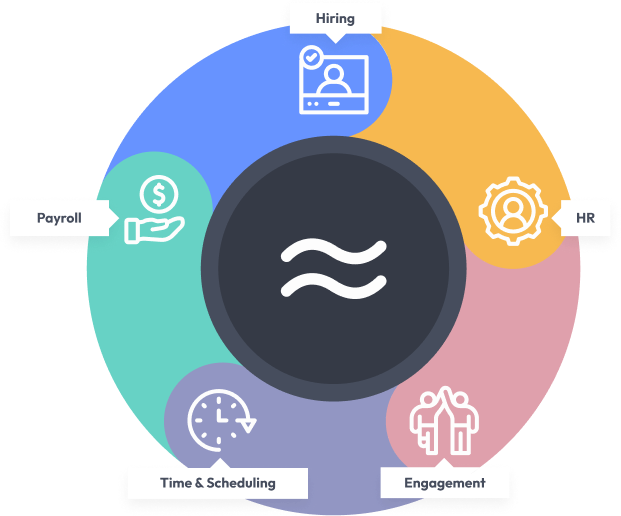

Hiring
Hire better quality workers, faster

HR
Streamline people processes and ensure employee records are always accurate

Engagement
Reduce turnover and increase worker engagement

Time & Scheduling
Manage schedules and hours worked to optimize your labor costs

Payroll
Pay your team quickly, easily, and accurately
resources
Become a hiring and onboarding expert.


Be smart with your hourly workforce
