



How to Hire School Nurses: Proven Strategies to Find, Attract, and Retain Top School Nurse Talent
Discover the best strategies to hire school nurses efficiently. Learn key steps, tips, and best practices for finding qualified nursing staff for your school.

How to Hire School Nurses: A Practical Guide for School Leaders
Let’s be honest—trying to hire school nurses these days can feel like searching for a needle in a haystack. With health needs in schools on the rise and the talent pool feeling a bit shallow, school administrators need a game plan that’s both strategic and, frankly, a little creative. So, how do you not just find school nurse candidates, but actually attract and keep the best ones? Let’s dig in, wander a bit, and get you the answers you need.
Why School Nurse Recruitment Is So Tough (and What’s at Stake)
The Demand Is Real
First off, you’re not alone if you feel like turnover is your constant companion. According to recent research, high turnover isn’t just a restaurant problem—it’s everywhere, including schools. The pandemic didn’t help, either. More students need medical support, but fewer nurses are available or willing to take on the challenge.
The Cost of Getting It Wrong
Here’s the thing: hiring the wrong nurse (or not hiring at all) can cost your district big time. Not just in dollars, but in student well-being and compliance headaches. According to industry estimates, replacing a single healthcare worker can run thousands of dollars, not to mention the stress on your existing staff. And don’t forget—school nurse staffing isn’t just about filling a seat. It’s about finding someone who can connect with kids, manage emergencies, and keep your school compliant with state and federal laws. No pressure, right?
Where and How to Find School Nurse Candidates
Get Specific With Job Descriptions
Before you post that job, make sure your description is crystal clear. Highlight the unique perks of working in your district, the support you provide, and the impact nurses have on your community. For inspiration, check out these job posting examples and tips for writing effective handbooks—yes, even restaurant guides can spark ideas for schools.
Expand Your Search Channels
- Professional Networks: Tap into school nurse associations and local nursing schools.
- Online Job Boards: Use platforms that specialize in healthcare and education roles. Don’t overlook social media—posting on Facebook groups or even Instagram can help you reach younger candidates. Here’s a guide to hiring on Instagram that’s surprisingly relevant.
- Community Outreach: Partner with local hospitals and clinics. Sometimes, the best candidates are already nearby, just waiting for the right opportunity.
And if you’re feeling stuck, check out these free job posting sites to broaden your reach without breaking the budget.
Screening, Interviewing, and Making the Offer
Screen for More Than Just Credentials
Sure, licenses and certifications matter. But don’t overlook soft skills—empathy, communication, and the ability to stay calm under pressure are essential. Use motivational interviewing techniques and cultural fit interview questions to see how candidates handle real-life scenarios.
Streamline the Process with Technology
If you ask me, there’s no reason to drown in paperwork or endless email chains. Platforms like Workstream can automate interview scheduling, document collection, and even background checks. It’s a game-changer for busy school offices—saving you time, reducing errors, and keeping everything compliant. Plus, automation means you can move fast and snag top talent before someone else does.
Make Your Offer Stand Out
Compensation matters, but so do benefits and work-life balance. According to DoorDash’s research, offering benefits can dramatically improve recruitment and retention, even in industries with high turnover. Highlight your school’s perks—flexible schedules, professional development, supportive culture. If you’re not sure what to include, these tips for calling out benefits can help.
Retention: Keeping School Nurses Happy and Engaged
Onboarding and Support
Don’t just toss your new hire the keys and hope for the best. A structured onboarding process is key. Use onboarding templates to make sure every nurse feels welcomed and ready to hit the ground running. Remember, a rocky start can lead to quick exits—something you definitely want to avoid.
Foster Engagement and Growth
Engaged employees stick around. Simple, right? But it’s easier said than done. According to Harvard Business Review, offering meaningful work, feedback, and growth opportunities is critical. Set SMART goals for your health office, celebrate milestones, and provide ongoing training. Even small gestures—like recognizing a nurse’s hard work—can make a big difference.
Watch for Burnout
Burnout is real, especially in healthcare. Regular check-ins, reasonable workloads, and access to mental health resources are non-negotiable. For more on this, Gallup’s insights on burnout causes are eye-opening.
Compliance, Legal Details, and Avoiding Pitfalls
Stay on the Right Side of the Law
School nurse recruitment comes with a web of compliance requirements—background checks, licensure verification, and proper recordkeeping. The Department of Labor’s recordkeeping guidelines are a must-read for anyone handling HR in schools. And if you’re ever in doubt, consult your district’s legal counsel. (Disclaimer: This article is for informational purposes only and does not constitute legal advice.)
Common Pitfalls to Avoid
- Dragging out the hiring process—good candidates get snapped up fast.
- Ignoring cultural fit—skills matter, but so does the ability to work with your team.
- Neglecting onboarding—don’t let your new hire feel lost on day one.
- Failing to offer competitive benefits—nurses have options, and they know it.
Wrapping Up: The Human Side of School Nurse Staffing
At the end of the day, hiring school nurses isn’t just about filling a role. It’s about building a healthier, safer school community. With the right approach, the right tools, and a little empathy, you can make your school a place where nurses want to work—and where students thrive. If you’re looking for a way to streamline your process and hire school nurses faster, consider exploring Workstream’s platform for hiring automation and HR management. It’s designed for busy teams like yours—so you can spend less time on paperwork and more time supporting your staff and students.
For more tips, check out these helpful resources:
.svg)


All your important HR tasks under one roof
Today’s business owners and HR teams are overwhelmed with administrative tasks: manual processes and exports, duplicative data entry, and siloed information. Workstream centralizes and simplifies people tasks so you can move fast, reduce labor costs, and simplify operations—all in one place.
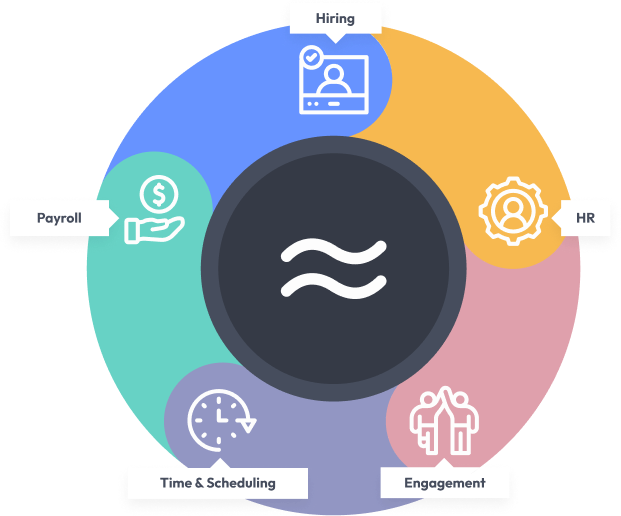

Hiring
Hire better quality workers, faster

HR
Streamline people processes and ensure employee records are always accurate

Engagement
Reduce turnover and increase worker engagement

Time & Scheduling
Manage schedules and hours worked to optimize your labor costs

Payroll
Pay your team quickly, easily, and accurately
resources
Become a hiring and onboarding expert.



Be smart with your hourly workforce
