



How to Hire Event Hosts: Step-by-Step Restaurant Guide to Hire Event Hosts Successfully
Discover the best strategies to hire event hosts for your restaurant. Learn key steps, tips, and best practices to find talented hosts who elevate your guest experience.

How to Hire Event Hosts: Your Practical Guide to Event Host Recruitment and Staffing
Let's be honest—finding the right person to represent your brand at an event can feel like searching for a needle in a haystack. Whether you’re running a bustling restaurant, a cozy café, or a local franchise, the need to hire event hosts who can connect with your guests and keep things running smoothly is more important than ever. But how do you actually go about hiring event hosts who fit your vibe and deliver results? Let’s walk through the nuts and bolts of event host recruitment, sprinkle in some real-world tips, and maybe even share a story or two along the way.
Why Event Hosts Matter (More Than You Think)
Picture this: you’ve spent weeks planning an event, but your host is a no-show or, worse, doesn’t engage the crowd. Not ideal, right? Event hosts are the face of your business during those crucial moments. They’re the ones who greet guests, manage the flow, and set the tone. A great host can turn a so-so gathering into a memorable experience, while a poor fit can leave guests feeling flat.
According to Modern Restaurant Management, employee happiness (and by extension, guest satisfaction) often hinges on the right personalities in visible roles. So, investing in the right talent is a no-brainer if you ask me.
The Cost of Getting It Wrong
High turnover isn’t just a headache; it’s expensive. Turnover can drain your bottom line faster than you’d expect. That’s why streamlining your event host hiring process is crucial—both for your budget and your sanity.
Building Your Event Host Recruitment Strategy
So, where do you start with event host recruitment? Well, like most things in business, it pays to have a plan. Here’s a tried-and-true approach, peppered with a few lessons learned from the field.
1. Define the Role (And Make It Shine)
- Start with a clear, engaging job description. For inspiration, check out these job posting examples that attract top hourly talent.
- Highlight must-have skills: communication, crowd control, and a knack for reading the room. If you’re not sure what to include, JAN’s guide to job descriptions is a handy resource.
- Don’t forget to call out perks and benefits. According to DoorDash’s research, benefits can be a game-changer in attracting and keeping top talent.
2. Source Talent Where They Are
- Social media is your friend—especially platforms like Instagram. Learn how to use Instagram to hire hourly workers and reach a younger, energetic crowd.
- Don’t overlook job boards or local community groups. For more ideas, see this roundup of free job posting sites.
- Employee referrals are gold. SHRM’s referral program toolkit offers practical advice on setting up a program that works.
3. Screen and Interview Like a Pro
- Use smart screening questions to filter out the best candidates. For tips, check out motivational interviewing techniques.
- Assess cultural fit—after all, your host should match your brand’s energy. Try these cultural fit interview questions to dig deeper.
- Don’t forget the STAR method for behavioral interviews. Here’s an ultimate STAR method guide to help you get started.
4. Onboard and Train for Success
- First impressions matter. Streamline your onboarding with these onboarding templates for a smooth start.
- Regular feedback and clear expectations keep new hires engaged. Effective training sessions can make all the difference.
- Consider digital tools to track progress and compliance—Workstream’s platform is designed for exactly this kind of hourly workforce management.
Common Pitfalls in Event Staffing (And How to Dodge Them)
Even seasoned pros can stumble when it comes to event staffing. Here are a few classic mistakes—and how to avoid them:
- Last-minute hiring: Scrambling for talent leads to poor matches. Plan ahead and build a talent pipeline with proactive sourcing strategies.
- Ignoring culture fit: Skills are important, but attitude is everything. This HBR article shows why hiring for attitude pays off.
- Poor onboarding: Tossing new hosts into the deep end rarely works. Invest in onboarding—here’s how to get onboarding right.
- Neglecting compliance: Keep your records straight. The Department of Labor’s recordkeeping guide is a must-read for anyone managing hourly staff.
Retention: The Secret Sauce
Hiring is only half the battle. Keeping your event hosts happy and motivated is where the magic happens. Studies like this one from HBR highlight the importance of engagement, especially for younger workers. Regular check-ins, flexible scheduling, and opportunities for growth can help reduce turnover—saving you time and money in the long run.
How Workstream Makes Event Host Hiring Easier
Alright, let’s connect the dots. If you’re tired of juggling spreadsheets, chasing down paperwork, or losing sleep over compliance, there’s a better way. Workstream’s all-in-one HR and payroll platform is built for businesses like yours. It automates everything from hiring automation and onboarding to scheduling and payroll—so you can focus on building a team that shines at every event.
With features like mobile-friendly applications, automated reminders, and digital document storage, Workstream helps you hire event staff quickly and efficiently. And with integrated compliance tools, you’ll stay on the right side of the law—no more late-night worries about missing paperwork or wage errors.
Real Results, Real Savings
- Reduce turnover by half and cut time-to-hire in half—giving you more time to focus on what matters.
- Save up to $25K a year on lawsuits and fees with built-in compliance features.
- Replace up to seven separate HR tools with one streamlined platform, slashing your HR tool costs by 50%.
- Stop overpaying and understaffing—Workstream’s scheduling tools help you save $10K per year per location.
Honestly, if you’re serious about event host hiring, it’s worth taking a closer look at how Workstream can help you build a reliable, engaged team—without the usual headaches.
Conclusion: Your Next Event Starts with the Right Host
At the end of the day, your event’s success hinges on the people you trust to run the show. By taking a thoughtful approach to event host recruitment—from writing a killer job post to onboarding with care—you’re setting your business up for smoother events and happier guests. And with tools like Workstream, you can make the process faster, easier, and a whole lot less stressful.
Ready to hire event hosts who’ll make your next event unforgettable? Start building your dream team today—and maybe enjoy a little peace of mind while you’re at it.
More Resources for Event Staffing Success
- Explore creative tips for job postings to stand out from the crowd.
- Check out tips for calling out benefits in your job descriptions to attract top talent.
- Learn about HRIS certification and how it can help your HR team grow.
- Discover how Five Guys scaled their team for rapid growth.
- See how McDonald’s keeps its franchisees profitable with smart hiring strategies.
.svg)


All your important HR tasks under one roof
Today’s business owners and HR teams are overwhelmed with administrative tasks: manual processes and exports, duplicative data entry, and siloed information. Workstream centralizes and simplifies people tasks so you can move fast, reduce labor costs, and simplify operations—all in one place.
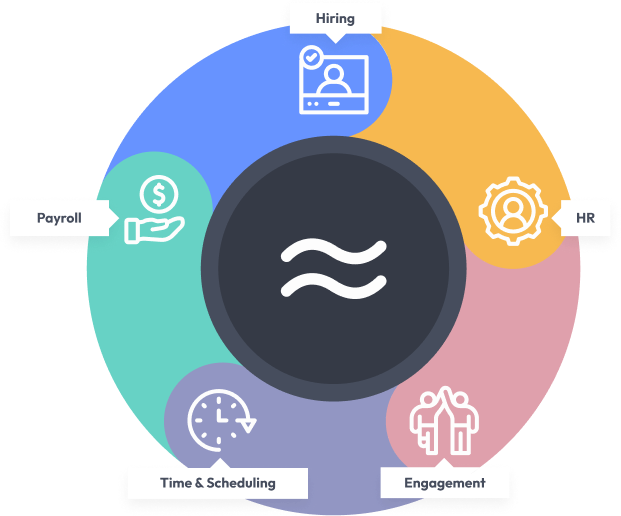

Hiring
Hire better quality workers, faster

HR
Streamline people processes and ensure employee records are always accurate

Engagement
Reduce turnover and increase worker engagement

Time & Scheduling
Manage schedules and hours worked to optimize your labor costs

Payroll
Pay your team quickly, easily, and accurately
resources
Become a hiring and onboarding expert.

Be smart with your hourly workforce
