



How to Hire HVAC Service Technicians: Step-by-Step Tips to Find and Retain Top Talent
Learn proven strategies to hire HVAC service technicians quickly and efficiently, attract top talent, and build a skilled team for your restaurant’s maintenance needs.

How to Hire HVAC Service Technicians: A Practical Guide for Small Business Owners
If you’ve ever tried to hire HVAC service technicians in a tight labor market, you know it’s not exactly a walk in the park. The HVAC industry is booming, but finding reliable, skilled techs who’ll stick around? That’s a whole different ballgame. Whether you’re running a family-owned shop in the Midwest or managing a multi-location franchise, getting the right people on board—and keeping them—can make or break your business. Let’s get into the nuts and bolts of how to hire HVAC service technicians and build a team that keeps your customers cool (or toasty) and your business running smoothly.
Understanding the HVAC Hiring Landscape
Why Is It So Tough to Find HVAC Technicians?
Honestly, the shortage of skilled tradespeople isn’t just a headline—it’s reality. As industry turnover rates climb and older technicians retire, the pool of qualified candidates shrinks. According to staffing industry statistics, nearly every employer is feeling the pinch. Add in the need for certifications, customer service skills, and a strong work ethic, and suddenly, “good help is hard to find” isn’t just an old saying—it’s a daily headache.
But here’s the thing: businesses that modernize their approach to recruit hvac staff are seeing better results. Digital tools and platforms like Workstream streamline hiring, reduce time-to-hire by half, and cut turnover rates dramatically—sometimes by 50% or more. That’s not just talk; it’s a lifeline for small business owners who can’t afford to keep rehiring every few months.
What Makes a Great HVAC Service Professional?
- Technical certifications (EPA, NATE, or local requirements)
- Solid troubleshooting and diagnostic skills
- Strong communication and customer service abilities
- Reliability and a clean driving record
- Willingness to work flexible hours or emergency shifts
Finding someone who checks all those boxes can feel like searching for a needle in a haystack. But with the right strategy, it’s doable.
Smart Strategies to Find and Recruit HVAC Staff
Write Job Descriptions That Attract the Right Candidates
Let’s be real—most job ads sound the same. If you want to find hvac technicians who are a good fit, your job posting needs to stand out. Highlight growth opportunities, benefits, and any unique perks your business offers. For tips on crafting compelling job ads, check out these job posting examples and creative tips for job postings.
Don’t forget to mention things that matter to today’s workforce—like flexible scheduling, instant pay access, or training programs. According to research from DoorDash, benefits play a huge role in attracting and retaining hourly workers, even in industries like HVAC.
Use Digital Platforms and Social Media
Gone are the days when a “Help Wanted” sign in the window did the trick. Modern hiring platforms let you post jobs across multiple boards, screen applicants automatically, and even schedule interviews via text. If you haven’t tried using platforms like Indeed or even Instagram for hiring, you’re missing out on a huge pool of candidates.
And let’s not ignore referrals—your current team often knows other solid techs looking for work. A simple referral bonus can go a long way. For more on digital recruiting, check out these strategies and recruitment marketing benchmarks.
Streamline Screening and Onboarding
Time is money—especially in peak season. Automated screening tools, like those offered by Workstream, can save you three hours per week per location and reduce interview no-shows by over 50%. That’s not just a nice-to-have; it’s a game-changer for busy owners. For more on onboarding best practices, see onboarding tips and onboarding templates.
Retention: Keeping Your HVAC Service Professionals Happy
Why Do HVAC Technicians Leave?
High turnover is expensive—sometimes costing up to 200% of an employee’s annual salary, according to Harvard Business Review. Common reasons for leaving include lack of career growth, poor management, or burnout. If you ask me, sometimes it’s just about feeling valued and having a clear path forward.
To keep your team engaged, consider:
- Offering ongoing training and certification reimbursement (free training resources)
- Providing clear advancement opportunities
- Recognizing hard work and celebrating milestones (work anniversary ideas)
- Ensuring fair pay and benefits (hourly wage comparisons)
- Listening to employee feedback and acting on it (employee happiness survey)
Compliance and Legal Considerations
Don’t let paperwork trip you up. The Department of Labor requires accurate recordkeeping for all hourly employees (DOL guidelines). And with complex wage and hour laws, a missed step can cost you big—sometimes up to $25,000 a year in fines and lawsuits. Platforms like Workstream help automate compliance, so you spend less time on admin and more time growing your business.
Common Pitfalls and How to Avoid Them
Don’t Rush the Hiring Process
It’s tempting to hire the first warm body who walks through the door, especially when you’re short-staffed. But hiring the wrong person can cost you more in the long run. Take the time to screen for both technical skills and cultural fit. For interview tips, check out motivational interviewing techniques and cultural fit questions.
Don’t Ignore Scheduling Challenges
HVAC work isn’t always 9-to-5. If your techs are constantly juggling unpredictable shifts, burnout is just around the corner. Smart scheduling tools—like those in Workstream—can help you balance workloads, reduce overtime, and keep everyone happy. For more on effective scheduling, see this schedule template guide.
Don’t Underestimate the Power of Benefits
Even small businesses can offer creative perks—think flexible hours, wellness programs, or instant pay access. According to DoorDash’s research, benefits are a top driver for recruitment and retention, even in industries outside food service.
Conclusion: Building a Strong HVAC Team for the Long Haul
Hiring and retaining top-notch hvac service professionals isn’t easy, but it’s absolutely possible with the right approach. Write job ads that stand out, use digital tools to streamline the process, and focus on creating a workplace where people want to stay. The payoff? Lower turnover, happier customers, and a stronger bottom line. If you’re ready to modernize your hiring process, platforms like Workstream are designed to help small businesses like yours thrive—without breaking the bank or your sanity.
Want more resources? Check out these helpful guides on restaurant hiring tips, onboarding templates, employee recognition, leadership qualities, and reducing turnover. Here’s to building a team that lasts—and maybe even makes your job a little easier.
.svg)


All your important HR tasks under one roof
Today’s business owners and HR teams are overwhelmed with administrative tasks: manual processes and exports, duplicative data entry, and siloed information. Workstream centralizes and simplifies people tasks so you can move fast, reduce labor costs, and simplify operations—all in one place.
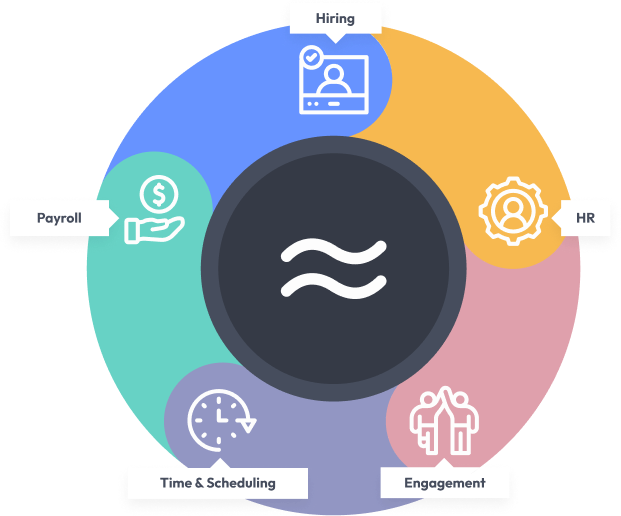

Hiring
Hire better quality workers, faster

HR
Streamline people processes and ensure employee records are always accurate

Engagement
Reduce turnover and increase worker engagement

Time & Scheduling
Manage schedules and hours worked to optimize your labor costs

Payroll
Pay your team quickly, easily, and accurately
resources
Become a hiring and onboarding expert.


Be smart with your hourly workforce
